





Oil Immersed Transformer vs Dry Type Transformer: Key Differences Explained
Time:2026-06-17 16:05:22 Author:zhongbei Click:190
Choosing between an oil immersed transformer and a dry type transformer is one of the most consequential decisions in industrial power system design. The selection affects not only first-cost budgeting but also fire safety compliance, maintenance expenditure over a 25–30 year lifecycle, environmental liability, and installation flexibility. This article provides a systematic comparison grounded in field experience and industry standards, enabling B2B procurement teams to make informed transformer technology decisions.
Fundamental Design Differences
The core distinction lies in the insulation and cooling medium:
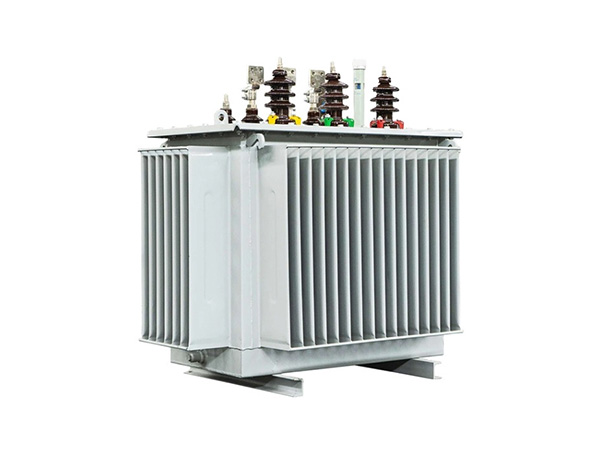
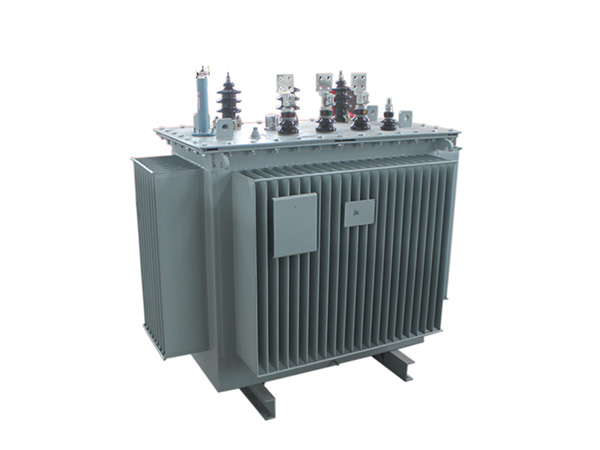
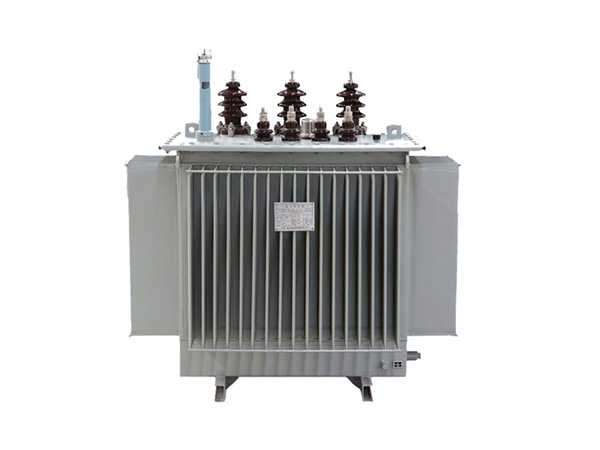
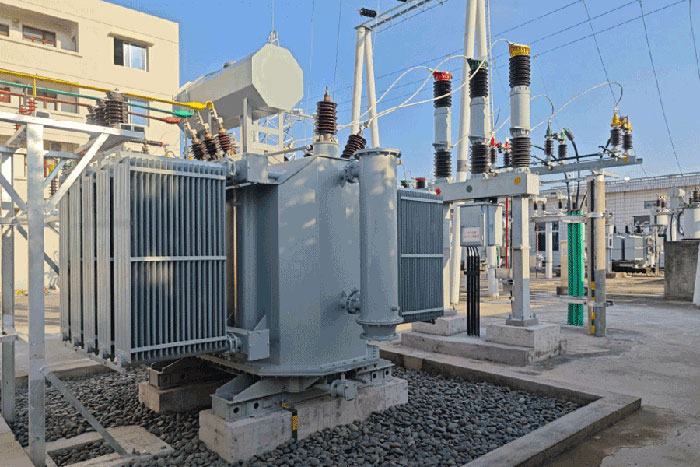
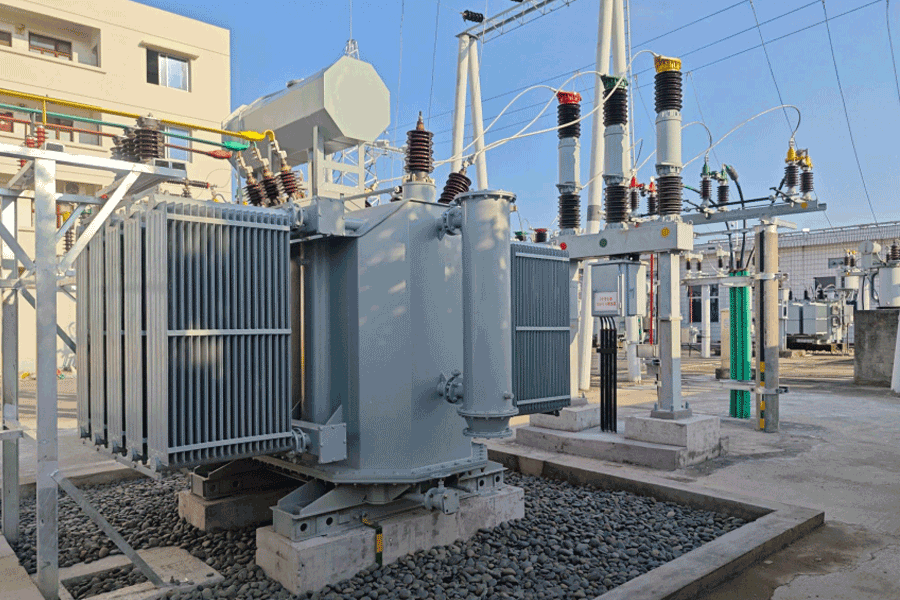
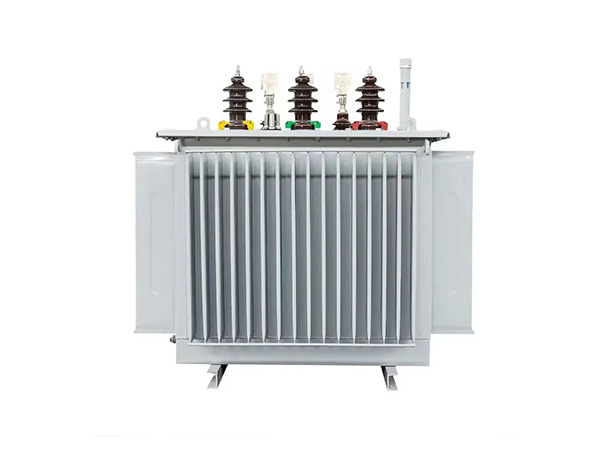
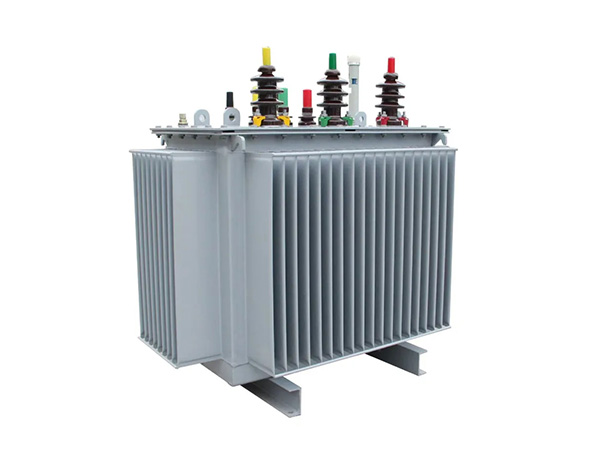
An oil immersed transformer submerges its core and windings in mineral oil (or synthetic ester fluid) contained within a steel tank. The oil serves dual functions—electrical insulation between windings and thermal convection cooling that transfers heat to external radiator banks.
A dry type transformer relies on solid insulation (epoxy resin for cast resin designs, or polyester/epoxy varnish for VPI designs) and air for cooling. No liquid medium is present; heat dissipates through natural convection or forced-air fans across exposed coil surfaces.
This fundamental difference cascades into every aspect of specification, installation, operation, and lifecycle management.
Safety and Fire Risk Comparison
Fire safety represents the single most decisive factor in many transformer selections:
Oil immersed transformer: Mineral oil has a flash point of approximately 150°C. Under fault conditions—particularly internal arcing—oil can ignite, producing a pool fire that spreads rapidly. Standards such as NFPA 70 and IEC 60076-1 mandate oil-filled installations in fire-rated vaults with automatic fire suppression, oil containment pits, and separation walls. The oil immersed transformer carries inherent fire risk that must be managed through costly civil and mechanical infrastructure.
Dry type transformer: Classified as self-extinguishing per IEC 60076-11. Cast resin encapsulation achieves F1 fire performance rating (lowest combustibility class), and VPI designs meet F2 rating. No fire-rated vault, oil containment, or suppression system is required. Insurance underwriters consistently assign lower fire risk premiums to dry type installations—a factor that should be quantified in any lifecycle cost comparison.
In environments where fire risk is non-negotiable—underground mines, offshore platforms, hospitals, high-rise buildings—the dry type transformer is often the only code-compliant option.
Thermal Performance and Overload Capacity
Cooling effectiveness directly determines loading capability:
Oil immersed transformer: Oil's specific heat capacity (≈2.1 kJ/kg·K) and convective flow within the tank provide efficient heat extraction. Standard ONAN cooling handles full rated load up to 40°C ambient; ONAF and OFAF configurations extend capacity by 25–50%. The oil immersed transformer also tolerates sustained overloads (130–150% for 1–2 hours under emergency conditions) due to the thermal buffer provided by the oil volume.
Dry type transformer: Air cooling is inherently less effective. AN (natural air) cooling requires larger coil surface areas, and AF (forced air) cooling adds fans that increase maintenance points. Derating at elevated ambient temperatures is more pronounced—a unit rated at 40°C ambient may lose 15–20% capacity at 50°C. Short-term overload tolerance is limited to approximately 130% for 30 minutes for cast resin designs.
For heavy industrial loads with frequent motor starting inrush or sustained peak demand, the oil immersed transformer provides superior thermal resilience.
Efficiency and Energy Loss Comparison
Both technologies achieve comparable efficiency at rated load when properly designed:
IEC 60076-20 Tier 2 efficiency requirements apply equally: 97.5% at full load for 1000 kVA, 98.8% for 2500 kVA.
The oil immersed transformer typically exhibits slightly lower no-load loss due to better core cooling allowing optimized core flux density, but the difference is marginal (1–3%) within the same rating and design class.
Amorphous core variants exist for both types, achieving 90%+ efficiency. However, amorphous dry type transformer designs face greater design challenges due to the core's mechanical fragility in cast resin encapsulation processes.
For B2B buyers focused on energy cost over lifecycle, the efficiency difference between the two technologies is rarely decisive—selection should prioritize application requirements over marginal efficiency variations.
Cost Analysis: First Cost vs Lifecycle Cost
Cost comparison must extend beyond purchase price:
First cost: The dry type transformer (cast resin) carries a 20–35% premium over an equivalent-rated oil immersed transformer. VPI designs narrow this gap to approximately 10–15%.
Installation cost: Oil-filled units require fire-rated vault construction, oil containment systems, drain piping, and fire suppression—adding 15–25% to civil works. Dry type units need only a ventilated room with standard cable entry. Net installation cost often equalizes or favors the dry type transformer.
Maintenance cost: Annual oil sampling, filtration, and degasification for an oil immersed transformer costs approximately $2,000–$4,000 per year for a 1000 kVA unit. Dry type maintenance costs average $500–$800 per year for equivalent inspection and testing. Over 25 years, this differential reaches $37,500–$80,000.
Insurance premium: Fire risk ratings for oil-filled installations typically add 10–20% to property insurance premiums compared to dry type installations in the same facility.
When total lifecycle cost is calculated—purchase + installation + maintenance + insurance + end-of-life disposal—the dry type transformer frequently achieves lower total expenditure despite its higher first cost.
Environmental and Regulatory Considerations
Regulatory trends increasingly favor dry type transformer adoption:
Oil contamination risk: An oil immersed transformer failure or leak can discharge hundreds of liters of mineral oil, triggering environmental remediation costs that exceed $50,000 per incident in documented cases. EU REACH regulation classifies mineral transformer oil as a substance of concern; reporting and spill prevention requirements add compliance overhead.
End-of-life disposal: Oil-filled units require hazardous waste disposal of the oil volume—typically 500–2000 liters depending on rating—at regulated facilities. Dry type units contain no hazardous fluids and can be recycled as standard electronic waste.
Carbon footprint: Synthetic ester fluids (e.g., MIDEL 7131) used in some oil immersed transformer designs are biodegradable and reduce environmental impact, but they add 30–50% to fluid cost and require compatible tank sealing materials.
Application-Specific Selection Guidance
Based on field experience across mining, manufacturing, and infrastructure sectors, the following selection matrix applies:
Choose oil immersed transformer when: Rating exceeds 10 MVA; installation is in an open outdoor substation with adequate fire containment; ambient temperatures regularly exceed 45°C; heavy cyclic overloading is expected; first-cost budget is constrained and lifecycle cost analysis is not mandated.
Choose dry type transformer when: Installation is indoors, underground, or in fire-sensitive structures; environmental permits restrict oil-filled equipment; maintenance staffing is limited; floor space is constrained; insurance and regulatory compliance costs favor fire-safe designs.
Consider hybrid approaches: Some facilities deploy oil immersed transformer units in dedicated outdoor substations for bulk power transformation, and dry type transformer units for indoor distribution within the facility—a pragmatic approach that leverages each technology's strengths.
Maintenance Requirements Comparison
Maintenance program scope differs significantly:
Oil immersed transformer: Annual oil dielectric and acidity testing; dissolved gas analysis (DGA) every 2–3 years; oil filtration or replacement at 5–8 year intervals; radiator and gasket inspection; conservator and silica gel breather maintenance; Buchholz relay testing.
Dry type transformer: Annual visual inspection for resin integrity and dust accumulation; biennial insulation resistance and partial discharge measurement; thermal imaging during peak load; ventilation system filter replacement for forced-air units.
The reduced maintenance scope for dry type units directly translates to lower skilled labor requirements—important for facilities in remote locations where specialized oil testing services are unavailable.
Frequently Asked Questions
Can an oil immersed transformer be retrofitted to a dry type unit in the same location?
Yes, in most cases. The dry type transformer typically has a smaller footprint, so physical space is rarely a constraint. However, you must verify that the ventilation capacity of the existing room supports the dry type unit's cooling requirements, and adjust protection settings for the different impedance characteristics.
Which transformer type has a longer service life?
Both types achieve 25–30 years under proper specification and maintenance. However, the oil immersed transformer service life is more dependent on rigorous oil maintenance—neglecting oil sampling and filtration can accelerate insulation degradation. The dry type transformer is more tolerant of maintenance gaps, though resin cracking in harsh environments remains a failure mode to monitor.
Are there rating ranges where one technology is clearly superior?
Below 3150 kVA, the dry type transformer is competitive on both cost and performance. Above 10 MVA, the oil immersed transformer dominates due to cooling efficiency and lower cost per kVA. Between 3150 kVA and 10 MVA, the choice depends heavily on site-specific factors—fire codes, ambient conditions, and lifecycle cost mandates.
What about synthetic ester-filled oil transformers as an alternative?
Synthetic ester fluids (e.g., MIDEL 7131) offer biodegradability and a higher flash point (~300°C), partially bridging the safety gap between oil immersed transformer and dry type transformer designs. However, ester-filled units still require containment systems, add significant fluid cost, and do not eliminate the oil maintenance regime entirely.
How do seismic requirements differ between the two types?
The dry type transformer has a lower center of gravity and no liquid sloshing dynamics, generally making it easier to qualify under IEEE 693 seismic standards. The oil immersed transformer requires analysis of oil inertia forces on the tank structure and bushings, adding complexity and cost to seismic qualification.
Conclusion
The comparison between oil immersed transformer and dry type transformer technologies is not a binary choice but a contextual decision driven by application requirements, regulatory environment, and lifecycle economics. The oil immersed transformer retains clear advantages in high-capacity applications, extreme ambient conditions, and budget-constrained outdoor installations where fire infrastructure already exists. The dry type transformer excels in safety-critical, environmentally sensitive, and maintenance-constrained scenarios—domains where its first-cost premium is consistently recovered through reduced installation, maintenance, insurance, and compliance expenditure. For procurement teams, the disciplined approach is to define your application's hard constraints first—fire code mandates, ambient profile, loading duty, space limitations—then evaluate each technology against those constraints using total lifecycle cost as the final arbiter.
References
IEC 60076-1:2019, "Power Transformers – Part 1: General," International Electrotechnical Commission.
IEC 60076-11:2018, "Power Transformers – Part 11: Dry-Type Transformers," International Electrotechnical Commission.
CIGRE Working Group A2.37, "Transformer Reliability Survey," Technical Brochure 542, 2015.
Kulkarni, S.V., & Khaparde, S.A., "Transformer Engineering: Design, Technology, and Diagnostics," CRC Press, 2012.
McShane, C.P., "Relative Properties of the New Insulation Fluids Compared to Mineral Oil," IEEE Transactions on Power Delivery, Vol. 16, No. 2, 2001.
MORE
-
Transformer Components Most Likely to Require Replacement
2026-07-24
-
Signs Your Transformer Oil Level Indicator Needs Replacement
2026-07-11
-
dry-type-transformers-for-commercial-buildings
2026-07-11
-
DIN Standard Porcelain Bushings: Features and Benefits
2026-07-11
-
Copper vs Aluminum Terminal Studs for Transformers
2026-07-11