





DIN Standard Porcelain Bushings: Features and Benefits
Time:2026-07-11 15:24:14 Author:zhongbei Click:112
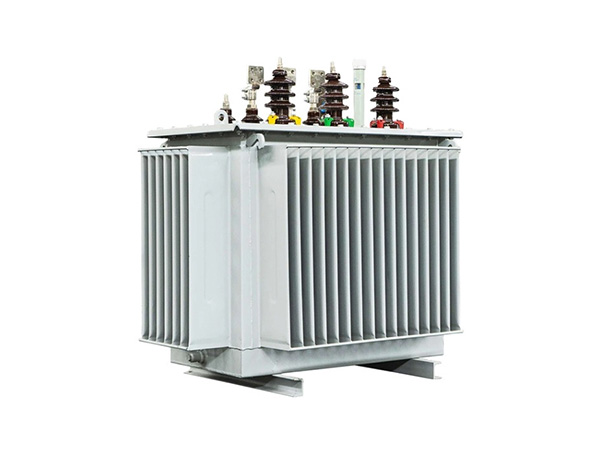
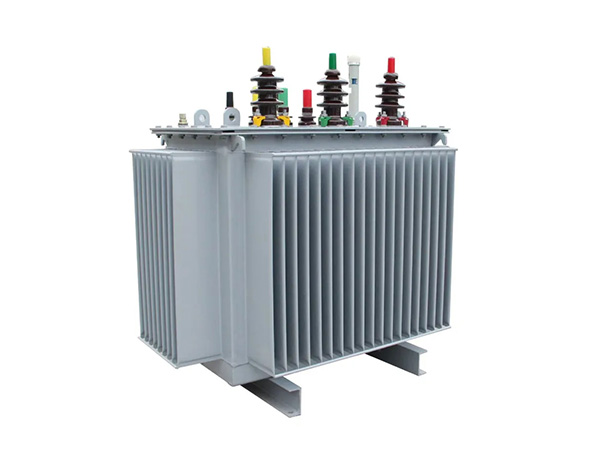
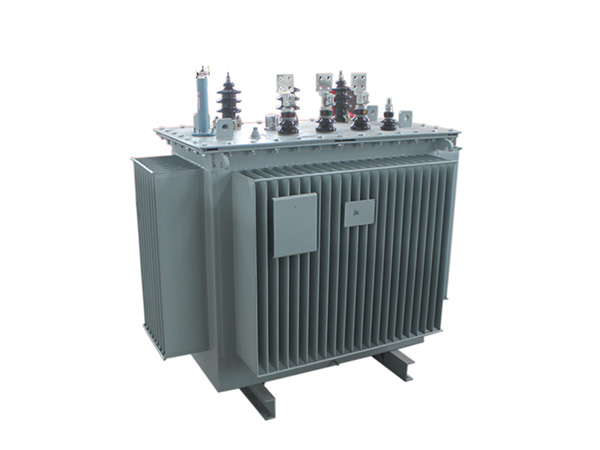
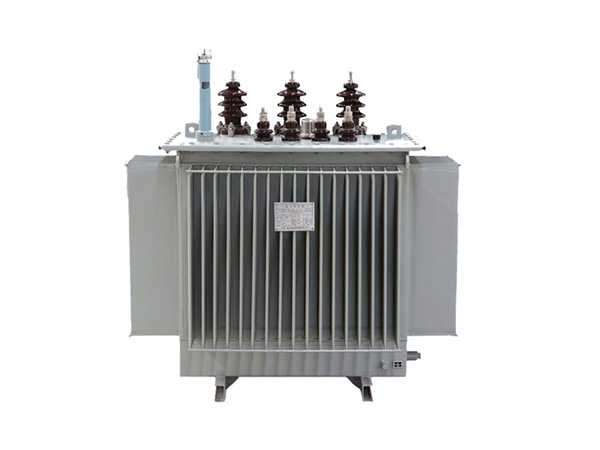
In the global market for high voltage transformer components, DIN standard porcelain bushings occupy a position of recognized quality and interchangeability. The DIN (Deutsches Institut fuer Normung) standards provide precisely defined dimensional, electrical, and mechanical specifications that enable bushings from different manufacturers to be interchanged without redesign. For B2B procurement teams specifying porcelain bushings for new transformer builds, replacement projects, or spare parts inventory, understanding the DIN framework eliminates ambiguity, simplifies supplier comparison, and ensures that the selected porcelain bushing meets the performance requirements of the application.
What DIN Standards Cover for Porcelain Bushings
The DIN standards relevant to porcelain bushings for transformers are primarily aligned with the IEC 60137 international standard, with DIN-specific designations providing additional national-level precision. The key standards define what a DIN standard porcelain bushing must meet in terms of dimensions, electrical performance, mechanical strength, and test procedures.
DIN 42561 through DIN 42564 cover requirements for oil-impregnated paper (OIP) porcelain bushings for operating voltages up to 123 kV. These standards specify the creepage distance, lightning impulse voltage withstand, power frequency voltage withstand, and mechanical cantilever strength that bushings must demonstrate. The dimensional standards ensure that flange mounting dimensions, center conductor hole diameter, and overall height conform to universally applicable envelopes that fit standard transformer tank layouts.
The practical value of DIN standard porcelain bushing specification is interchangeability. A DIN standard porcelain bushing rated at 36 kV with specified dimensions and performance will fit and function in any transformer tank designed for that standard, regardless of the manufacturer. This eliminates the dependency on a single supplier for spare parts and enables competitive procurement without engineering redesign.
Key Features of DIN Standard Porcelain Bushings
The DIN standard porcelain bushing specifications incorporate features that address the practical requirements of transformer manufacturing, installation, and maintenance.
Dimensional interchangeability is the primary feature. The flange dimensions, center hole diameter, and mounting bolt circle are precisely defined, allowing DIN standard porcelain bushings to be installed in any transformer tank designed to the same standard. This simplifies transformer design because the bushing is a defined interface rather than a custom-designed component.
Creepage distance is specified based on pollution level. DIN standard porcelain bushings are available in standard, enhanced, and high creepage variants corresponding to IEC 60815 pollution severity levels. Standard creepage is typically 25 mm/kV; enhanced variants provide 31 mm/kV for moderately polluted environments; high creepage variants reach 35 mm/kV for heavily polluted coastal or industrial installations. The correct creepage class must be specified based on the installation environment.
Mechanical cantilever strength is defined in the DIN standard and verified by type testing. Standard ratings are 3 kN, 5 kN, 8 kN, and 12 kN classes, corresponding to different bushing sizes and voltage ratings. The mechanical rating must exceed the sum of conductor weight, wind loading, and seismic requirements at the installation site.
Electrical Performance Specifications
The electrical specifications for a DIN standard porcelain bushing define its dielectric performance and operational voltage capability.
Voltage class is the primary electrical specification. Common DIN standard porcelain bushing ratings include 24 kV, 36 kV, 52 kV, 72.5 kV, 123 kV, and 170 kV, corresponding to standard IEC voltage levels. The rated voltage determines the minimum withstand voltage requirements for power frequency, lightning impulse, and switching impulse tests.
The power frequency voltage test verifies that the porcelain bushing can withstand normal operating voltage and temporary overvoltages without flashover or internal breakdown. The lightning impulse test confirms performance against transient overvoltages from lightning strikes—a critical requirement for outdoor transformer installations. Switching impulse tests are required for bushings rated above 300 kV.
Partial discharge levels are specified in IEC 60137 and DIN 42561. At 1.5 times the rated phase-to-ground voltage, partial discharge magnitude must not exceed specified limits—typically 10 pC for new bushings. Low PD levels indicate a well-manufactured DIN standard porcelain bushing with void-free insulation and proper grading shield installation.
Manufacturing Quality and Type Testing
The DIN standard porcelain bushing designation implies a defined quality assurance framework, but not all porcelain bushings sold as DIN-compliant are manufactured to the same standard of quality.
Type testing is performed once per bushing design to verify compliance with all specified electrical, mechanical, and thermal requirements. The type test report is the manufacturer proof of compliance and should be requested as part of procurement qualification. Tests include voltage withstand (AC and impulse), capacitance and tan delta measurement, cantilever strength test, thermal stability test, and seismic qualification where required.
Routine tests are performed on every bushing produced and include power frequency voltage withstand, capacitance and tan delta measurement, and visual and dimensional inspection. Routine test results should be included with each bushing shipment as a certificate of conformance.
Sample tests are performed on a statistical sample basis to verify continued manufacturing quality. These include thermal cycling tests and mechanical proof tests. The frequency and acceptance criteria for sample tests are defined in the applicable DIN standard porcelain bushing specification.
Benefits of Specifying DIN Standard Porcelain Bushings
For B2B procurement engineers, specifying DIN standard porcelain bushings delivers several practical advantages beyond basic performance compliance.
Supply chain flexibility is perhaps the most significant benefit. DIN standard porcelain bushing specifications enable competitive procurement from multiple qualified manufacturers without requiring engineering revalidation. This reduces procurement cost and eliminates single-source dependency that creates supply risk.
Inventory simplification is another advantage. A spare parts inventory based on DIN standard porcelain bushing part numbers is universally applicable to any transformer designed to the same standard. Custom or non-standard bushings require specific spare parts for each transformer design, dramatically increasing inventory requirements and associated capital cost.
Quality assurance is strengthened by the DIN standard porcelain bushing framework. Compliance with recognized international and national standards provides independent verification of manufacturing quality through third-party type testing and certification. Manufacturers that invest in DIN standard porcelain bushing certification are demonstrating commitment to quality that non-certified manufacturers cannot match.
Selection Criteria for DIN Standard Porcelain Bushings
Specifying the correct DIN standard porcelain bushing requires matching several parameters to the transformer requirements.
Rated voltage must equal or exceed the maximum system voltage at the installation point. Applying a 36 kV porcelain bushing in a 35 kV system is standard practice—applying a lower-rated bushing is a safety violation.
Creepage distance must match the pollution severity at the installation site. Coastal environments with salt contamination, industrial environments with conductive dust, and desert environments with wind-blown sand all require enhanced creepage variants beyond the standard classification.
Current rating must accommodate the maximum continuous current with adequate thermal margin. Standard DIN standard porcelain bushing current ratings range from 800 A to 3150 A for distribution classes; higher ratings may require custom engineering. Specify current rating at least 15% above the transformer nameplate full-load current to allow for overload and ambient temperature margin.
Frequently Asked Questions
What is the difference between DIN and IEC bushing standards?
IEC 60137 is the international standard for insulated bushings, adopted by most countries as their national standard. DIN standards are German national standards that align closely with IEC 60137 but provide additional national-level precision in specific areas. In practice, a DIN standard porcelain bushing that meets DIN 42561–42564 will also meet the equivalent IEC 60137 requirements. The DIN designation provides an additional assurance of German engineering quality control.
Are DIN standard porcelain bushings compatible with non-German transformers?
Yes. The dimensional and performance specifications in DIN standards for porcelain bushings are designed for universal application. The flange dimensions and mechanical interface standards enable DIN standard porcelain bushings to be installed in transformers from any manufacturer that has designed its tank to accept standard flange interfaces.
How do I select the correct creepage distance for my installation?
Creepage distance selection follows IEC 60815 guidelines based on the pollution severity at the site. Pollution severity is determined by the site environment: light (indoor, low pollution), medium (urban/industrial), heavy (coastal, chemical), and very heavy (salt-laden coastal, desert dust). Each level has a defined minimum specific creepage distance in mm/kV. Select the DIN standard porcelain bushing creepage class that meets or exceeds the required specific creepage distance for your pollution level.
What routine tests should I expect with DIN standard porcelain bushing delivery?
Every DIN standard porcelain bushing delivery should include routine test results confirming AC voltage withstand, capacitance and dissipation factor (tan delta) at rated voltage, and dimensional verification. The test results should be traceable to the specific bushing serial numbers delivered. Request the routine test certificate before releasing payment to the supplier.
Can DIN standard porcelain bushings be used in RIP transformer designs?
DIN and IEC bushing standards apply to all bushing types—OIP, RIP, and composite silicone rubber. The DIN standard porcelain bushing designation refers specifically to the ceramic insulator variant, but the same DIN/IEC framework applies to RIP bushings under their own technical specifications. RIP bushings offer advantages in moisture resistance and maintenance-free operation but carry higher first cost.
Conclusion
The DIN standard porcelain bushing specification framework exists to solve a practical problem: ensuring that a critical, safety-critical component is defined precisely enough to enable competitive procurement, universal interchangeability, and consistent quality verification. For B2B procurement engineers, specifying DIN standard porcelain bushings rather than custom or non-standard designs simplifies every phase of transformer asset management—from initial specification and procurement through spare parts inventory and replacement. The investment in understanding the DIN standard requirements—voltage class, creepage distance, current rating, and mechanical strength—is returned many times over through reduced procurement cost, eliminated supply risk, and confidence that the installed porcelain bushing meets recognized international quality and safety standards.
References
IEC 60137:2017, "Insulated Bushings for Alternating Voltages Above 1000 V," International Electrotechnical Commission.
DIN 42561:2017, "Oil-Impregnated Paper Insulated Bushings for Alternating Voltages Above 1000 V," Deutsches Institut fuer Normung.
IEEE Std C57.19.01-2017, "Standard Performance Characteristics and Dimensions for Outdoor Apparatus Bushings," IEEE Power & Energy Society.
IEC 60815-1:2018, "Selection and Dimensioning of High-Voltage Insulators – Part 1: Definitions, Information and General Principles," International Electrotechnical Commission.
Kulkarni, S.V., & Khaparde, S.A., "Transformer Engineering: Design, Technology, and Diagnostics," CRC Press, 2012.
MORE
-
Transformer Components Most Likely to Require Replacement
2026-07-24
-
Signs Your Transformer Oil Level Indicator Needs Replacement
2026-07-11
-
dry-type-transformers-for-commercial-buildings
2026-07-11
-
DIN Standard Porcelain Bushings: Features and Benefits
2026-07-11
-
Copper vs Aluminum Terminal Studs for Transformers
2026-07-11