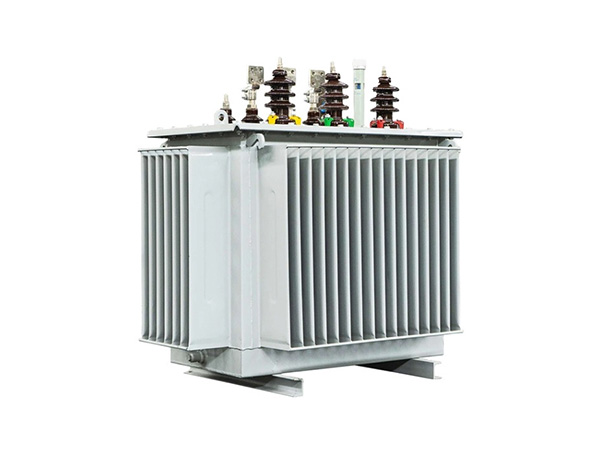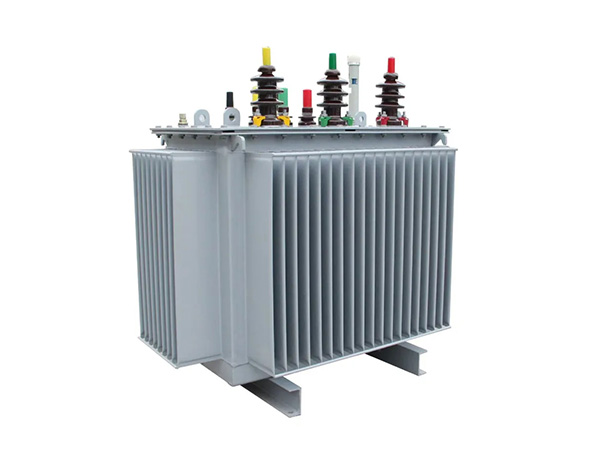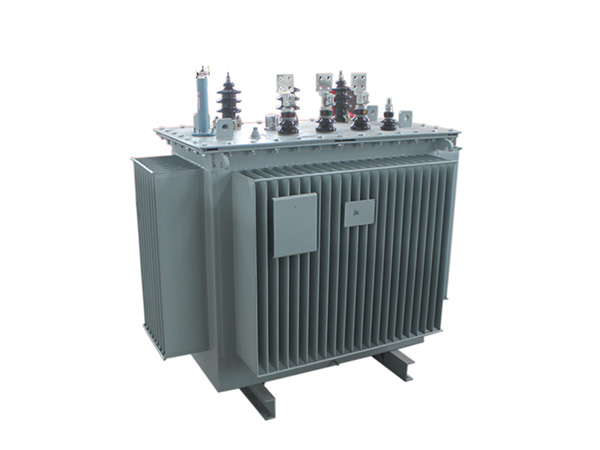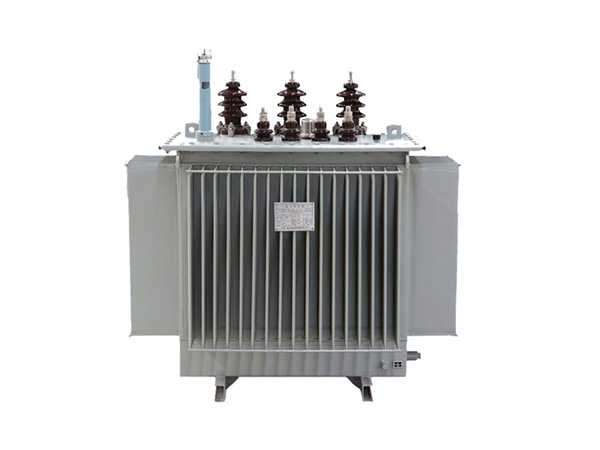






Oil Immersed Transformer: Comprehensive Technical Guide
Time:2026-06-17 16:02:23 Author:zhongbei Click:157
The oil immersed transformer remains the workhorse of global power distribution infrastructure, accounting for approximately 85% of installed transformer capacity worldwide. Its dominance stems from proven reliability over more than a century of deployment, superior thermal performance, and cost-effectiveness at medium to high power ratings. This technical guide synthesizes field engineering experience and industry standards to equip B2B procurement professionals with the knowledge required to specify, install, and maintain oil immersed transformer assets effectively.
Operating Principles and Design Architecture
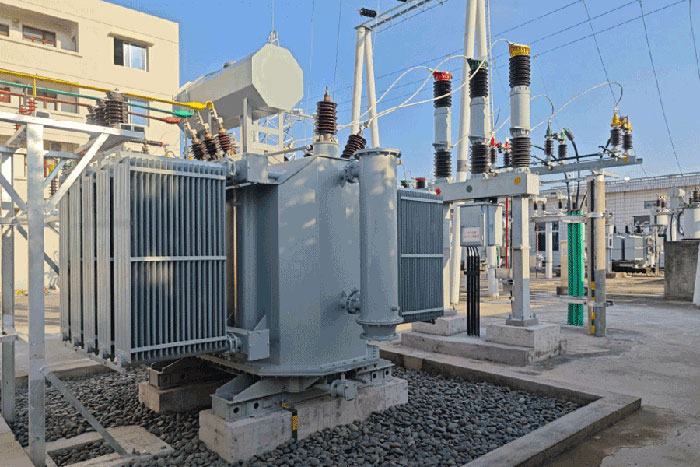
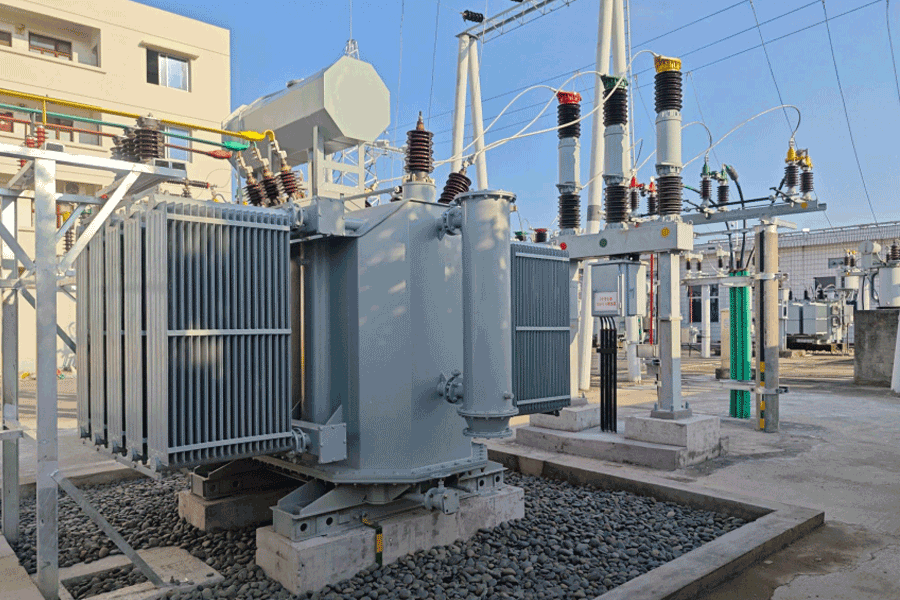
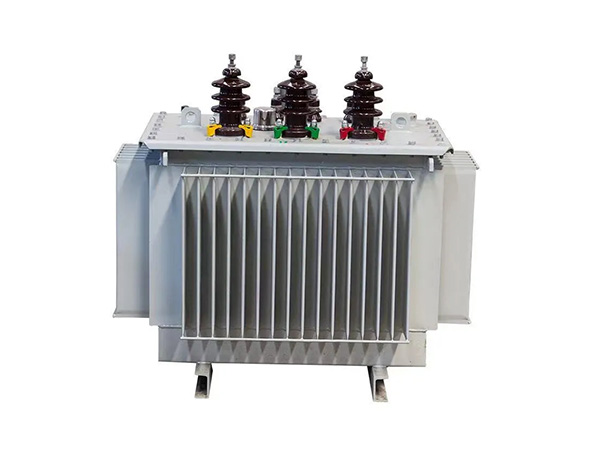
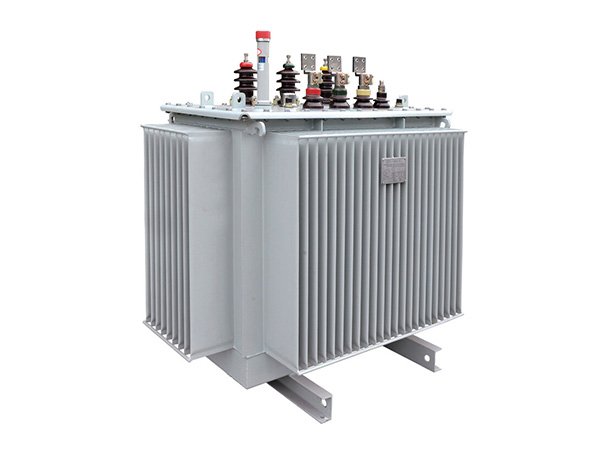
An oil immersed transformer consists of core and windings submerged in insulating oil contained within a steel tank. The oil performs two critical functions:
Electrical insulation: Mineral oil has a dielectric strength of approximately 60 kV/mm, providing robust insulation between windings and from windings to ground.
Thermal management: Oil circulates via natural convection (ONAN) or forced circulation (ONAF, OFAF), transferring heat from windings and core to external radiators or heat exchangers.
The tank is typically constructed from mild steel plate, with radiators mounted externally to maximize cooling surface area. A conservator tank mounted above the main tank accommodates oil expansion and contraction with temperature cycling. A silica gel breather on the conservator prevents moisture ingress by drying incoming air.
Insulating Oil: Properties and Selection
The choice of insulating fluid significantly impacts oil immersed transformer performance and environmental profile:
Mineral oil: The standard choice for decades, with excellent dielectric properties and low cost. Flash point approximately 150°C. Susceptible to oxidation and moisture absorption over time.
Synthetic ester (e.g., MIDEL 7131): Biodegradable, with flash point exceeding 300°C. Compatible with existing tank materials in most designs. Higher cost (3–4× mineral oil) but increasingly specified for environmentally sensitive installations.
Natural ester (e.g., FR3): Derived from vegetable oils, biodegradable, with high fire point (>300°C). Limited to lower temperature rise designs due to higher viscosity. Cost premium approximately 2× mineral oil.
Oil selection should consider installation environment, regulatory requirements, and lifecycle cost—including disposal fees for mineral oil classified as hazardous waste in many jurisdictions.
Cooling Classifications and Performance
The oil immersed transformer offers multiple cooling configurations per IEC 60076-2:
ONAN (Oil Natural Air Natural): Oil circulates by natural convection; heat dissipates from radiators via natural airflow. Standard for distribution transformers up to approximately 2500 kVA.
ONAF (Oil Natural Air Forced): Fans mounted on radiators force airflow, increasing cooling capacity by 25–35%. Suitable for cyclic overload conditions.
OFAF (Oil Forced Air Forced): Pumps circulate oil through heat exchangers with forced air cooling. Used for power transformers above 10 MVA and for installations requiring compact footprint.
ODAF/ODWF: Directed oil flow with forced air or water cooling. High-capacity designs above 50 MVA often employ these configurations.
Proper cooling specification ensures the oil immersed transformer operates within temperature limits that preserve insulation life—every 6°C rise above rated temperature halves the insulation's remaining service life per the Arrhenius aging model.
Key Advantages of Oil Immersed Transformers
Superior Thermal Performance
The high specific heat capacity and convective flow of oil provide thermal margin that air-cooled designs cannot match. An oil immersed transformer can sustain 150% overload for 1–2 hours under emergency conditions, critical for applications with occasional demand spikes or motor starting inrush currents.
Lower First Cost at Higher Ratings
At ratings above 3150 kVA, the oil immersed transformer achieves significantly lower cost per kVA than dry type equivalents. The cooling efficiency of oil allows more compact core and coil designs, reducing material consumption.
Proven Long-Term Reliability
Industry reliability surveys (CIGRE TB 542) document mean time between failures (MTBF) exceeding 150,000 hours for properly maintained oil immersed transformer units. With routine oil maintenance, service life of 30–40 years is routinely achieved in field installations.
Diagnostic Accessibility
Dissolved gas analysis (DGA) provides a powerful non-intrusive diagnostic tool. Sampling oil and analyzing gas concentrations (H₂, CH₄, C₂H₂, C₂H₄, C₂H₆) enables early detection of incipient faults—partial discharge, arcing, or overheating—months before they progress to failure.
Primary Industrial Applications
The oil immersed transformer serves diverse industrial sectors:
Utility substations: Step-down transformation from transmission to distribution voltages, typically 132 kV/33 kV to 11 kV/0.4 kV.
Heavy industry: Steel mills, aluminum smelters, and mining operations require high-power transformers with robust overload capability.
Data centers: Large-scale facilities deploy oil immersed transformer units in outdoor substations for main power supply, with dry type units for indoor distribution.
Renewable energy: Wind farm collector systems and solar plant substations utilize oil-immersed step-up transformers for grid connection.
Industrial complexes: Petrochemical plants and manufacturing facilities with dedicated outdoor substation space.
Installation Requirements and Safety Systems
Installing an oil immersed transformer requires careful attention to safety and environmental protection:
Fire containment: Per NFPA 70 and local codes, oil-filled transformers above certain ratings require fire-rated vaults or outdoor installations with adequate separation from buildings. Oil containment pits sized to capture 110% of tank volume are mandatory in most jurisdictions.
Fire suppression: Water spray systems or foam suppression may be required depending on oil volume and proximity to occupied structures.
Ventilation: Indoor vaults require ventilation to prevent accumulation of flammable gases from potential oil decomposition.
Seismic bracing: Large oil immersed transformer units require seismic anchorage per IEEE 693, accounting for oil sloshing forces during earthquake events.
Maintenance Program: Ensuring Asset Longevity
A structured maintenance program is essential for oil immersed transformer reliability:
Annual oil testing: Dielectric breakdown voltage, acidity, moisture content, and interfacial tension provide indicators of oil condition. Trends guide maintenance scheduling.
Dissolved gas analysis: Perform every 2–3 years for routine monitoring; annually for critical units. Use IEEE C57.104 or IEC 60599 interpretation guides.
Oil filtration and degasification: When dielectric strength drops below 50 kV or dissolved gases exceed action levels, process oil through mobile treatment units or schedule oil replacement.
Bushing and gasket inspection: Check for oil leaks, cracked bushings, and degraded seals. Replace gaskets during major maintenance outages.
Buchholz relay testing: For conservator-type transformers, verify Buchholz relay operation annually—this device provides critical protection against internal faults.
Industry data confirms that well-maintained oil immersed transformer units achieve failure rates 40–60% lower than poorly maintained equivalents over a 20-year horizon.
Frequently Asked Questions
What is the typical lifespan of an oil immersed transformer?
With proper maintenance, an oil immersed transformer achieves 30–40 years service life. The primary aging mechanism is insulation degradation; maintaining oil quality and operating temperature within limits maximizes insulation life.
How often should transformer oil be tested?
Annual oil testing is standard practice. Dissolved gas analysis every 2–3 years for normal units; annually for critical installations. More frequent testing is warranted if prior samples showed abnormal trends.
Can mineral oil be replaced with synthetic ester?
Yes, in most designs. Synthetic esters are compatible with common transformer materials. However, verify with the manufacturer that tank seals and gaskets are ester-compatible, and account for the slightly different thermal expansion coefficients when sizing the conservator.
What triggers oil replacement versus filtration?
Filtration addresses moisture and particulate contamination. Oil replacement is required when acidity exceeds 0.5 mg KOH/g (signifying oxidation beyond recovery) or when dissolved fault gases cannot be adequately reduced through degasification.
How does ambient temperature affect oil immersed transformer rating?
Standard ratings assume 40°C maximum ambient. For higher ambient installations, the oil immersed transformer may require derating of 1–2% per degree above 40°C, or specification of enhanced cooling (ONAF instead of ONAN) to maintain full rated capacity.
Conclusion
The oil immersed transformer remains the optimal choice for medium to high-power applications where thermal performance, overload capability, and cost-effectiveness are primary requirements. Its proven track record, diagnostic accessibility through dissolved gas analysis, and straightforward maintenance regime make it a reliable workhorse for industrial and utility power systems. For procurement teams, the key success factors are matching cooling configuration to load profile, specifying appropriate oil type for environmental conditions, and budgeting for the maintenance infrastructure required to realize the technology's full lifecycle potential. When these elements align, the oil immersed transformer delivers exceptional value over decades of reliable service.
References
IEC 60076-2:2019, "Power Transformers – Part 2: Temperature Rise for Liquid-Immersed Transformers," International Electrotechnical Commission.
IEEE Std C57.106-2015, "Guide for Acceptance and Maintenance of Insulating Oil in Equipment," IEEE Power & Energy Society.
CIGRE Working Group A2.37, "Transformer Reliability Survey," Technical Brochure 542, 2015.
IEEE Std C57.104-2019, "Guide for the Interpretation of Gases Generated in Oil-Immersed Transformers," IEEE Power & Energy Society.
Kulkarni, S.V., & Khaparde, S.A., "Transformer Engineering: Design, Technology, and Diagnostics," CRC Press, 2012.
MORE
-
Transformer Components Most Likely to Require Replacement
2026-07-24
-
Signs Your Transformer Oil Level Indicator Needs Replacement
2026-07-11
-
dry-type-transformers-for-commercial-buildings
2026-07-11
-
DIN Standard Porcelain Bushings: Features and Benefits
2026-07-11
-
Copper vs Aluminum Terminal Studs for Transformers
2026-07-11