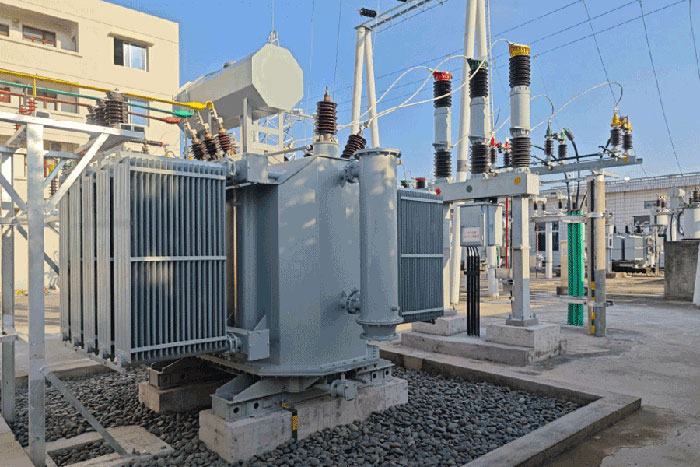
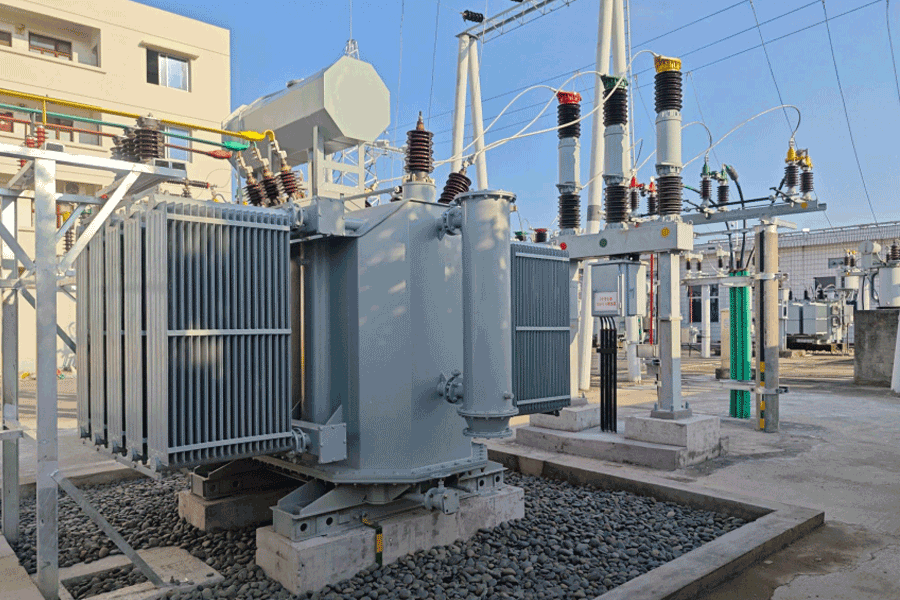






Understanding High Voltage Transformer Porcelain Bushings
Time:2026-06-24 18:49:33 Author:zhongbei Click:184
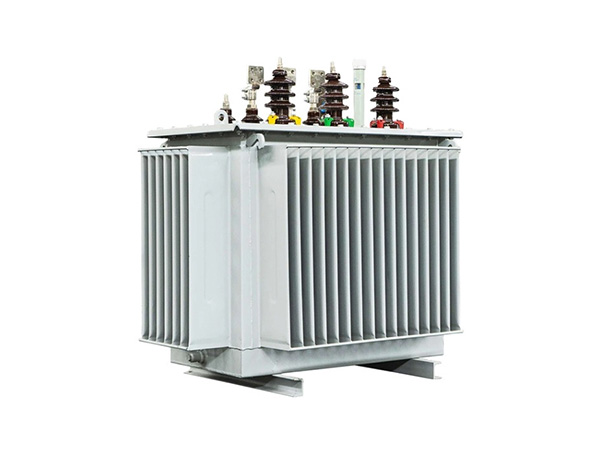
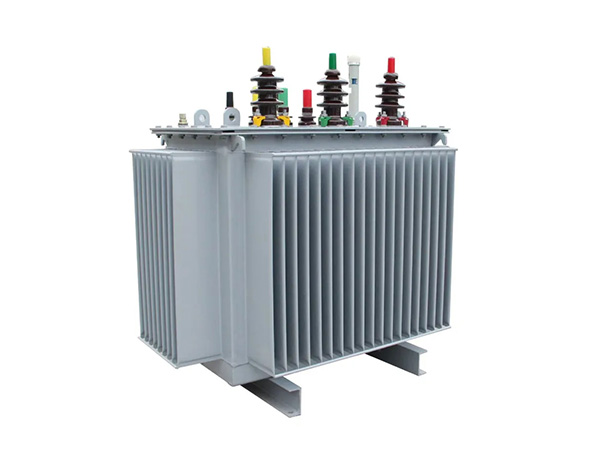
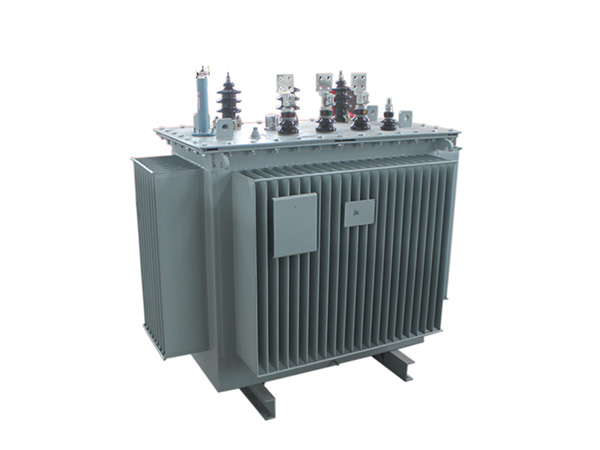
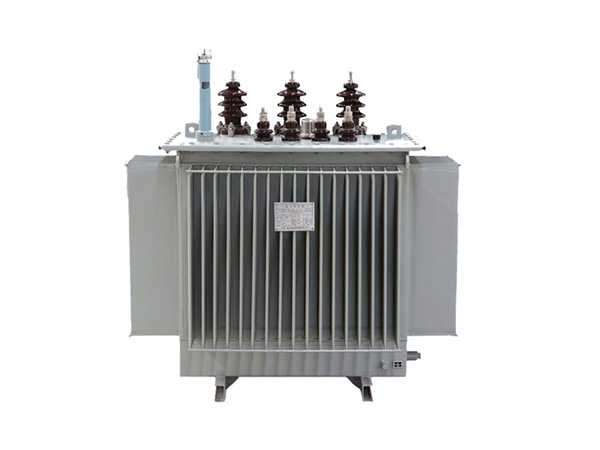
The transformer porcelain bushing is one of the most mechanically stressed and environmentally exposed components on any oil immersed transformer. It must withstand high voltage stress, mechanical load from conductor weight and seismic forces, thermal cycling from ambient variation and load changes, and relentless exposure to moisture, pollution, and UV radiation. When a transformer porcelain bushing fails, the consequences range from unplanned outage to tank rupture and fire. This makes bushings a critical focus area for B2B procurement specification, inspection, and asset management programs.
The Function of a Transformer Bushing
A transformer bushing provides a mechanically robust and electrically insulating passage for the high-voltage conductor to enter or exit the transformer tank. The key challenge it solves is bridging the gap between the high-potential conductor inside the tank and the grounded metal tank wall:
Electrical insulation: The bushing must withstand the full operating voltage between the conductor and grounded tank. For a 132 kV transformer, the bushing must provide reliable insulation at 132,000 volts AC continuously.
Mechanical support: The bushing carries the weight of the conductor and any associated hardware. Wind loading and seismic forces impose additional mechanical stress that the bushing must endure without fracture.
Environmental sealing: The bushing must maintain a hermetic seal between the transformer tank interior and the external environment, preventing moisture ingress and oil leakage.
Without a properly functioning transformer porcelain bushing, none of these functions are assured—making bushing selection and maintenance as important as core and winding specification.
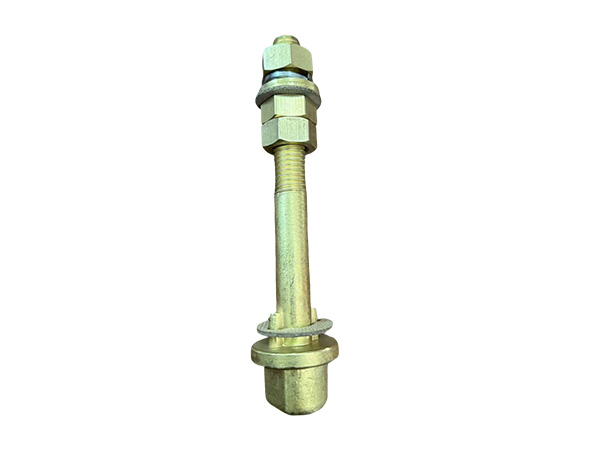
Transformer Porcelain Bushing Design and Construction
The transformer porcelain bushing in its classical form consists of several key elements:
Porcelain shell: The external insulator body is formed from wet-process electrical porcelain. High-quality electrical porcelain has high mechanical strength, excellent dielectric properties, and resistance to tracking under contaminated surface conditions. The porcelain is glazed to create a smooth, hydrophobic surface that sheds water and resists pollution accumulation.
Shielded design: The inner surface of the porcelain carries capacitive grading shields (typically aluminum foil layers) that control the voltage gradient along the bushing length, preventing localized field intensification that leads to internal discharge.
Flange and mounting: A cast iron or forged steel flange at the bushing base provides the mechanical interface to the transformer tank. The flange incorporates a sealing gasket surface and provisions for mounting.
Oil-impregnated paper (OIP) core: In OIP bushings—the most common type for oil-immersed transformers—the internal insulation consists of paper tapes wound on a central tube and vacuum-impregnated with transformer oil. The oil provides dielectric strength and thermal conductivity.
Capacitive grading: Alternating layers of aluminum foil (capacitive grading shields) create a series of capacitors that distribute voltage uniformly along the bushing, eliminating high field stress regions that cause partial discharge and eventual breakdown.
Types of Transformer Bushings: OIP vs RIP
Two principal bushing technologies dominate high-voltage transformer applications:
Oil-impregnated paper (OIP) bushings: The traditional design, with paper insulation impregnated with transformer oil. Requires oil level maintenance—OIP bushings on transformer tanks must be checked for oil leakage and oil level. Proven technology with over 80 years of field experience. Available from 72.5 kV to 800 kV.
Resin-impregnated paper (RIP) bushings: Paper insulation is impregnated with epoxy resin under vacuum and cured, creating a solid, void-free insulation system. RIP bushings are inherently dry—no oil filling, no oil level monitoring, no leakage risk. Growing market share, particularly in indoor switchgear applications and environmentally sensitive installations. Available up to 550 kV class.
For B2B procurement teams, the choice between OIP and RIP transformer porcelain bushing technology depends on maintenance philosophy, environmental requirements, and lifecycle cost considerations.
Common Failure Modes
Bushing failures are among the most violent transformer failure modes because they typically involve complete dielectric collapse followed by oil spray and potential tank rupture. Understanding failure modes enables targeted inspection and testing:
Partial discharge degradation: Internal partial discharge within the OIP or RIP insulation gradually erodes the paper layers. Over months to years, PD activity concentrates at the remaining weak points until a through-fault occurs. Online PD monitoring provides early warning; without it, the failure appears sudden.
Moisture ingress: In OIP bushings, seal degradation allows moisture to enter the paper insulation. Moisture dramatically reduces dielectric strength—a 1% moisture content increase can reduce breakdown voltage by 50%. Capacitance and tan delta testing detect moisture accumulation.
Thermal degradation: Sustained overloading elevates bushing internal temperatures, accelerating paper aging. Thermal cycling causes differential expansion between the porcelain shell and the internal paper core, creating delamination voids where PD can initiate.
Porcelain fracture: Seismic events, mechanical impact, or severe thermal shock can crack the porcelain shell. Even hairline cracks compromise the external insulation path, leading to surface flashover under contaminated or wet conditions.
Capacitive shield failure: If a grading shield detaches or corrodes, voltage distribution becomes non-uniform, creating localized overstress that rapidly degrades adjacent insulation.
Inspection and Testing Program
A structured inspection and testing program is the foundation of bushing reliability management:
Visual inspection (monthly): Check for porcelain cracks, chips, or surface tracking. Inspect the sealing flange for oil seepage. Verify that the bushing is clean—pollution accumulation on contaminated bushings accelerates surface flashover, particularly under fog or light rain conditions.
Infrared thermography (quarterly or during peak load): Compare bushing body temperature against adjacent bushings and the transformer's top-oil temperature. A hot bushing may indicate internal problems: high-resistance joints, partial discharge heating, or moisture-induced losses.
Capacitance and tan delta testing (annual): Measure capacitance and dissipation factor (DF/tan δ) per IEEE Std C57.19.01. Compare results to factory test certificates or previous field measurements. An increase in capacitance >2% or DF >0.005 from baseline indicates degradation.
Partial discharge testing (periodic): Both offline PD testing (per IEC 60271) and online PD monitoring (per IEC 62478) detect incipient degradation before it reaches critical levels. Specify PD testing on transformers >110 kV and on any bushing showing anomalous thermography or DGA results.
DGA of OIP bushing oil (biennial): For OIP bushings with accessible oil sampling ports, dissolved gas analysis of the bushing oil provides fault gas signatures similar to main tank DGA. Elevated C₂H₂ in bushing oil specifically indicates internal arcing.
When to Replace Transformer Bushings
Replacement decisions balance asset age, condition assessment results, and operational criticality:
Capacitance change >5%: Significant movement of grading shields or severe dielectric degradation. Replace immediately regardless of other indicators.
Tan delta increase >0.007 from baseline: Strong indicator of moisture ingress or insulation aging. Evaluate against transformer age and operating history.
Porcelain damage:
Any visible crack or chip on the active porcelain surface compromises creepage distance and requires replacement. Minor flange sealing surface chips may be repairable in the field.
Age-based replacement: OIP bushings exceeding 25 years with no recent condition data should be prioritized for replacement or comprehensive testing. Aging seals and degraded paper insulation present escalating risk profiles.
Manufacturer recall or field failure notice: Several bushing models have documented design defects leading to accelerated failure. Check with your manufacturer for outstanding field service notices.
Specification and Procurement Guidance
When specifying replacement transformer porcelain bushing units:
Voltage class and BIL: Match the transformer's rated voltage and Basic Impulse Level (BIL). Underspecifying voltage class creates immediate safety and reliability risk.
Current rating: Specify current rating at least 115% of the transformer's maximum continuous current to accommodate overload and thermal margin.
Mechanical cantilever strength: For outdoor transformers exposed to wind or seismic loading, verify the bushing meets the required cantilever strength per IEEE C57.19.01.
Oil level monitoring provisions: For OIP bushings, specify oil level indicators and oil sampling ports to enable condition monitoring.
Type test reports: Require type test certificates demonstrating compliance with IEC 60137 (for bushings up to 1000 kV) including partial discharge, tan delta, voltage withstand, and thermal cycling tests.
Frequently Asked Questions
What causes a transformer porcelain bushing to explode?
A transformer porcelain bushing typically fails violently when internal insulation collapses—usually from moisture ingress or advanced partial discharge degradation. The resulting internal arc vaporizes surrounding oil, creating a pressure wave that shatters the porcelain shell and sprays hot oil. This is why bushing failure is one of the primary causes of transformer tank rupture and fire. Early detection through condition monitoring is the key prevention strategy.
Can a cracked porcelain bushing continue operating?
A hairline surface crack on the porcelain skirt reduces creepage distance and creates a pollution trap. Under wet conditions, tracking current can initiate along the crack, progressing to surface flashover. Cracked bushings should be replaced at the next planned outage. Do not continue operating with a visibly cracked transformer porcelain bushing—the risk of a cascading failure is too high.
How long do transformer bushings last?
Well-maintained OIP bushings routinely achieve 30–40 years of service. RIP bushings, with no oil to degrade and no seals to maintain, can exceed 40 years with minimal intervention. However, actual life depends heavily on operating conditions—cycling loading, ambient temperature, pollution exposure, and maintenance quality. Age alone is not sufficient criteria; condition assessment determines replacement timing.
What is the difference between OIP and RIP bushings for maintenance?
OIP bushings require oil level checks, periodic oil sampling for DGA, and flange seal inspection. RIP bushings require no oil-related maintenance—eliminating the most common failure modes associated with OIP designs. RIP bushings are increasingly specified on new transformers specifically to reduce long-term maintenance burden, though they carry higher first cost.
Conclusion
The transformer porcelain bushing is a high-consequence component that rewards proactive management and punishes neglect. Its failure modes—partial discharge, moisture ingress, thermal degradation—are detectable through established testing methods well before catastrophic collapse. For B2B procurement and maintenance teams, the investment in annual capacitance and tan delta testing, quarterly thermography, and disciplined visual inspection consistently pays dividends through early identification of degrading bushings. When replacement is required, specifying the correct voltage class, BIL, and current rating—backed by type test certificates—ensures the replacement unit performs to or beyond original equipment standards. The transformer porcelain bushing may be a配角 on the transformer stage, but its role in asset safety and reliability is undeniably lead.
References
IEC 60137:2017, "Insulated Bushings for Alternating Voltages Above 1000 V," International Electrotechnical Commission.
IEEE Std C57.19.01-2017, "Standard Performance Characteristics and Dimensions for Outdoor Apparatus Bushings," IEEE Power & Energy Society.
IEEE Std C57.19.100-2015, "Guide for the Application of Power Apparatus Bushings," IEEE Power & Energy Society.
CIGRE Working Group A2.37, "Transformer Reliability Survey," Technical Brochure 542, 2015.
Kulkarni, S.V., & Khaparde, S.A., "Transformer Engineering: Design, Technology, and Diagnostics," CRC Press, 2012.
MORE
-
Transformer Components Most Likely to Require Replacement
2026-07-24
-
Signs Your Transformer Oil Level Indicator Needs Replacement
2026-07-11
-
dry-type-transformers-for-commercial-buildings
2026-07-11
-
DIN Standard Porcelain Bushings: Features and Benefits
2026-07-11
-
Copper vs Aluminum Terminal Studs for Transformers
2026-07-11