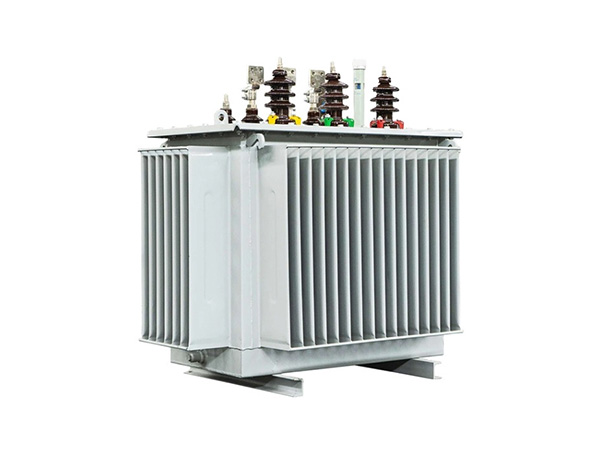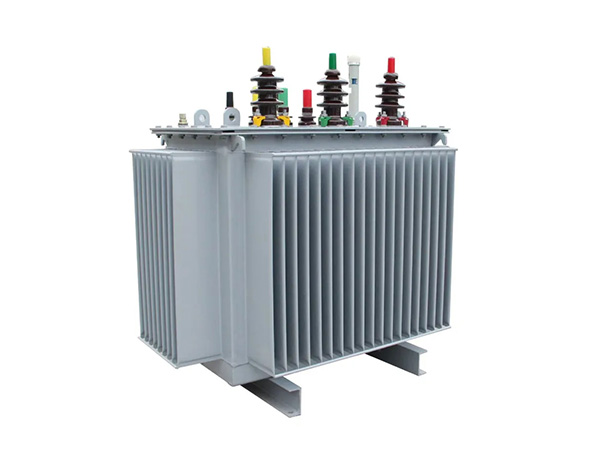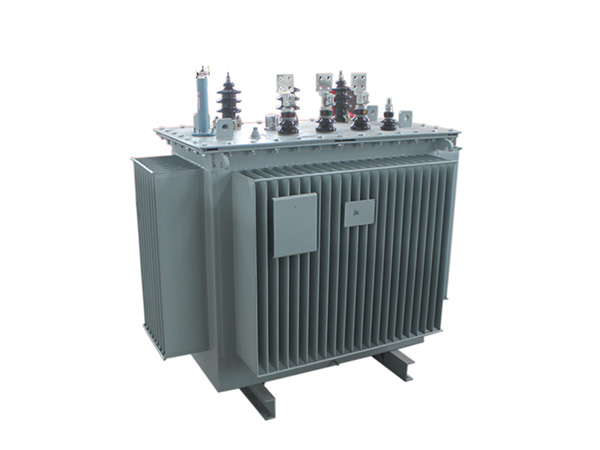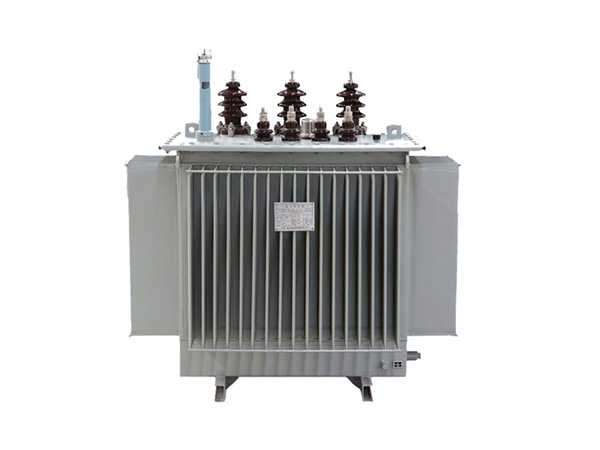






Why oil immersed transformer abnormal overheating during operation?
Time:2026-06-05 22:46:01 Author:zhongbei Click:140
Abnormal overheating is a common operational fault of oil-immersed transformers, which accelerates insulation aging, deteriorates transformer oil and may trigger equipment shutdown in severe cases. The main inducing factors are divided into load-related problems, internal component faults, poor heat dissipation and abnormal operating environment.
1. Excessive or unbalanced load operation
Long-term overloaded running exceeds the transformer’s rated capacity; winding current rises sharply and copper loss increases significantly to produce extra heat. Three-phase unbalanced load also causes one-phase winding overcurrent and local overheating. Frequent large inrush current from periodic motor startup further aggravates transient temperature rise.
2. Internal winding & core failures
Short-circuited turns inside low/high voltage windings lead to partial local short-circuit and concentrated overheating due to huge loop current. Damaged core insulation results in multi-point earthing of silicon steel sheets, generating eddy-current overheat on iron core. Loose core clamping also increases iron loss and continuous temperature climbing.
3. Deteriorated heat dissipation system (most frequent outdoor failure)
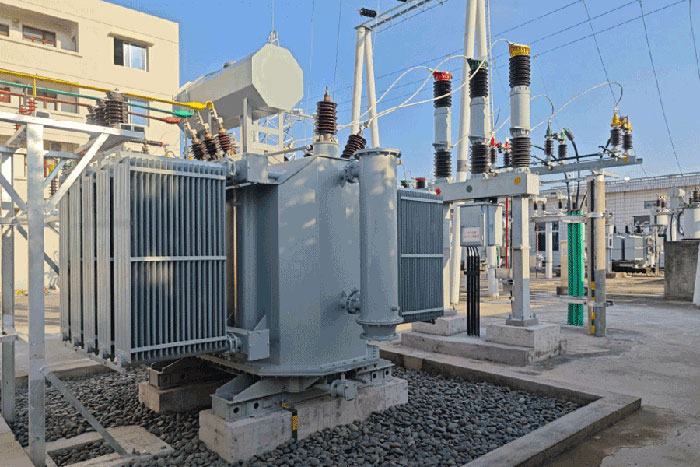
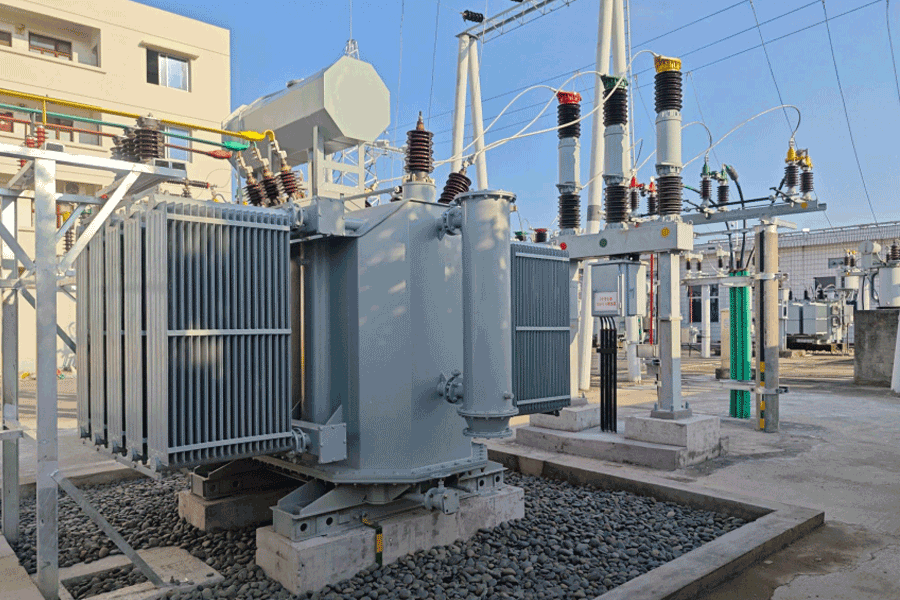
Blocked radiator fins by dust, salt dirt, fallen leaves and bird nests hinder natural air convection cooling. Insufficient transformer oil level reduces oil circulation for heat exchange; degraded aging oil with sludge deposits blocks internal oil flow channel. For coastal transformers, salt accumulation on radiators drastically weakens heat dissipation efficiency.
4. Auxiliary component malfunction
Damaged cooling fan or forced circulation oil pump stops forced cooling. Faulty thermosyphon structure hinders normal hot-cold oil convection. Malfunction of load tap-changer causes poor contact, generating contact resistance heat and local overheating around tap position.
5. Poor ambient and installation condition
High ambient temperature in summer, closed narrow installation space without ventilation raises surrounding temperature continuously. Sun direct exposure without sunshade and coastal high-temperature humid salt-fog environment jointly push up operating temperature.
References
APA
Evans, R. B., & Cooper, F. H. (2023). Diagnosis and root analysis of abnormal overheating for field oil-immersed transformers. IEEE Transactions on Dielectrics and Electrical Insulation, 30(2), 987–995.
MLA
Evans, Robert B., and Frank H. Cooper. "Diagnosis and Root Analysis of Abnormal Overheating for Field Oil-Immersed Transformers." IEEE Transactions on Dielectrics and Electrical Insulation, vol. 30, no. 2, 2023, pp. 987–995,
GB/T 7714-2015
[1] EVANS R B, COOPER F H. Diagnosis and root analysis of abnormal overheating for field oil-immersed transformers[J]. IEEE Transactions on Dielectrics and Electrical Insulation,2023,30(2):987-995.
MORE
-
Transformer Components Most Likely to Require Replacement
2026-07-24
-
Signs Your Transformer Oil Level Indicator Needs Replacement
2026-07-11
-
dry-type-transformers-for-commercial-buildings
2026-07-11
-
DIN Standard Porcelain Bushings: Features and Benefits
2026-07-11
-
Copper vs Aluminum Terminal Studs for Transformers
2026-07-11