




-
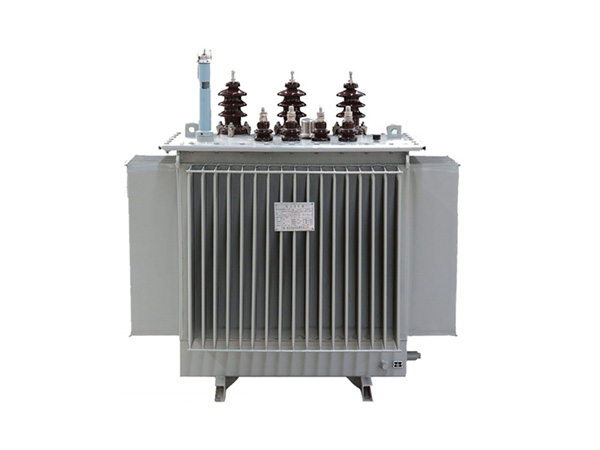
How to Distinguish Between On-Load Tap Changer and Off-Circuit Tap Changer Oil-Immersed Transformers
On-load tap changer(OLTC)and off-circuit tap changer(OCTC,no-load type)transformers differ significantly in structure,appearance,operation rules and application scenarios.You can make a quick distinction from on-site visu...
2026-06
-
How to Deal with Excessive Vibration of In-Service Oil-Immersed Transformers
Excessive vibration not only generates loud noise but also loosens internal components,damages insulation,accelerates oil leakage and shortens equipment service life.Troubleshoot and resolve the issue step by step by chec...
2026-06
-
Troubleshooting Local Overheating of Oil-Immersed Transformers
Local overheating is a typical abnormal operating condition. It accelerates insulation aging, deteriorates insulating oil and may trigger protection tripping or even equipment failure. The troubleshooting follows a logica...
2026-06
-
How to Solve Three-Phase Current Unbalance of Oil-Immersed Transformers
Three-phase current unbalance is a common operating fault. Severe unbalance will increase loss, cause local overheating, damage insulation and trigger protection tripping. The solution follows the steps of fault inspectio...
2026-06
-
How to Adjust Oil-Immersed Transformers When Voltage Is Too High or Too Low
Unbalanced grid voltage (overvoltage or undervoltage) affects power quality, equipment safety and service life. The adjustment method depends on the transformer type: off-circuit tap changer (no-load type) and on-load tap...
2026-06
-
How to Deal with Solidified Insulating Oil of Outdoor Oil-Immersed Transformers in Winter
Low temperature in cold regions may cause insulating oil to thicken or even solidify, which blocks oil circulation, weakens heat dissipation, raises operating temperature and triggers protection tripping. Below are target...
2026-06

-
Home
-
Product
Product List
The implementation of standards is communicated to every supplier partner to ensure a value-based collaboration between both parties

-
Blogs
News List
The implementation of standards is communicated to every supplier partner to ensure a value-based collaboration between both parties

-
About us
-
Scene
-
Contact us