




-
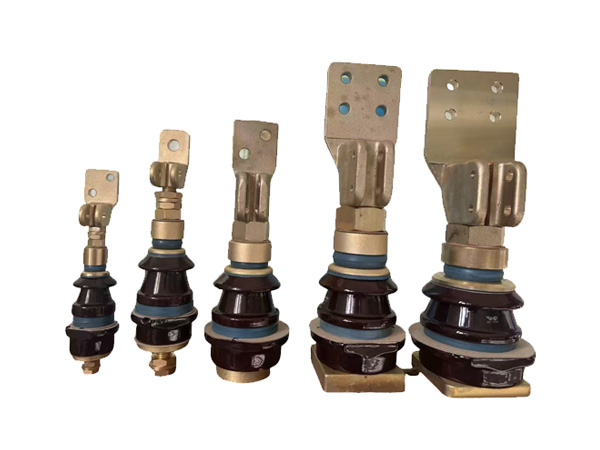
Transformer Components Most Likely to Require Replacement
Every transformer asset manager eventually faces the same question: which transformer parts will need replacement before end of life, and when? The answer determines maintenance budgets, outage planning, and procurement s...
2026-07
-
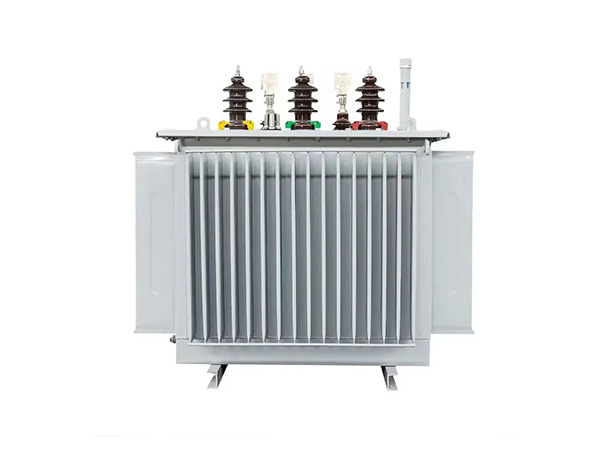
Signs Your Transformer Oil Level Indicator Needs Replacement
The oil level indicator is one of the most visually accessible components on any oil immersed transformer, yet its failure is frequently misdiagnosed or overlooked until it contributes to a more serious incident. When an ...
2026-07
-
dry-type-transformers-for-commercial-buildings
Commercial buildings present a distinct set of requirements for power distribution transformers. With transformers frequently located in basement electrical rooms, rooftop enclosures, or occupied floor mechanical spaces, ...
2026-07
-
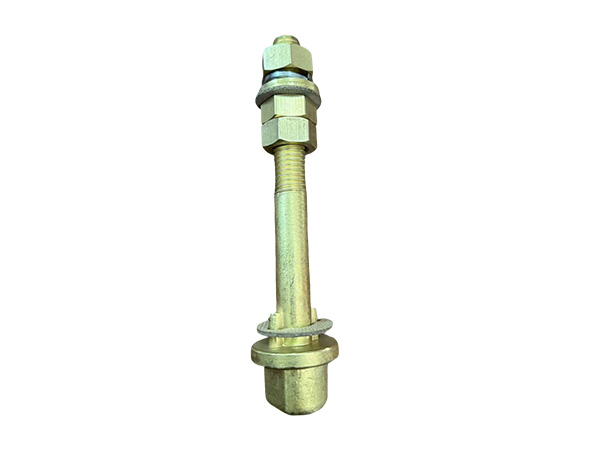
DIN Standard Porcelain Bushings: Features and Benefits
In the global market for high voltage transformer components, DIN standard porcelain bushings occupy a position of recognized quality and interchangeability. The DIN (Deutsches Institut fuer Normung) standards provide pre...
2026-07
-
Copper vs Aluminum Terminal Studs for Transformers
The choice of terminal material for transformer connections is one of the most consequential decisions in transformer design and procurement. The copper terminal stud and its aluminum counterpart represent fundamentally d...
2026-07
-
Understanding High Voltage Transformer Porcelain Bushings
The transformer porcelain bushing is one of the most mechanically stressed and environmentally exposed components on any oil immersed transformer....
2026-06

-
Home
-
Product
Product List
The implementation of standards is communicated to every supplier partner to ensure a value-based collaboration between both parties
-
Blogs
News List
The implementation of standards is communicated to every supplier partner to ensure a value-based collaboration between both parties
-
About us
-
Scene
-
Contact us