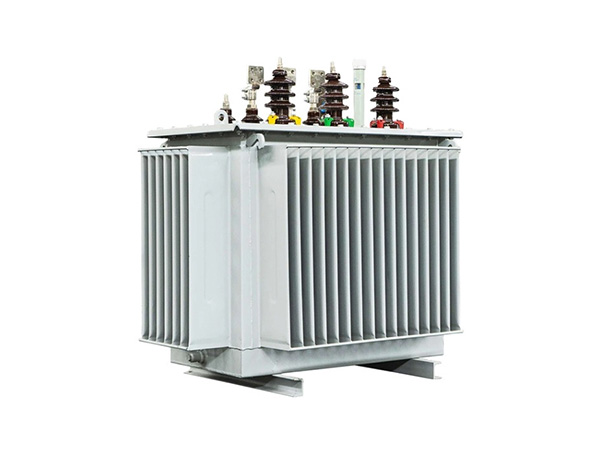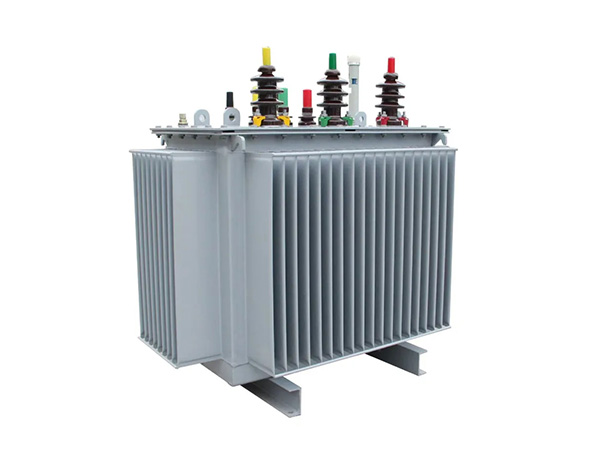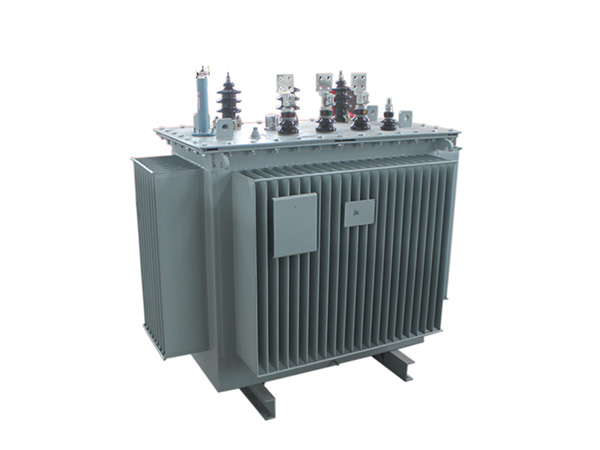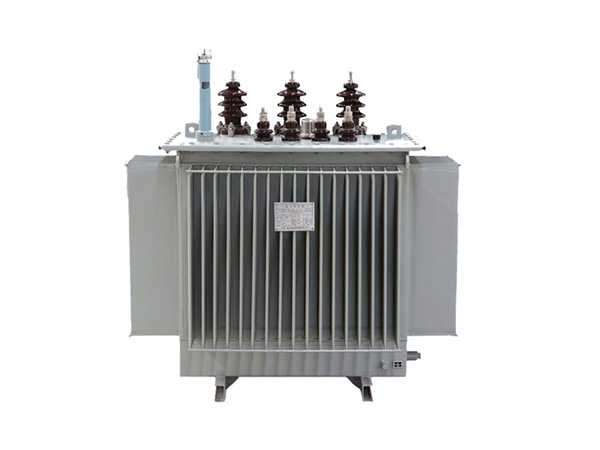






How to troubleshoot insulation drop of oil immersed transformer?
Time:2026-06-05 22:47:17 Author:zhongbei Click:72
Insulation resistance decline is a frequent hidden defect of oil immersed transformers, easily triggering insulation breakdown and short-circuit fault. Systematic troubleshooting follows inspection sequence: on-site preliminary judgment → oil test → external component inspection → internal fault confirmation & targeted handling.
1. Pre-inspection: Measure insulation resistance to locate faulty scope
Use 2.5kV megohmmeter to test insulation between high-low voltage winding, winding-to-tank respectively, compare measured value with factory data and historical records:
Overall synchronous drop of all insulation values: mostly caused by damp whole transformer or deteriorated insulating oil;
Only single-phase or partial insulation reduction: local winding damp, bushing pollution or partial internal insulation damage.
Record ambient temperature and humidity, as high humidity will temporarily lower measured insulation data.
2. Insulating oil testing (key external troubleshooting step)
Extract transformer oil sample for lab tests including dielectric strength, moisture content, acid value and sludge content:
Excessive water content in oil: Moisture invades via damaged seal, failed breather or broken desiccant; dry or replace transformer oil as solution.
High acid value & sludge precipitation: Long-term overheating accelerates oil aging, contaminates solid insulation; oil regeneration filtration or full oil replacement is required.
Coastal salt fog accelerates oil water absorption and aging, leading to continuous insulation deterioration.
3. External accessory troubleshooting
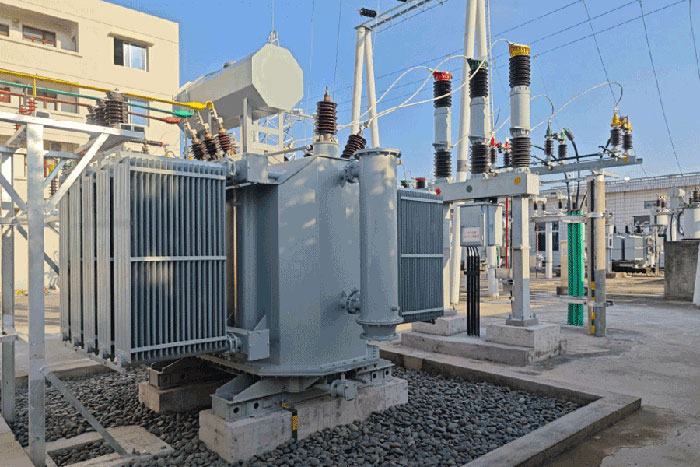
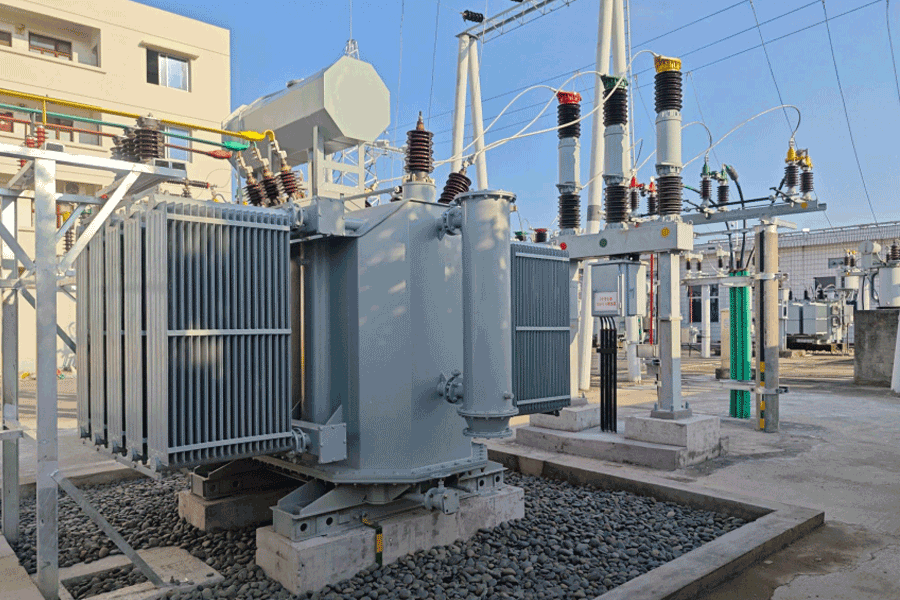
HV/LV bushings: Clean salt dirt, dust and conductive contamination on bushing surface; heavily polluted or cracked bushings need direct replacement.
External wiring & terminal insulation: Check aging, damp and cracked insulating sleeves of external leads, remove wet insulation accessories.
Breather & moisture absorber: Replace invalid saturated silica gel; fix loose sealing of respirator to stop moist air inflow.
4. Internal body troubleshooting (after eliminating above external causes)
Winding dampness: Conduct hot oil circulation drying or vacuum drying for the whole transformer, remove internal water vapor inside windings and paper insulation.
Partial winding insulation damage: Local winding shorted turn or damaged paper insulation caused by overheating or mechanical impact; need disassembly overhaul to repair damaged coils.
Core clamping insulation failure: Iron core clamping insulation damp or damaged leads scattered moisture inside tank; replace core insulation components.
5. Post-repair retest
Finish drying, cleaning or oil replacement work, stand the transformer statically for 24~48 hours, retest insulation resistance until index recovers to qualified standard.
References
APA
Phillips, J. C., & Norton, R. G. (2023). Field troubleshooting technology for decreased insulation resistance of oil-immersed distribution transformers. IEEE Electrical Insulation Magazine, 39(4), 45–52.
MLA
Phillips, John C., and Robert G. Norton. "Field Troubleshooting Technology for Decreased Insulation Resistance of Oil-Immersed Distribution Transformers." IEEE Electrical Insulation Magazine, vol. 39, no. 4, 2023, pp. 45–52,
GB/T 7714-2015
PHILLIPS J C, NORTON R G. Field troubleshooting technology for decreased insulation resistance of oil-immersed distribution transformers[J]. IEEE Electrical Insulation Magazine,2023,39(4):45-52.
MORE
-
Transformer Components Most Likely to Require Replacement
2026-07-24
-
Signs Your Transformer Oil Level Indicator Needs Replacement
2026-07-11
-
dry-type-transformers-for-commercial-buildings
2026-07-11
-
DIN Standard Porcelain Bushings: Features and Benefits
2026-07-11
-
Copper vs Aluminum Terminal Studs for Transformers
2026-07-11