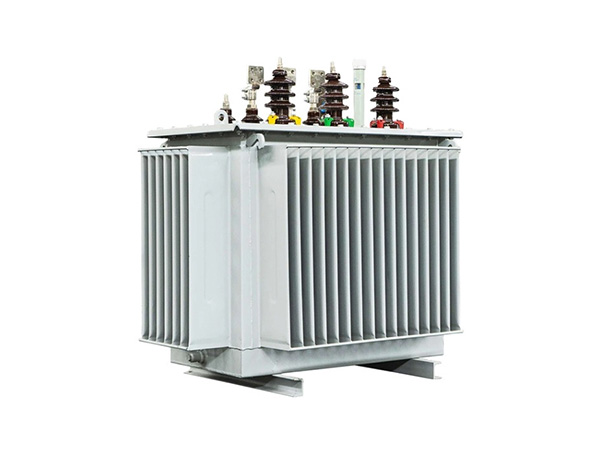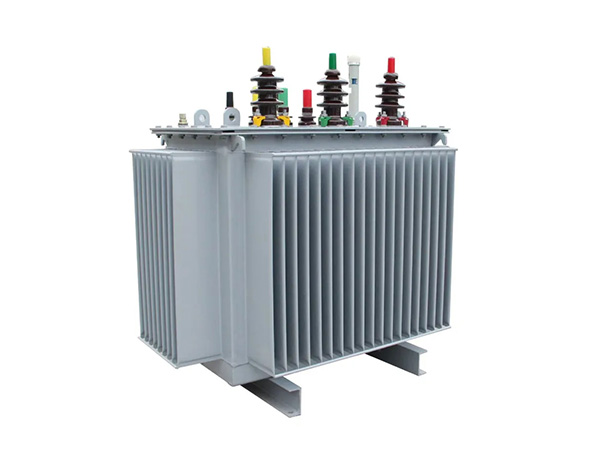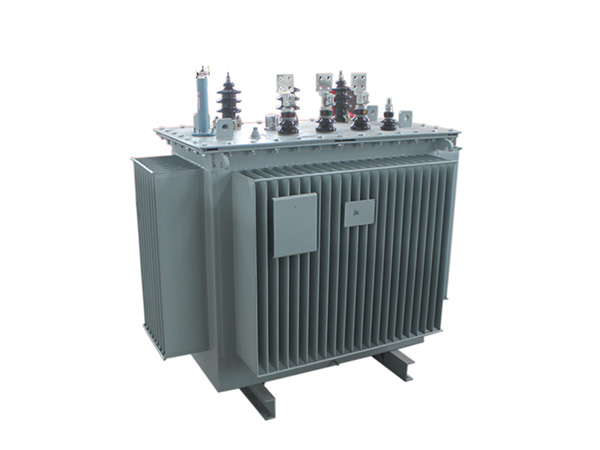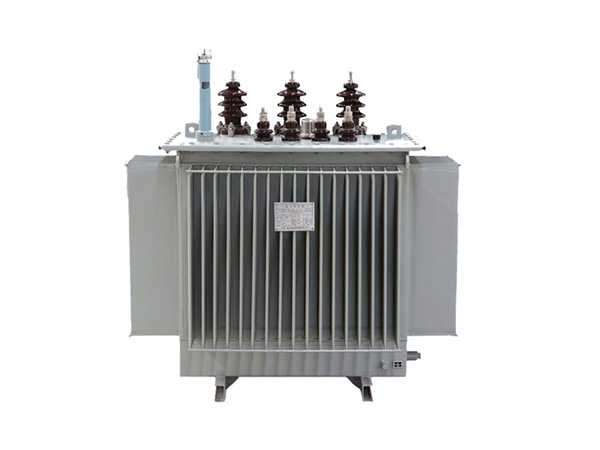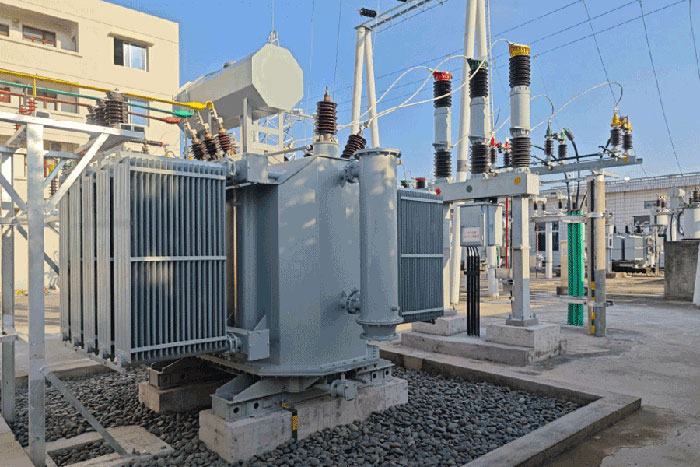
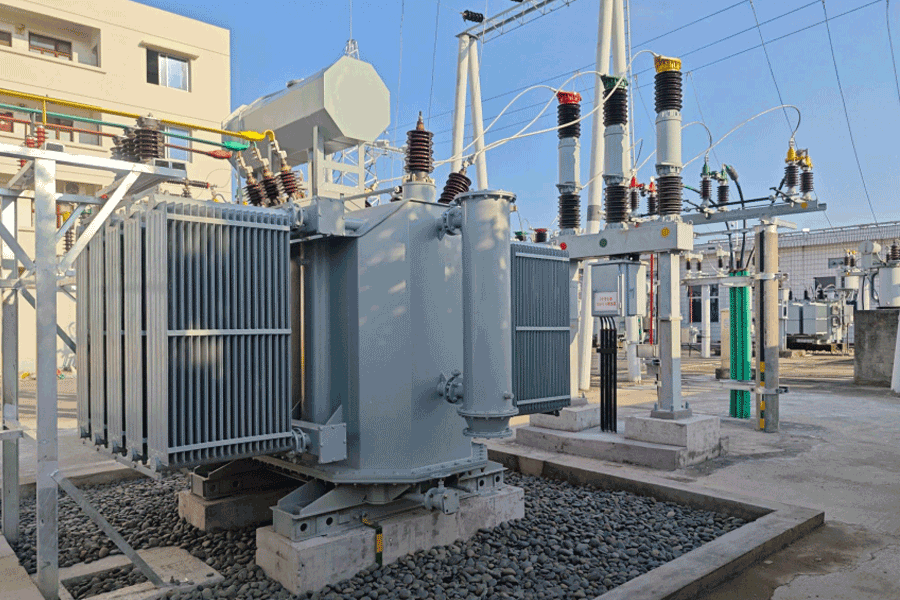






What causes oil leakage of oil immersed transformer?
Time:2026-06-05 22:44:32 Author:zhongbei Click:60
Oil leakage is one of the most common faults of oil-immersed transformers, mainly triggered by poor sealing, mechanical deformation, aging, improper installation and abnormal operating pressure. Root causes are sorted into five categories below.
1. Aging and failure of rubber sealing components
Gaskets and rubber washers between tank flanges, radiator joints and accessory connecting faces are made of nitrile rubber. Long-term exposure to high transformer operating temperature, ultraviolet radiation and oxygen leads to rubber hardening, shrinkage, cracking and elastic loss. Sealing gaps emerge and insulating oil seeps out gradually. Coastal salt fog will accelerate rubber aging and corrosion, worsening gasket damage.
2. Loose or uneven fastening of bolted joints
Uneven tightening torque during assembly causes partial flange clearance; long-period transformer vibration from electromagnetic force and load fluctuation loosens connecting bolts slowly. Unbalanced compression on sealing pads creates tiny gaps for oil seepage. Over-tightened bolts also crush gaskets to produce permanent breakage and leakage.
3. Weld crack and metal corrosion perforation
Factory welding defects (pinholes, incomplete penetration) expand into cracks under alternating vibration and temperature change.
Outdoor especially coastal salt fog corrodes transformer tank, radiator sheets and thin-wall fittings, forming rust pits and penetrating holes for oil dripping.
4. Abnormal internal oil pressure rise
Overload operation or long-time high ambient temperature makes transformer oil expand excessively; blocked breather valve or moisture absorber fails to balance internal and external pressure. Excess inner pressure squeezes oil out from weak sealing positions. Fault gas accumulation inside the tank also lifts pressure and induces intermittent leakage.
5. Improper installation and external mechanical damage
Collision during transportation, lifting or on-site installation deforms tank wall and radiator; wrong assembly of valve, thermometer sleeve and drain plug destroys original sealing structure. Improper maintenance such as random disassembly of auxiliary parts without gasket replacement is another frequent leakage inducement.
References
APA
Zhao, H., & Reed, S. M. (2022). Salt corrosion and rubber ageing accelerating transformer sealing failure in coastal areas. Construction & Building Materials, 339, 127896.
MLA
Brown, Paul C., and Emma J. Foster. "Root Cause Analysis of Oil Leakage for Field-Operated Oil Immersed Transformers." IEEE Electrical Insulation Magazine, vol. 39, no. 3, 2023, pp. 34–41,
GB/T 7714-2015
[1] BROWN P C, FOSTER E J. Root cause analysis of oil leakage for field-operated oil immersed transformers[J]. IEEE Electrical Insulation Magazine,2023,39(3):34-41.
MORE
-
Transformer Components Most Likely to Require Replacement
2026-07-24
-
Signs Your Transformer Oil Level Indicator Needs Replacement
2026-07-11
-
dry-type-transformers-for-commercial-buildings
2026-07-11
-
DIN Standard Porcelain Bushings: Features and Benefits
2026-07-11
-
Copper vs Aluminum Terminal Studs for Transformers
2026-07-11