





Causes of Transformer Tripping
Time:2026-05-14 17:14:06 Author:zhongbei Click:67
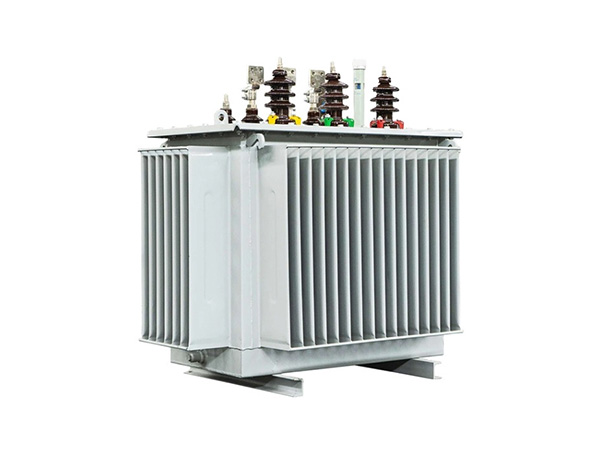
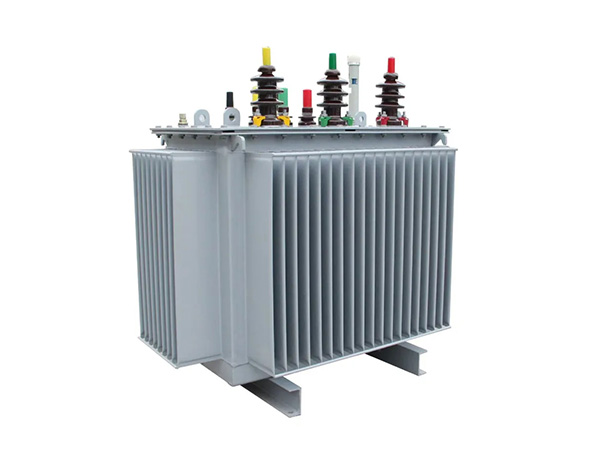
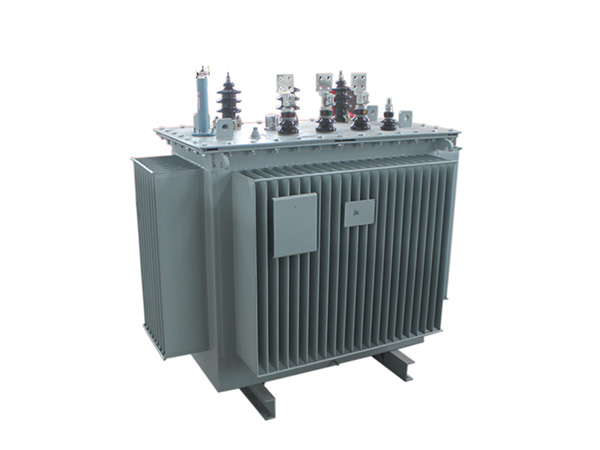
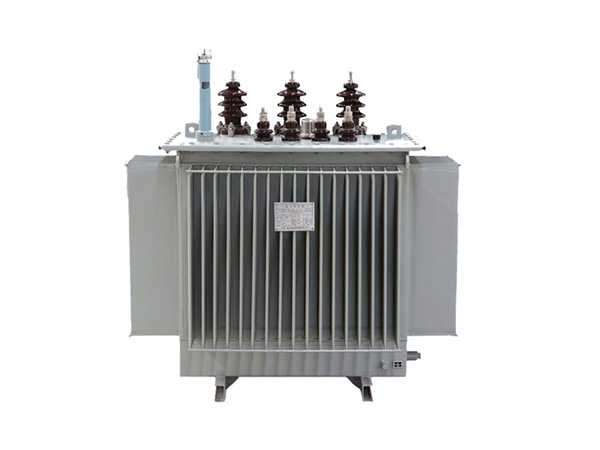
Transformer tripping is a protective action triggered by the protection device (such as circuit breaker, relay protector) when the transformer or its associated circuit has abnormal faults or dangerous working conditions. Its purpose is to cut off the power supply in time to prevent the fault from expanding and protect the transformer and the entire power system. Combined with the structural characteristics of dry-type and oil-immersed transformers mentioned earlier, the specific fault causes of transformer tripping are analyzed in detail below, which are mainly divided into internal faults of the transformer and external faults.
I. Internal Faults of Transformer (Main Cause of Tripping)
Internal faults refer to faults occurring in the core components of the transformer (windings, iron core, insulation system, etc.), which are more dangerous and often cause immediate tripping. Once such faults occur, professional inspection and maintenance are required.
1. Winding Faults (Most Common Internal Fault)
The winding is the core electrical component of the transformer, and its faults are the main cause of transformer tripping, mainly including short-circuit fault and insulation damage.
- Short-circuit fault: It includes turn-to-turn short circuit (short circuit between adjacent turns of the same winding), inter-phase short circuit (short circuit between different phase windings) and winding-to-ground short circuit (short circuit between winding and iron core or shell). The main causes are insulation aging, moisture, mechanical damage (such as loose windings leading to friction and insulation damage), partial discharge, etc. When a short-circuit fault occurs, a large short-circuit current will be generated instantly, causing the transformer to overheat sharply, and the protection device will trip immediately to cut off the power supply to avoid winding burnout or transformer explosion.
- Insulation damage: For dry-type transformers, the epoxy resin insulation layer may be damaged due to overheating, vibration or external impact; for oil-immersed transformers, the insulating oil may age, absorb moisture or be contaminated, leading to the decrease of winding insulation performance. Insulation damage will cause leakage current to increase, and when it reaches a certain value, the leakage protection device will act and trigger tripping.
2. Iron Core Faults
The iron core fault is mainly caused by insulation damage between silicon steel sheets or loose iron core, which leads to abnormal heating and triggers tripping.
- Insulation damage between silicon steel sheets: The iron core is composed of overlapping cold-rolled silicon steel sheets, and insulation paint is coated between the sheets to prevent eddy current. If the insulation paint is damaged or aging, eddy current will be generated in the iron core, causing the iron core to overheat rapidly, the temperature of the transformer to rise sharply, and the over-temperature protection device will act and trip.
- Loose iron core: If the fixing bolts of the iron core are loose or the pressing is not tight, the silicon steel sheets will vibrate violently during operation, which will not only increase the buzzing sound, but also cause local overheating of the iron core over time, and even damage the insulation between the sheets, leading to tripping.
3. Insulation System Failure
The insulation system of the transformer includes insulation medium and insulation materials. For dry-type transformers, if the epoxy resin is damp, cracked or aged, the insulation performance will decrease sharply; for oil-immersed transformers, if the insulating oil is deteriorated, emulsified, or the oil level is too low (resulting in the windings not being fully immersed in the oil), the insulation effect will be lost. These problems will cause internal discharge, overheating or leakage current exceeding the standard, and trigger the protection device to trip.
4. Internal Overheating Fault
In addition to winding and iron core faults, internal overheating can also be caused by poor heat dissipation. For dry-type transformers, if the cooling fan fails or the air duct is blocked, the heat generated by the windings and iron core cannot be dissipated in time; for oil-immersed transformers, if the cooling system (radiating fins, oil pump, cooling fan) fails, or the oil circuit is blocked, the heat dissipation effect will be greatly reduced. Long-term overheating will cause insulation aging and damage, and the over-temperature protection device will trip to protect the transformer.
II. External Faults (Indirect Cause of Tripping)
External faults refer to faults occurring in the power supply circuit or surrounding environment of the transformer, which do not directly damage the transformer itself, but will trigger the transformer protection device to trip due to abnormal current or voltage.
1. Power Supply Voltage Abnormality
- Overvoltage: When the power supply system has lightning strikes, switching overvoltage or voltage fluctuation exceeds the allowable range (more than ±5% of the rated voltage), the transformer will bear excessive voltage, which will cause the insulation system to be impacted, the leakage current to increase, and the overvoltage protection device will act and trip. Especially for dry-type transformers, the insulation medium is less resistant to overvoltage than insulating oil, and it is more likely to trip due to overvoltage.
- Undervoltage: Although undervoltage is not easy to cause transformer damage directly, if the undervoltage lasts for a long time, the current passing through the transformer will increase (to maintain the normal output power), leading to overheating of the windings, and the over-current protection device will trip.
2. External Short-Circuit Fault
Short-circuit faults in the power supply line or load side connected to the transformer (such as short circuit of the outgoing line, short circuit of the load equipment) will cause a large short-circuit current to flow through the transformer, exceeding the rated current of the transformer. The over-current protection device will trip immediately to prevent the transformer from being damaged by the large current.
3. Overload Operation
When the actual load of the transformer exceeds its rated load (i.e., overload), the current passing through the windings will increase, the copper loss and iron loss will increase sharply, and the transformer will overheat. If the overload time is too long or the overload capacity is too large, the over-load protection device will trip to avoid insulation aging and winding burnout. Common causes of overload include excessive load equipment, unbalanced three-phase load, etc.
4. Protection Device Malfunction
The transformer protection device (such as relay, circuit breaker) itself may have faults, such as wrong setting of protection parameters, damage of components, poor contact, etc. These malfunctions will cause the protection device to act incorrectly, triggering false tripping of the transformer (tripping without actual fault). This situation needs to check and calibrate the protection device in time to ensure its normal operation.
5. External Environmental Factors
- Moisture and dust: For outdoor oil-immersed transformers, if the sealing performance is poor, rainwater or moisture may enter the tank, causing insulation damage and tripping; for indoor dry-type transformers, excessive dust in the environment may block the air duct, affect heat dissipation, and lead to over-temperature tripping.
- Vibration and impact: External mechanical vibration (such as nearby construction, operation of large equipment) or impact may cause loose connections of the transformer’s incoming and outgoing lines, poor contact, and generate arc, triggering short-circuit protection tripping.
III. Summary
Transformer tripping is a protective measure to avoid fault expansion. Internal faults (such as winding short circuit, iron core overheating, insulation failure) are the main causes of tripping, which are more dangerous and require professional inspection and maintenance; external faults (such as voltage abnormality, external short circuit, overload) are indirect causes, which can be avoided by standardizing operation and regular inspection. After the transformer trips, it is necessary to first check the protection device prompt, then comprehensively inspect the internal and external conditions of the transformer, find out the fault cause, and restart the operation only after troubleshooting to ensure the safe and stable operation of the transformer.
MORE
-
Transformer Components Most Likely to Require Replacement
2026-07-24
-
Signs Your Transformer Oil Level Indicator Needs Replacement
2026-07-11
-
dry-type-transformers-for-commercial-buildings
2026-07-11
-
DIN Standard Porcelain Bushings: Features and Benefits
2026-07-11
-
Copper vs Aluminum Terminal Studs for Transformers
2026-07-11