





Causes of High No-Load Power Consumption of Transformers
Time:2026-05-14 17:14:58 Author:zhongbei Click:146
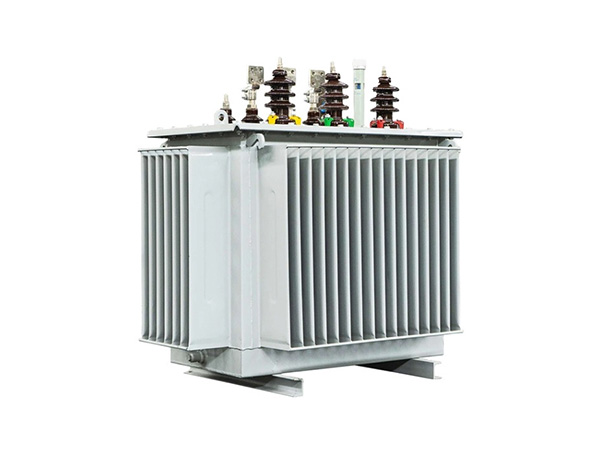
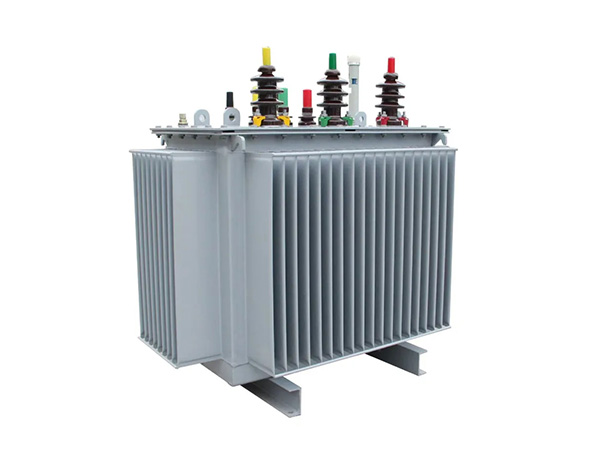
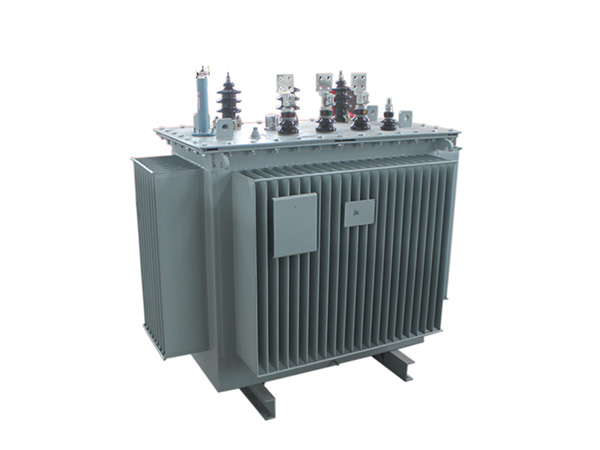
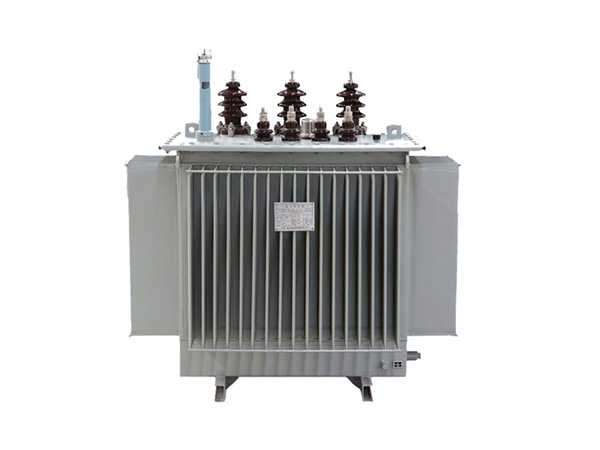
The no-load power consumption of a transformer (also known as no-load loss) refers to the power consumed by the transformer when it is connected to the power supply side, the secondary side is open-circuited, and it is in a no-load operation state. This part of the power consumption is mainly composed of iron loss (including hysteresis loss and eddy current loss) and a small amount of copper loss (caused by no-load current). Normally, the no-load power consumption of a transformer is stable and accounts for a small proportion of its rated power. If the no-load power consumption is significantly higher than the rated value, it indicates that there may be faults or unreasonable factors in the transformer. Combined with the structural characteristics of dry-type and oil-immersed transformers mentioned earlier, the specific causes are analyzed in detail below.
I. Normal Factors Affecting No-Load Power Consumption (Within Allowable Range)
Some factors will cause a slight increase in no-load power consumption, which is within the normal allowable range and does not belong to equipment faults, but needs to be paid attention to in daily operation.
1. Influence of Power Supply Voltage
The no-load power consumption of the transformer is positively correlated with the square of the power supply voltage. If the input voltage of the transformer is higher than the rated voltage (exceeding the allowable fluctuation range of ±5%), the magnetic flux density in the iron core will increase significantly, which will greatly increase the hysteresis loss and eddy current loss of the iron core, leading to an increase in no-load power consumption. For example, when the power supply voltage is 10% higher than the rated voltage, the no-load power consumption may increase by about 20% - 25%.
2. Influence of Ambient Temperature
The no-load power consumption of the transformer is slightly affected by the ambient temperature. In a low-temperature environment, the resistance of the iron core and winding will decrease slightly, and the eddy current loss will increase slightly, resulting in a small increase in no-load power consumption. This change is usually small and does not affect the normal operation of the transformer.
3. New Transformer Running-In Period
For newly installed transformers, there is a certain running-in period (usually 1-2 weeks). During the running-in period, the insulation material of the iron core and winding is not fully stabilized, and the magnetic properties of the silicon steel sheet are not fully exerted, which may lead to a slight increase in no-load power consumption. After the running-in period, the no-load power consumption will gradually return to the rated value.
II. Abnormal Factors Causing High No-Load Power Consumption (Need to Be Handled Timely)
If the no-load power consumption of the transformer is significantly higher than the rated value (exceeding 10% of the rated no-load loss), it is usually caused by equipment faults or improper maintenance, which needs to be inspected and handled in time to avoid increasing energy consumption and damaging the transformer.
1. Iron Core Faults (Main Cause of Abnormal No-Load Power Consumption)
The iron core is the main part generating no-load loss. Most abnormal no-load power consumption is related to iron core faults, mainly including the following situations:
- Insulation damage between silicon steel sheets: The iron core of the transformer is composed of overlapping cold-rolled silicon steel sheets, and insulation paint is coated between the sheets to isolate the silicon steel sheets from each other and prevent the generation of eddy current (eddy current loss is an important part of iron loss). If the insulation paint is damaged, aged, or not coated uniformly during manufacturing, eddy current will be generated in the iron core, making the eddy current loss increase sharply, and the no-load power consumption will rise significantly. This situation is often accompanied by local overheating of the iron core and an increase in the buzzing sound of the transformer.
- Loose iron core or poor pressing: If the iron core is not pressed tightly during manufacturing, or the fixing bolts of the iron core are loose during long-term operation, the gap between the silicon steel sheets will increase. When the transformer is in no-load operation, the magnetic flux will leak in the gap, increasing the hysteresis loss and eddy current loss, and leading to an increase in no-load power consumption. At the same time, the loose iron core will also cause violent vibration and louder buzzing sound.
- Iron core magnetization saturation: If the power supply voltage is too high for a long time, or the iron core material does not meet the standard (such as low-grade silicon steel sheet), the iron core will be in a magnetization saturation state. At this time, the hysteresis loss will increase sharply, and the no-load power consumption will also increase significantly. Long-term magnetization saturation will also accelerate the aging of the iron core insulation and reduce the service life of the transformer.
2. Winding Faults
Although the no-load current of the transformer is small (usually 2% - 5% of the rated current), winding faults can still cause an increase in no-load power consumption:
- Winding insulation damage or damp: For dry-type transformers, if the epoxy resin insulation layer is damp, cracked, or aged, the insulation performance will decrease, and leakage current will be generated in the winding during no-load operation, increasing the copper loss of the winding and thus increasing the no-load power consumption. For oil-immersed transformers, if the insulating oil is damp, emulsified, or contaminated, the winding insulation will be damaged, leading to the same problem.
- Winding turn-to-turn short circuit (minor): If there is a minor turn-to-turn short circuit in the winding (a small number of adjacent turns are short-circuited), the no-load current will increase slightly, and the copper loss will increase, resulting in an increase in no-load power consumption. This kind of fault is difficult to find in the early stage, but it will gradually deteriorate, leading to more serious faults such as inter-phase short circuit.
3. Poor Manufacturing Quality
If the transformer has poor manufacturing quality, it will also lead to high no-load power consumption from the source:
- The iron core material does not meet the requirements: Using low-quality silicon steel sheets (such as low silicon content, poor magnetic properties) will lead to high hysteresis loss and eddy current loss, making the no-load power consumption higher than the rated value.
- Improper winding process: During the winding process, the winding turns are not uniform, or the insulation between turns is not good, which will cause local magnetic flux concentration, increase the iron loss, and lead to high no-load power consumption.
- Poor sealing performance (oil-immersed transformer): If the oil tank of the oil-immersed transformer has poor sealing performance, moisture and impurities will enter the tank, causing the insulating oil to deteriorate and the iron core and winding insulation to be damaged, thus increasing the no-load power consumption.
4. Improper Maintenance and Operation
Improper maintenance and operation during the service life of the transformer will also lead to an increase in no-load power consumption:
- Lack of regular maintenance: For oil-immersed transformers, if the insulating oil is not sampled, tested and replaced regularly, the insulating oil will age, emulsify and absorb moisture, leading to insulation damage of the iron core and winding and increased no-load power consumption. For dry-type transformers, if the surface of the iron core and winding is covered with a lot of dust, the heat dissipation effect will be affected, and the iron loss will increase slightly.
- Long-term overvoltage operation: If the transformer is in a long-term overvoltage operation state (such as the power supply voltage is always higher than the rated voltage), the magnetic flux density of the iron core will be too high, the iron loss will increase for a long time, and the no-load power consumption will remain high, which will also accelerate the aging of the insulation system.
5. Other Abnormal Factors
- Foreign objects attached to the iron core: If metal foreign objects (such as iron filings, copper wires) enter the transformer and adhere to the iron core, eddy current will be generated in the foreign objects, increasing the no-load power consumption. This situation is mostly caused by poor sealing during manufacturing or maintenance.
- Three-phase voltage imbalance: If the three-phase input voltage of the transformer is unbalanced, the magnetic flux of the iron core will be unbalanced, leading to an increase in iron loss and no-load power consumption. At the same time, it will also cause the no-load current to be unbalanced.
III. Summary
The no-load power consumption of the transformer is mainly determined by the iron loss. Slight fluctuations caused by factors such as power supply voltage and ambient temperature are normal. If the no-load power consumption is significantly higher than the rated value, it is mostly caused by iron core faults (insulation damage between silicon steel sheets, loose iron core), winding faults, poor manufacturing quality or improper maintenance. Timely inspection and handling of these abnormal factors can not only reduce energy consumption, but also avoid further damage to the transformer and ensure its safe and stable operation. After finding that the no-load power consumption is too high, it is necessary to first check the power supply voltage, then inspect the iron core and winding, and eliminate the fault step by step.
MORE
-
Transformer Components Most Likely to Require Replacement
2026-07-24
-
Signs Your Transformer Oil Level Indicator Needs Replacement
2026-07-11
-
dry-type-transformers-for-commercial-buildings
2026-07-11
-
DIN Standard Porcelain Bushings: Features and Benefits
2026-07-11
-
Copper vs Aluminum Terminal Studs for Transformers
2026-07-11