





Causes of Transformer Buzzing
Time:2026-05-14 17:09:30 Author:zhongbei Click:113
Transformer buzzing is a common phenomenon during operation, which is mainly caused by magnetic and mechanical vibrations. It can be divided into normal buzzing and abnormal buzzing. The specific causes are analyzed in detail below, combined with the structural characteristics of dry-type and oil-immersed transformers mentioned earlier.
I. Normal Buzzing (Harmless, Normal Operation)
Normal transformer buzzing is a low-decibel, uniform and stable sound, which is an inevitable result of the transformer’s electromagnetic conversion process and does not affect the safe operation of the equipment.
1. Magnetostriction of Iron Core (Main Cause of Normal Buzzing)
The iron core of the transformer is made of cold-rolled silicon steel sheets. When alternating current passes through the windings, an alternating magnetic field is generated, which causes the silicon steel sheets to undergo periodic expansion and contraction (this phenomenon is called magnetostriction). The frequency of this expansion and contraction is twice the frequency of the power supply (50Hz power supply corresponds to 100Hz vibration), and the vibration of the silicon steel sheets drives the surrounding air to vibrate, thereby producing a uniform buzzing sound.
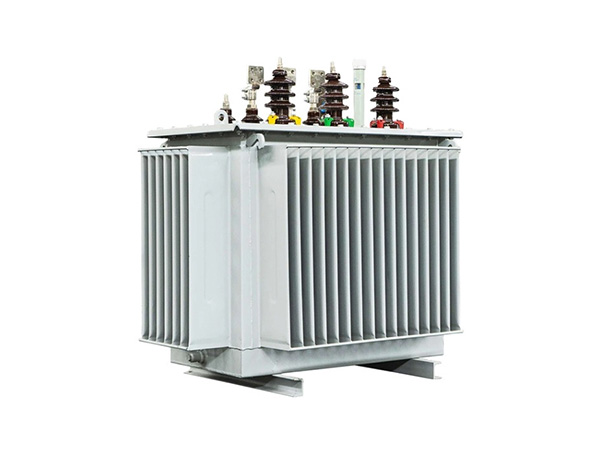
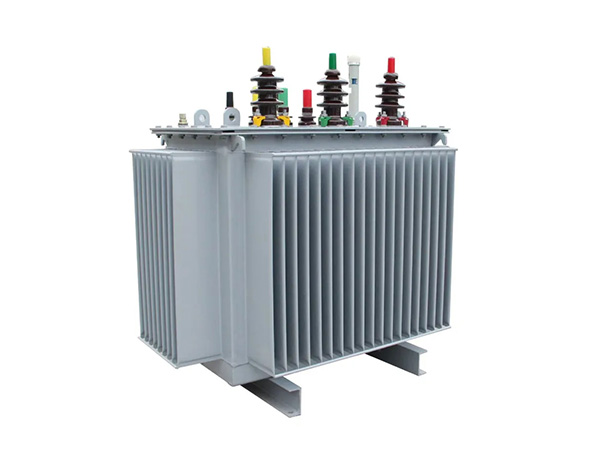
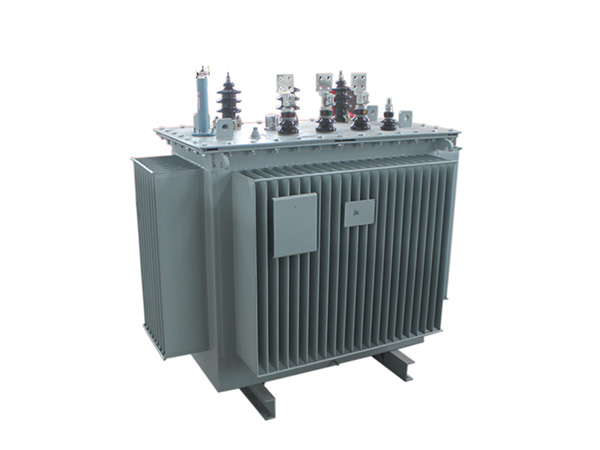
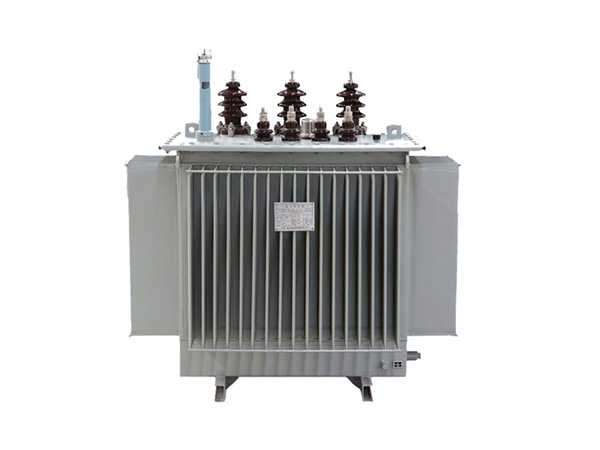
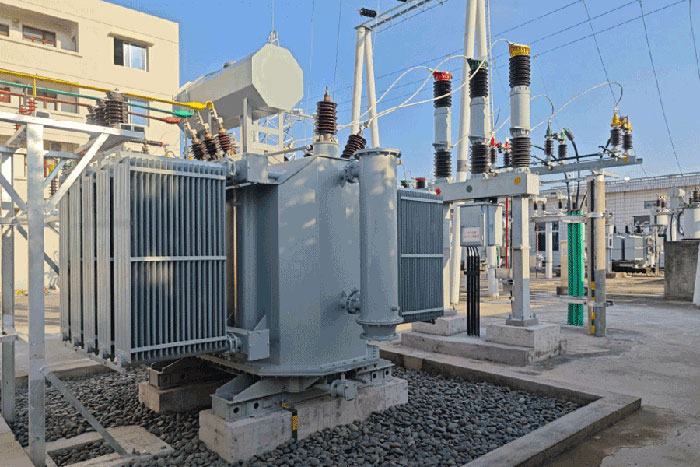
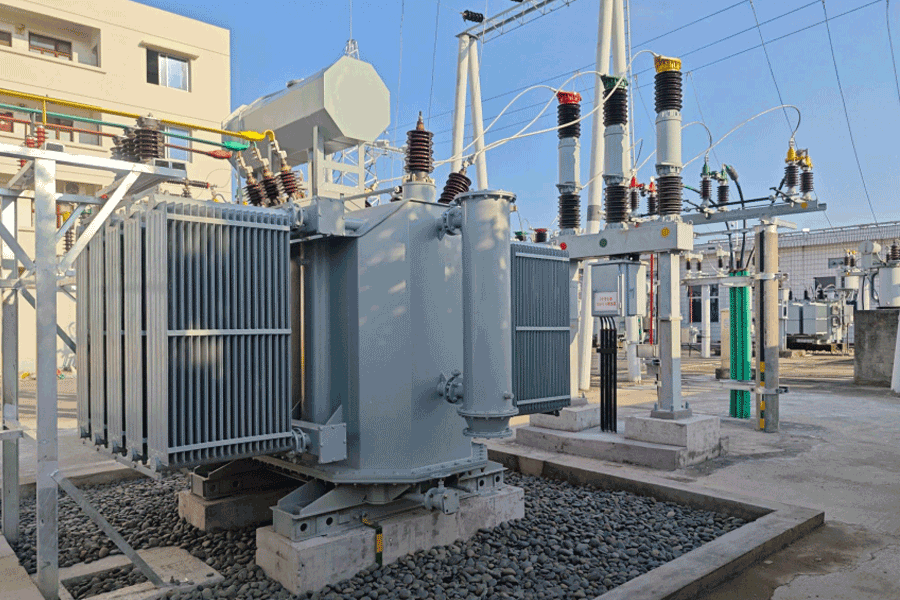
This kind of buzzing is more obvious in oil-immersed transformers because the vibration of the iron core is transmitted to the oil tank and radiating fins, amplifying the sound; dry-type transformers have a relatively compact structure, and the buzzing sound is slightly lower (50-60 decibels) than that of oil-immersed transformers (60-70 decibels).
2. Vibration of Windings
When the transformer is working, the windings are subjected to the electromagnetic force generated by the alternating magnetic field, which will produce slight vibration. This vibration is transmitted to the shell (dry-type transformer) or oil tank (oil-immersed transformer), and together with the vibration of the iron core, forms the overall buzzing sound of the transformer. Under normal conditions, the winding vibration is small, so it will not cause excessive noise.
3. Influence of Power Supply Voltage
If the input voltage of the transformer is slightly higher than the rated voltage, the magnetic flux density in the iron core will increase, which will enhance the magnetostriction effect of the silicon steel sheets, and the buzzing sound will be slightly louder. This situation is still within the normal range as long as the voltage does not exceed the allowable fluctuation range (generally ±5% of the rated voltage).
II. Abnormal Buzzing (Harmful, Need to Be Handled Timely)
Abnormal buzzing is characterized by loud sound, uneven volume, harsh noise (such as "crackling", "roaring") or sudden increase in sound, which indicates that there may be faults or hidden dangers in the transformer, and timely inspection and handling are required.
1. Loose Iron Core or Silicon Steel Sheets
The iron core of the transformer is formed by overlapping and pressing multiple silicon steel sheets. If the pressing is not tight, or the fixing bolts of the iron core are loose during long-term operation, the silicon steel sheets will vibrate more violently under the action of the alternating magnetic field, resulting in a sharp increase in buzzing sound. In severe cases, it may also cause the iron core to overheat, affecting the insulation performance of the transformer.
2. Loose Windings
Due to factors such as long-term operation, temperature change, vibration or short-circuit impact, the windings may become loose. The loose windings will produce larger vibration under the action of electromagnetic force, and the buzzing sound will become uneven and harsh. If not handled in time, the loose windings may rub against each other, leading to insulation damage and short-circuit faults.
3. Insulation Deterioration or Partial Discharge
For oil-immersed transformers, if the insulating oil absorbs moisture, impurities or ages, the insulation performance will decrease, and partial discharge may occur inside the transformer. Partial discharge will produce a "crackling" sound mixed with buzzing, and the overall noise will become harsh. For dry-type transformers, if the epoxy resin insulation layer is damaged or damp, partial discharge will also occur, leading to abnormal buzzing.
4. Overload Operation
When the transformer is overloaded (the actual load exceeds the rated load), the current passing through the windings will increase, the copper loss and iron loss will increase sharply, the temperature of the windings and iron core will rise, the magnetic flux density will increase, and the magnetostriction effect will be enhanced. At this time, the buzzing sound will become significantly louder, and it may be accompanied by overheating of the equipment. Long-term overload will seriously affect the service life of the transformer.
5. Faults in Auxiliary Components
- For oil-immersed transformers: If the oil level is too low, the insulating oil cannot fully immerse the windings and iron core, which will cause uneven heat dissipation and abnormal vibration; if the cooling fan, oil pump (forced oil circulation type) fails, the heat dissipation effect will decrease, leading to overheating and increased buzzing; if the oil tank or radiating fins are loose, the vibration will be amplified, and the buzzing sound will be louder.
- For dry-type transformers: If the cooling fan is loose, faulty or runs abnormally, the vibration will increase, and abnormal buzzing may occur; if the shell is loose or deformed, it will also amplify the vibration sound.
6. External Factors
The transformer is affected by external factors such as nearby mechanical equipment vibration, loose fixing brackets, or foreign objects attached to the shell (oil tank) and radiating fins, which will also cause abnormal buzzing. For example, if the fixing bolts of the transformer base are loose, the whole transformer will vibrate violently, and the buzzing sound will be significantly enhanced.
III. Summary
The normal buzzing of the transformer is mainly caused by the magnetostriction of the iron core and the slight vibration of the windings, which is uniform and stable and does not need to be handled. If the buzzing sound becomes loud, uneven, harsh or suddenly increases, it is usually caused by faults such as loose iron core, loose windings, insulation deterioration, overload or failure of auxiliary components. At this time, it is necessary to stop the machine for inspection in time to avoid further damage to the transformer.
MORE
-
Transformer Components Most Likely to Require Replacement
2026-07-24
-
Signs Your Transformer Oil Level Indicator Needs Replacement
2026-07-11
-
dry-type-transformers-for-commercial-buildings
2026-07-11
-
DIN Standard Porcelain Bushings: Features and Benefits
2026-07-11
-
Copper vs Aluminum Terminal Studs for Transformers
2026-07-11