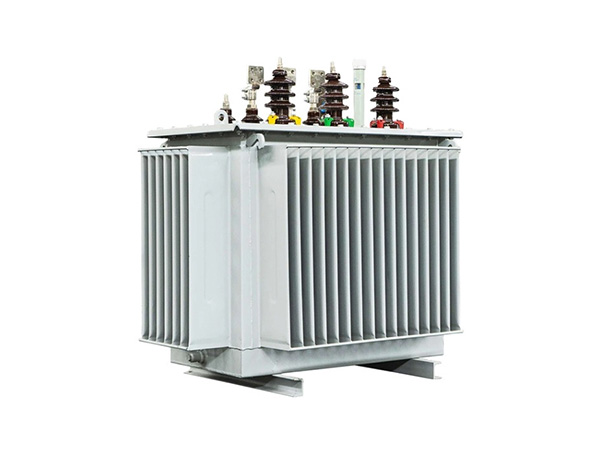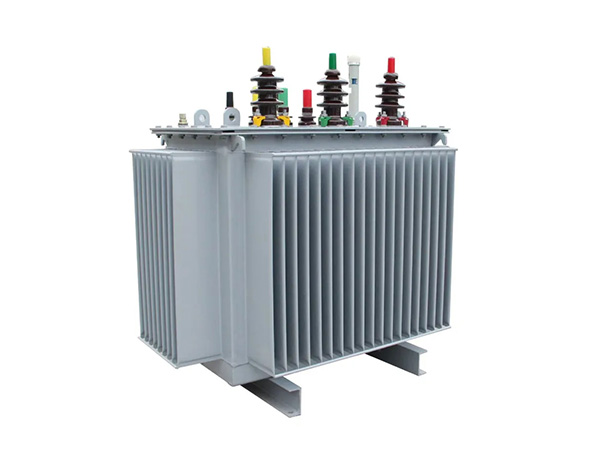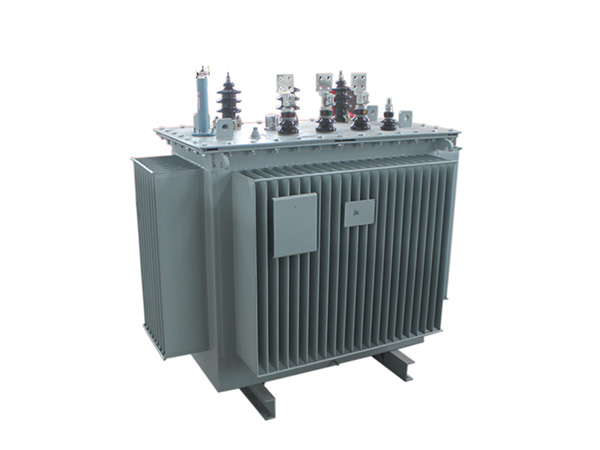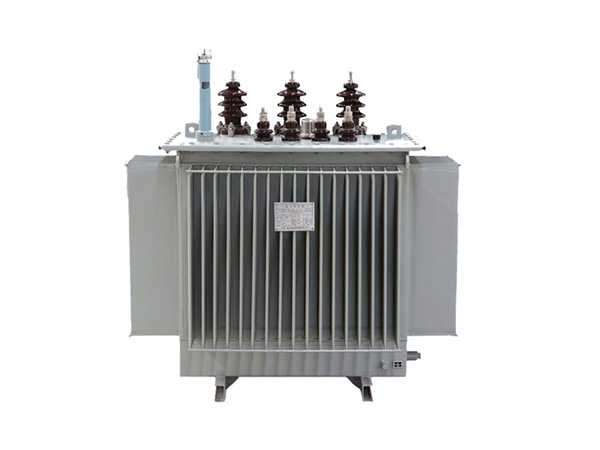






Troubleshooting Local Overheating of Oil-Immersed Transformers
Time:2026-06-07 21:51:17 Author:zhongbei Click:111
Local overheating is a typical abnormal operating condition. It accelerates insulation aging, deteriorates insulating oil and may trigger protection tripping or even equipment failure. The troubleshooting follows a logical sequence: on-site observation → external inspection → parameter testing → internal diagnosis → root cause rectification.
1. Pre-Inspection Preparation & Basic Judgment
First record operating data including load current, three-phase voltage, overall oil temperature and ambient temperature. Stop overload operation immediately. For obvious high-temperature areas, use infrared thermal imager to locate overheating points accurately.
General standard: The temperature difference between local parts and normal areas shall not exceed 15°C. Once abnormal overheating is confirmed, reduce load or shut down for inspection as required.
2. External Component Inspection (Priority Check)
2.1 Bushings and Connection Terminals
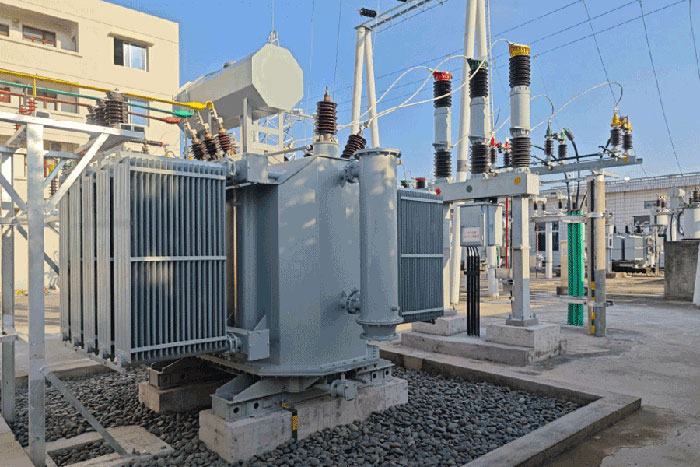
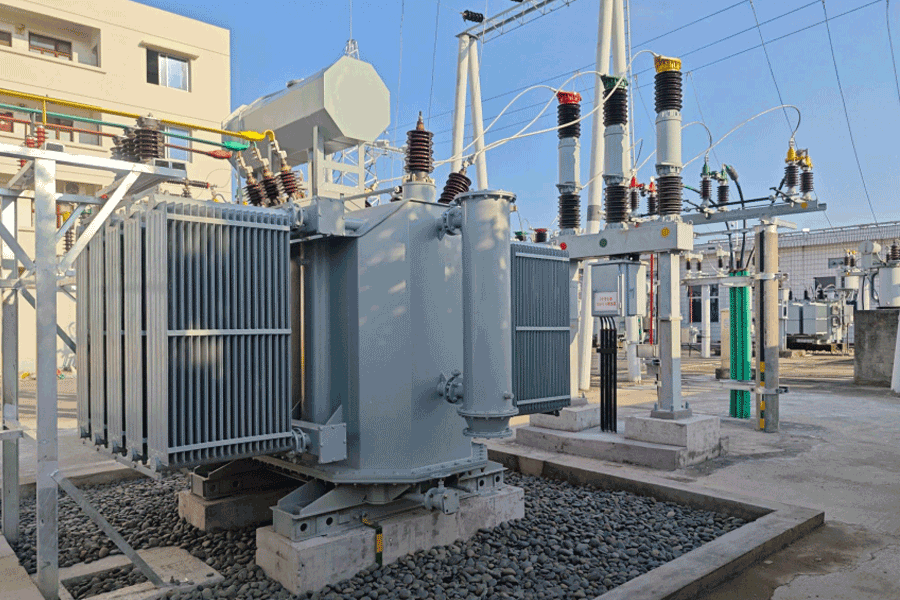
Loose, oxidized or poorly contacted wire terminals generate heat due to contact resistance. Check all high-voltage and low-voltage bushings, lead connectors and busbars. Tighten loose bolts, polish oxidized surfaces and replace severely damaged connecting fittings.
2.2 Radiators and Cooling System
Blocked radiators, accumulated dust or deformed fins hinder heat dissipation, leading to local high temperature. Clean dirt and oil sludge on radiators thoroughly. For transformers with forced cooling fans, verify fans run normally and check for stalling or abnormal noise.
2.3 Tank Surface and Accessories
Inspect welds, reinforcing ribs and mounting brackets. Poor welding or abnormal eddy current may cause local overheating on the tank wall. Check pressure relief valves, oil level gauges and other accessories for abnormal heating caused by installation defects.
3. Circuit and Load Inspection
3.1 Three-Phase Load Imbalance
Severe three-phase current unbalance causes overheating of the heavily loaded phase. Redistribute single-phase loads to keep the current unbalance rate below 10%. Avoid long-term concentrated operation of large single-phase loads.
3.2 Harmonic Current
Excessive harmonics from rectifiers, frequency converters and other equipment increase additional loss and local heating. Install harmonic suppression devices or optimize the power supply scheme to reduce harmonic interference.
4. Oil Quality and Oil Circulation Check
4.1 Insulating Oil Status
Aging, damp or contaminated oil reduces heat conduction performance. Take oil samples to test moisture content, acid value and dielectric strength. Replace unqualified oil and conduct oil purification treatment.
4.2 Unsmooth Oil Circulation
Blocked oil passages, insufficient oil level or local oil stagnation lead to poor heat transfer. Check the overall oil level, clear internal blockages, and ensure natural oil circulation inside the tank is unobstructed.
5. Internal Fault Diagnosis (After Power Cut)
If external parts are normal, cut off power, discharge residual electricity and carry out internal inspection and tests.
5.1 Tap Changer Malfunction
Inconsistent three-phase tap positions, poor contact or internal wear of tap changers cause local overheating. Re-align tap positions, measure DC resistance of each phase, and repair or replace faulty tap changers.
5.2 Winding Defects
Inter-turn short circuit, loose winding or deformed coil will produce concentrated heat. Test winding DC resistance, transformation ratio and insulation resistance. Arrange overhaul if test data exceeds the standard.
5.3 Iron Core Abnormality
Multi-point grounding of the iron core or insulation damage between core sheets increases eddy current loss and causes core overheating. Carry out special grounding and insulation tests for the iron core to eliminate hidden troubles.
6. Post-Processing and Daily Prevention
After troubleshooting, run the transformer with no load first, then gradually restore the rated load. Continuously monitor temperature and operating status for 24 hours.
Strengthen routine infrared temperature measurement patrols, regularly maintain cooling systems and oil quality, and control load and harmonics to prevent recurring local overheating.
References
APA 7th Edition
Wang, H., & Zhang, Q. (2024). Fault diagnosis and troubleshooting of local overheating in oil-immersed power transformers. IEEE Access, 12, 56712-56720.
International Electrotechnical Commission. (2018). Power transformers – Part 7: Loading guide (IEC 60076-7:2018).
Li, M., & Chen, Y. (2023). Application of infrared temperature measurement technology in transformer overheating defect detection. High Voltage Engineering, 49(6), 2112-2119.
MLA 9th Edition
Wang, Hao, and Qiang Zhang. "Fault Diagnosis and Troubleshooting of Local Overheating in Oil-Immersed Power Transformers." IEEE Access, vol. 12, 2024, pp. 56712-56720,
International Electrotechnical Commission. Power Transformers – Part 7: Loading Guide, IEC 60076-7:2018, 2018.
Li, Ming, and Yong Chen. "Application of Infrared Temperature Measurement Technology in Transformer Overheating Defect Detection." High Voltage Engineering, vol. 49, no. 6, 2023, pp. 2112-2119.
IEEE Style
H. Wang and Q. Zhang, "Fault diagnosis and troubleshooting of local overheating in oil-immersed power transformers," IEEE Access, vol. 12, pp. 56712-56720,
International Electrotechnical Commission, Power transformers – Part 7: Loading guide, IEC Standard 60076-7:2018, 2018.
M. Li and Y. Chen, "Application of infrared temperature measurement technology in transformer overheating defect detection," High Volt. Eng., vol. 49, no. 6, pp. 2112-2119, 2023.
MORE
-
Transformer Components Most Likely to Require Replacement
2026-07-24
-
Signs Your Transformer Oil Level Indicator Needs Replacement
2026-07-11
-
dry-type-transformers-for-commercial-buildings
2026-07-11
-
DIN Standard Porcelain Bushings: Features and Benefits
2026-07-11
-
Copper vs Aluminum Terminal Studs for Transformers
2026-07-11