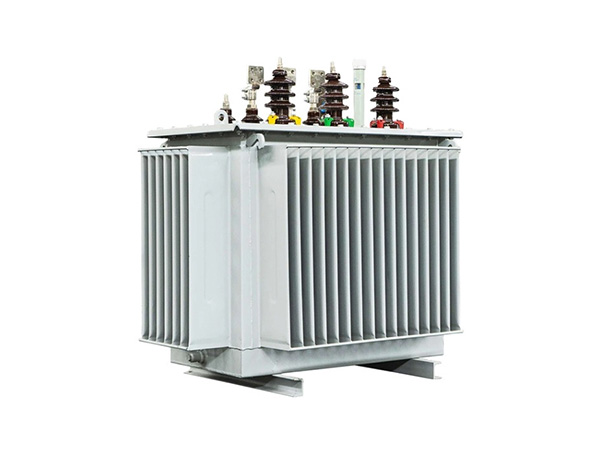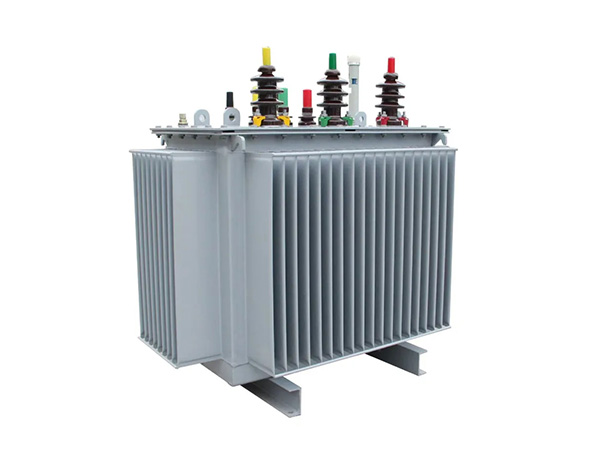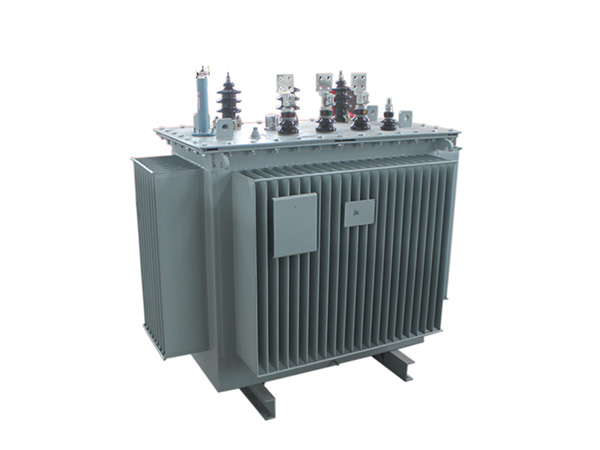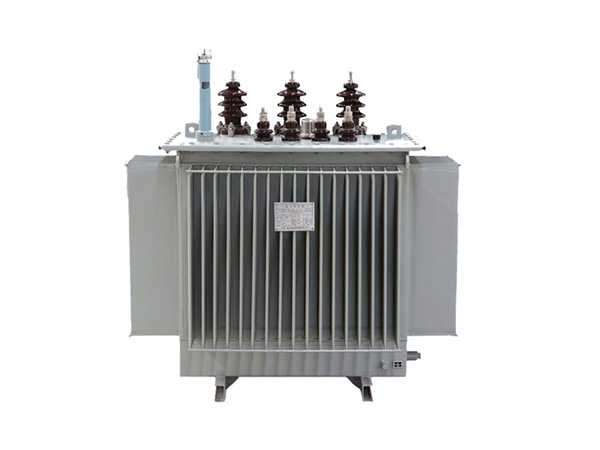






How to Solve Three-Phase Current Unbalance of Oil-Immersed Transformers
Time:2026-06-07 21:50:19 Author:zhongbei Click:138
Three-phase current unbalance is a common operating fault. Severe unbalance will increase loss, cause local overheating, damage insulation and trigger protection tripping. The solution follows the steps of fault inspection, root cause analysis and targeted rectification, and differentiates treatment schemes according to external load faults and internal equipment faults.
1. Preliminary Judgment & Safety Preparation
First record the three-phase current, voltage and load data. Conduct lockout-tagout and full discharge before internal inspection to ensure operation safety. The standard requirement: the unbalance rate of three-phase current shall not exceed 10% under normal operation.
2. Troubleshoot External Load & Circuit Faults (Most Common Causes)
2.1 Uneven single-phase load distribution
Low-voltage side usually supplies single-phase power. Excessive single-phase load on one phase is the main reason for current unbalance.
Redistribute single-phase electrical equipment evenly to each phase to balance the load.
Avoid connecting large-power single-phase loads to a single phase for a long time.
2. Abnormal external lines and faults
Check low-voltage outgoing cables, connectors and terminal blocks: deal with loose wiring, oxidation and poor contact, which will cause abnormal phase current.
Inspect for phase-to-ground leakage, partial short circuit or line aging on the load side; isolate and repair faulty circuits in time.
2. Fault of single-phase electrical equipment
If individual electrical appliances have internal faults, they will lead to abnormal current of the connected phase. Cut off the power of faulty equipment and carry out maintenance.
3. Inspect Transformer Internal Defects
If the external load and lines are normal while unbalance still exists, check internal problems:
3.1 Tap position inconsistency
For off-circuit tap changers, the three-phase tap positions may be inconsistent after gear adjustment, resulting in unequal turns ratio and unbalanced current.
Cut off power, recheck and align the tap position of three phases.
Measure three-phase DC resistance to verify good contact.
3.2 Winding failure
Winding inter-turn short circuit, insulation damage or winding parameter deviation will cause serious current unbalance.
Test three-phase DC resistance and transformation ratio. If the data exceeds the standard, arrange overhaul.
3.3 Core and grounding anomaly
Multi-point grounding of iron core or internal stray faults will also induce unbalanced current. Carry out comprehensive insulation and grounding tests for diagnosis.
4. Operation Adjustment & Daily Management
Control neutral current: Excessive neutral current indicates severe three-phase load unbalance; limit the neutral current within the allowable range.
Do not run with long-term severe unbalance: It will raise winding temperature, accelerate oil aging and shorten service life.
Strengthen routine patrol: Monitor three-phase current, temperature and noise in real time, and eliminate hidden dangers early.
5. Special Handling for Special Scenarios
For sites that cannot fully balance single-phase loads temporarily, control the maximum unbalance rate below 10%, and properly reduce the total load to prevent overheating. If internal winding failure is confirmed, stop operation immediately for professional maintenance instead of continuous running.
References
APA 7th Edition
Chen, L., & Wu, T. (2023). Analysis and treatment of three-phase current unbalance for distribution transformers. IEEE Access, 11, 72341-72348.
International Electrotechnical Commission. (2020). Power transformers – Part 3: Insulation levels, dielectric tests and external clearances in air (IEC 60076-3:2020).
Zhou, Y., & Gao, F. (2022). Influence and control measures of three-phase unbalanced load on oil-immersed transformers. Electrical Measurement & Instrumentation, 59(7), 68-74.
MLA 9th Edition
Chen, Lin, and Tao Wu. "Analysis and Treatment of Three-Phase Current Unbalance for Distribution Transformers." IEEE Access, vol. 11, 2023, pp. 72341-72348,
International Electrotechnical Commission. Power Transformers – Part 3: Insulation Levels, Dielectric Tests and External Clearances in Air (IEC 60076-3:2020), IEC, 2020.
Zhou, Yang, and Feng Gao. "Influence and Control Measures of Three-Phase Unbalanced Load on Oil-Immersed Transformers." Electrical Measurement & Instrumentation, vol. 59, no. 7, 2022, pp. 68-74.
IEEE Style
L. Chen and T. Wu, "Analysis and treatment of three-phase current unbalance for distribution transformers," IEEE Access, vol. 11, pp. 72341-72348,
International Electrotechnical Commission, Power transformers – Part 3: Insulation levels, dielectric tests and external clearances in air, IEC Standard 60076-3:2020, 2020.
Y. Zhou and F. Gao, "Influence and control measures of three-phase unbalanced load on oil-immersed transformers," Electr. Meas. Instrum., vol. 59, no. 7, pp. 68-74, 2022.
MORE
-
Transformer Components Most Likely to Require Replacement
2026-07-24
-
Signs Your Transformer Oil Level Indicator Needs Replacement
2026-07-11
-
dry-type-transformers-for-commercial-buildings
2026-07-11
-
DIN Standard Porcelain Bushings: Features and Benefits
2026-07-11
-
Copper vs Aluminum Terminal Studs for Transformers
2026-07-11