




-
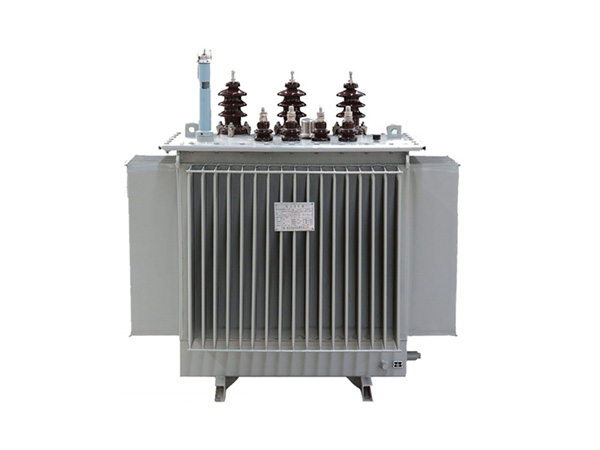
How to Repair Stuck or Malfunctioning Pointer-Type Oil Level Gauge of Oil-Immersed Transformers
Pointer-type oil level gauges mounted on the oil conservator often suffer from stalling, inaccurate readings or complete failure, mainly caused by accumulated oil sludge, dust contamination, blocked transmission mechanism...
2026-06
-
Dust Prevention Measures for Oil-Immersed Transformers in Sandy and Dusty Areas
Sandy and dusty environments bring risks such as surface contamination, radiator clogging, insulation creepage and component wear to oil-immersed transformers. Targeted structural optimization, daily maintenance and techn...
2026-06
-
Construction Procedures and Safety Points for Replacing Old Oil-Immersed Transformers
Replacing old transformers involves power cut, site preparation, removal, installation, oil treatment, testing and commissioning. Strict construction steps and safety rules must be followed to avoid personal injury and eq...
2026-06
-
Is It Normal for the Tank of an Oil‑Immersed Transformer to Get Hot During Operation?
It is normal for the outer tank of an oil‑immersed transformer to feel warm or hot during steady operation. Heat comes mainly from core losses (hysteresis and eddy currents) and winding copper losses (I²R heating under...
2026-06
-

Emergency Handling for Short-Circuit Faults of Dry-Type Transformers
Short-circuit faults occur when abnormal current surges damage windings, insulation and accessories. Standard emergency procedures shall be followed to ensure personnel safety, stop fault expansion and conduct subsequent ...
2026-06
-
How to Judge Winding Aging of Dry-Type Transformers
Winding aging mainly refers to the degradation of epoxy insulation, conductor materials and internal structures caused by long-term heat, vibration, harmonics and electrical stress. It can be identified through visual ins...
2026-06

-
Home
-
Product
Product List
The implementation of standards is communicated to every supplier partner to ensure a value-based collaboration between both parties
-
Blogs
News List
The implementation of standards is communicated to every supplier partner to ensure a value-based collaboration between both parties
-
About us
-
Scene
-
Contact us