




-
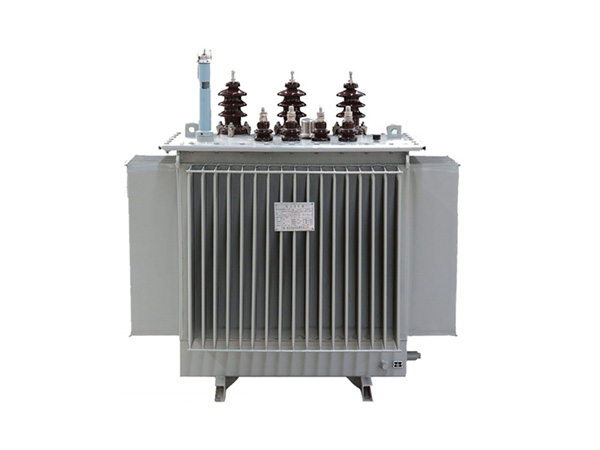
Is Forced Re-energization Allowed After Internal Fault Tripping of Oil-Immersed Transformers?
Forced re-energization is strictly prohibited when an oil-immersed transformer trips due to confirmed internal faults.Internal failures include winding short circuits,insulation breakdown,core damage,internal arcing and o...
2026-06
-
Emergency Handling for Oil-Immersed Transformers When Flooding Submerges the Base
Flooding around or submerging the transformer base brings risks such as water ingress,insulation breakdown,short circuit and electric leakage.Follow standardized emergency procedures in the order of power cut,on-site isol...
2026-06
-
How to Prevent Oil-Immersed Transformers from Lightning Damage
Lightning strikes may induce overvoltage,damage insulation,burn windings and even cause equipment explosion.A complete protection system combining external lightning shielding,surge protection,reliable grounding,and daily...
2026-06
-
How to Clean Ground Oil Contamination Caused by Oil-Immersed Transformer Leakage
Proper cleaning of oil stains from transformer leakage follows the principles of safety first,pollution control and thorough decontamination.The work is divided into on-site safety preparation,physical oil removal,chemica...
2026-06
-
Will Overload Operation Cause Permanent Damage to Oil-Immersed Transformers?
Short-term overload within standard allowable limits generally does not cause permanent damage.However,prolonged overload,frequent repeated overload,or severe overload beyond specified time and temperature thresholds will...
2026-06
-
Can Off-Circuit Tap Changer Transformers Be Adjusted While Energized?
Can Off-Circuit Tap Changer Transformers Be Adjusted While Energized? No. Off-circuit (no-load) tap changers (OCTC/DETC) must NOT be adjusted while the transformer is energized or under load. Designed without arc-extingui...
2026-06

-
Home
-
Product
Product List
The implementation of standards is communicated to every supplier partner to ensure a value-based collaboration between both parties
-
Blogs
News List
The implementation of standards is communicated to every supplier partner to ensure a value-based collaboration between both parties
-
About us
-
Scene
-
Contact us