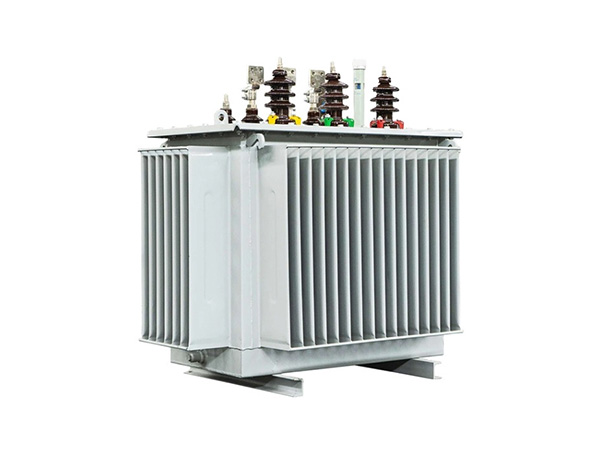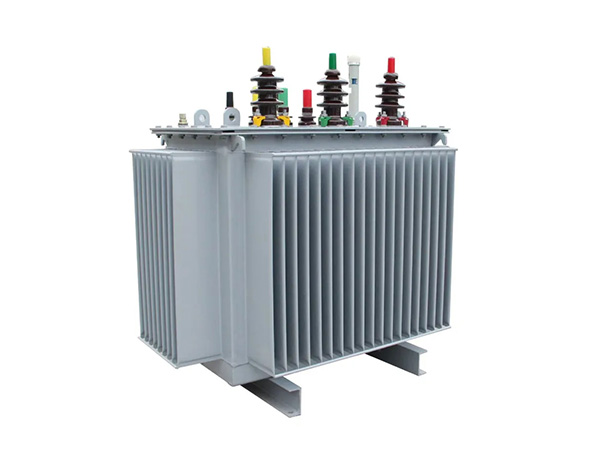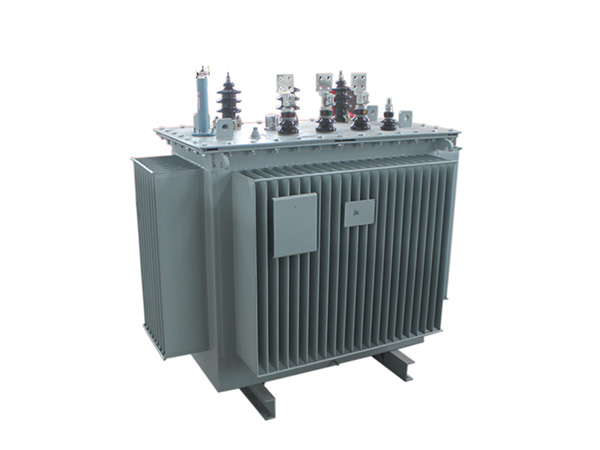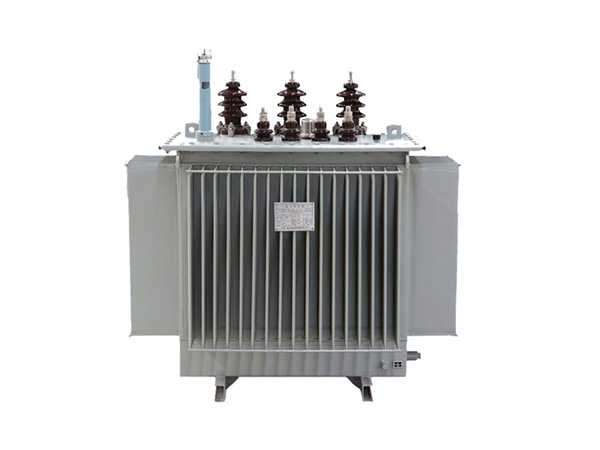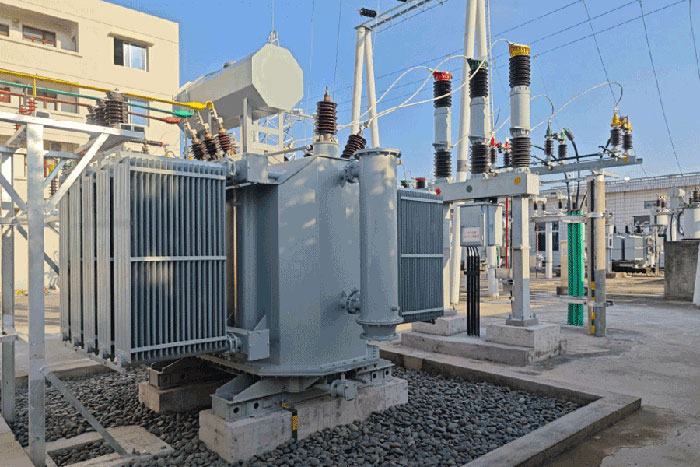
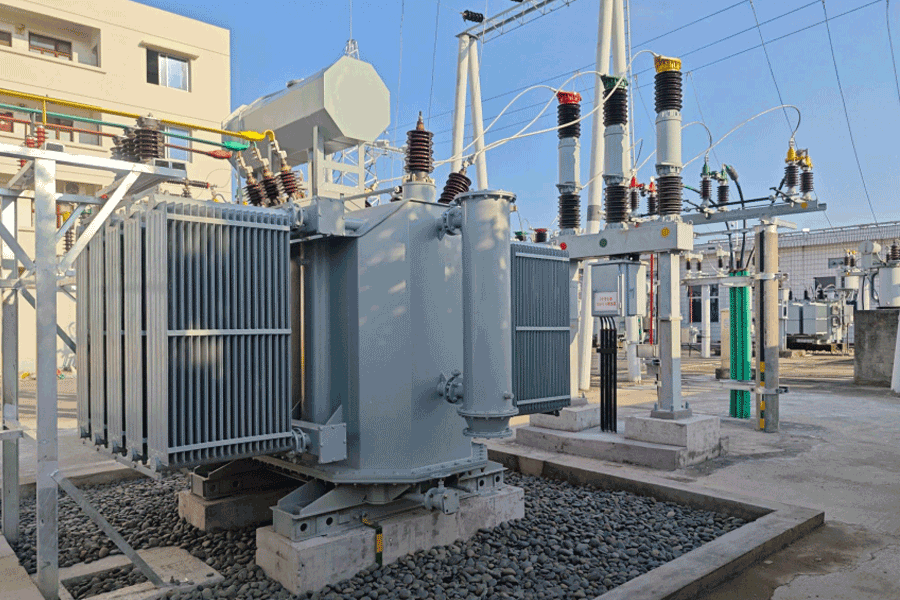






Construction Procedures and Safety Points for Replacing Old Oil-Immersed Transformers
Time:2026-06-07 21:26:36 Author:zhongbei Click:181
Replacing old transformers involves power cut, site preparation, removal, installation, oil treatment, testing and commissioning. Strict construction steps and safety rules must be followed to avoid personal injury and equipment damage.
1. Pre-Construction Preparation
Confirm the model, capacity and technical parameters of the new transformer to ensure matching with the original unit. Check construction tools, lifting equipment, fire extinguishers and grounding devices. Formulate a construction plan and emergency scheme, and arrange professional operators. Inform relevant departments and users of power outage time in advance.
2. Power Outage and Lockout-Tagout
Follow the operating sequence to cut off high-voltage and low-voltage power supplies in turn. Perform complete power outage, discharge residual electricity, and hang lockout and warning signs. Verify no voltage with a tester before starting work. It is forbidden to operate with electricity throughout the whole process.
3. Dismantling the Old Transformer
Remove connecting busbars, cables, temperature sensors and auxiliary accessories one by one. Drain the remaining insulating oil into sealed containers and properly recycle waste oil. Use qualified lifting tools to hoist the old transformer steadily, keep balance during moving, and prevent collision and oil leakage. Clean up the foundation and check the flatness, size and grounding facilities.
4. Hoisting and Positioning the New Transformer
Check the appearance, oil level and sealing condition of the new transformer before hoisting. Lift and place the unit slowly on the foundation, adjust levelness and spacing to meet design requirements. Complete reliable grounding connection immediately after positioning. Reconnect high and low voltage busbars, cables and all auxiliary components neatly and firmly.
5. Oil Filling and Standing Treatment
Supplement qualified insulating oil according to the standard liquid level. Conduct vacuum oil filling if required. Keep the transformer standing for the specified time to exhaust internal gas fully, so as to prevent gas protection action after operation.
6. Pre-Commissioning Tests
Carry out a full set of handover tests: insulation resistance, DC resistance, voltage ratio, withstand voltage test and partial discharge detection. Compare test data with factory standards; put the transformer into operation only after all items are qualified.
7. Trial Operation and Acceptance
Close the switches step by step for no-load trial operation. Observe oil temperature, oil level, running noise and protection status continuously. If no abnormal phenomenon occurs within the specified period, complete handover and formal power transmission.
Key Safety Points
All construction must be implemented after complete power outage, discharge and lockout-tagout.
Lifting operations must be directed by special personnel; overload hoisting and standing under suspended loads are strictly prohibited.
Insulating oil is flammable. Keep fire sources away, and equip enough fire extinguishers and fire sand.
Wear insulated protective tools when working near live parts or conducting electrical tests.
Standardize waste oil collection and disposal to prevent environmental pollution.
Avoid violent collision during hoisting and moving to prevent winding damage and seal leakage.
References
APA 7th Edition
[1] State Administration for Market Regulation. (2017). Power transformers Part 1: General (GB/T 1094.1-2017). China Standards Press.
MLA 9th Edition
[1] State Administration for Market Regulation. Power Transformers Part 1: General (GB/T 1094.1-2017), China Standards Press, 2017.
IEEE Style
[1] State Administration for Market Regulation, Power transformers Part 1: General, GB/T 1094.1-2017, 2017.
MORE
-
Transformer Components Most Likely to Require Replacement
2026-07-24
-
Signs Your Transformer Oil Level Indicator Needs Replacement
2026-07-11
-
dry-type-transformers-for-commercial-buildings
2026-07-11
-
DIN Standard Porcelain Bushings: Features and Benefits
2026-07-11
-
Copper vs Aluminum Terminal Studs for Transformers
2026-07-11