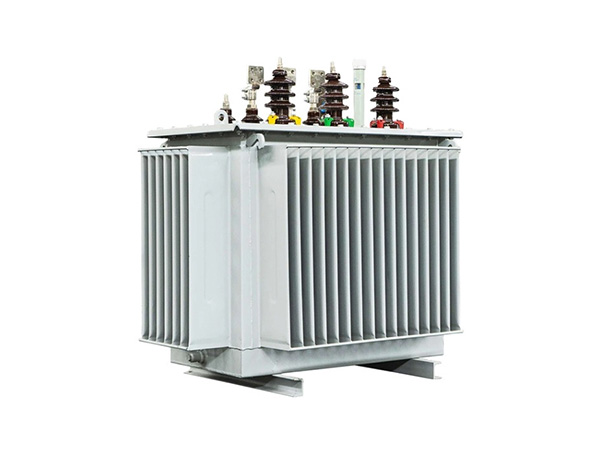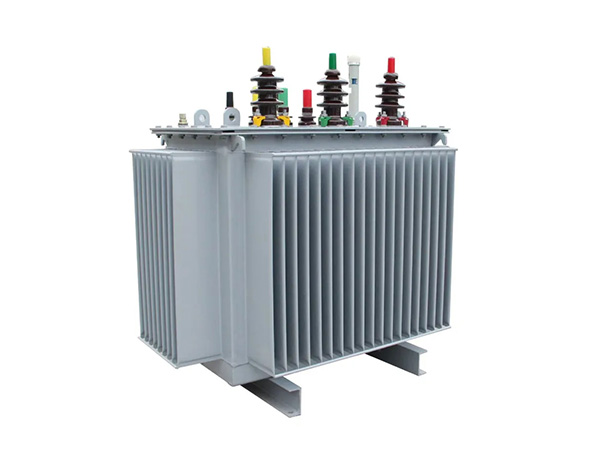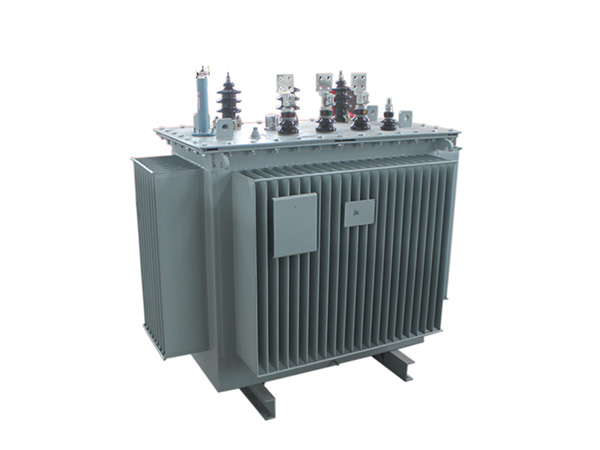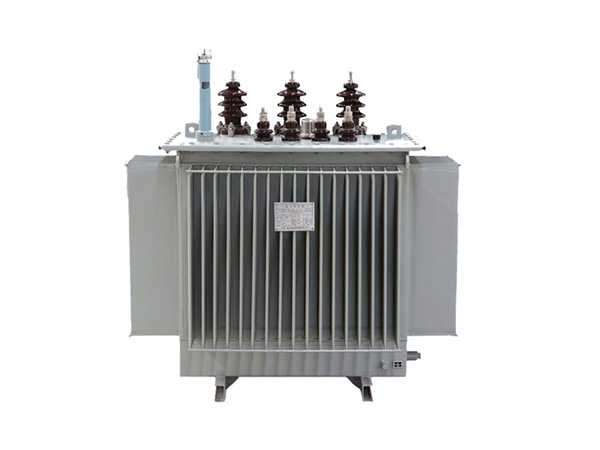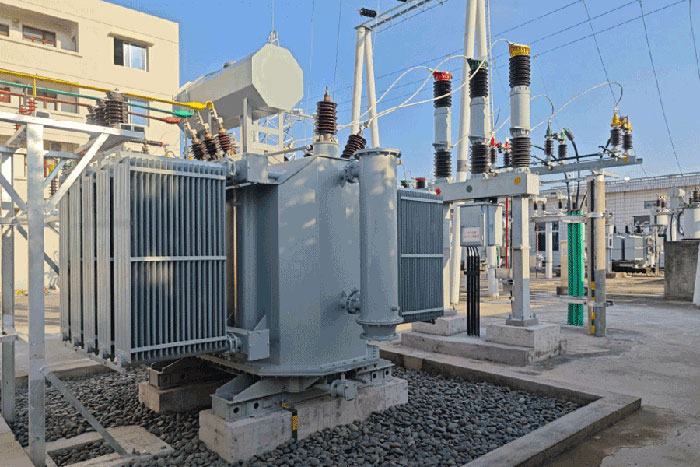
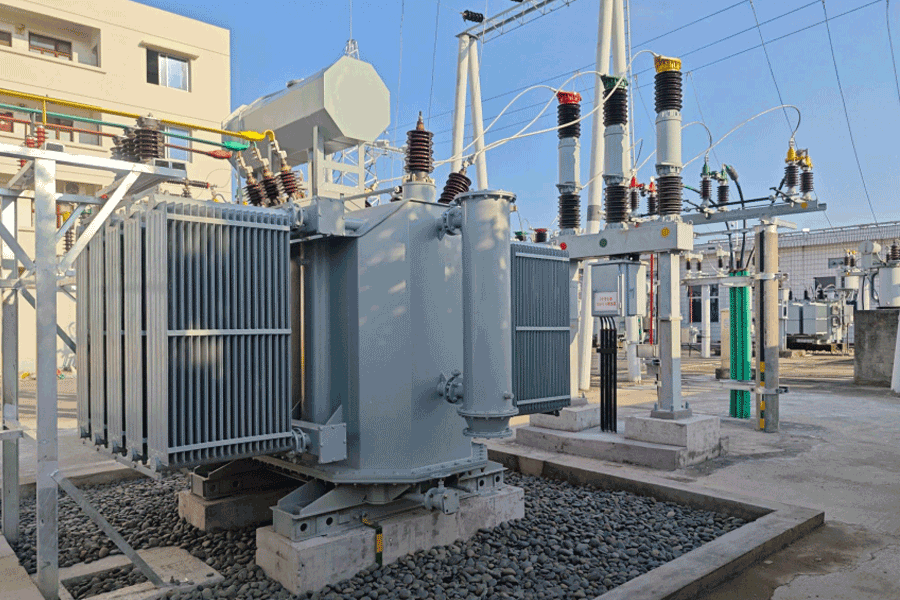






How to Prevent Oil-Immersed Transformers from Lightning Damage
Time:2026-06-07 21:41:01 Author:zhongbei Click:147
Lightning strikes may induce overvoltage,damage insulation,burn windings and even cause equipment explosion.A complete protection system combining external lightning shielding,surge protection,reliable grounding,and daily maintenance is required to safeguard oil-immersed transformers.
1.External Lightning Shielding&Line Protection
Install lightning rods or overhead ground wires above the transformer and its incoming/outgoing lines to block direct lightning strokes.For overhead distribution lines,mount line surge arresters at the pole near the transformer.These devices can divert most lightning energy before abnormal voltage reaches the equipment.Keep the shielding coverage fully enclosing the transformer body to avoid bypass lightning strikes.
2.Install High and Low Voltage Surge Arresters
Equip metal oxide arresters(MOA)on both high-voltage and low-voltage sides of the transformer.Arresters are core components against induced lightning overvoltage.They conduct excessive surge current to the ground instantly and restore insulation after voltage returns to normal.Follow installation standards:keep connecting leads short and straight to reduce residual voltage,and avoid loose or twisted wires.
3.Standardized Grounding System
Build a qualified grounding network for the transformer,arresters and metal enclosure.The total grounding resistance shall meet relevant requirements:generally≤4Ωfor distribution transformers.Regularly inspect grounding conductors,grounding electrodes and connecting points.Remove rust,tighten loose connections and replace corroded parts timely.Poor grounding will cause lightning current to accumulate inside the transformer and lead to breakdown.
4.Reinforce Insulation Design&Protection Configuration
Select transformers with adequate lightning impulse withstand voltage according to local lightning density.For transformers in thunderstorm-prone areas,enhance main and longitudinal insulation of windings.Install lightning protection gaps between phases and to ground as an auxiliary protection measure.Optimize relay protection settings to achieve rapid tripping when lightning faults occur.
5.Wiring&Layout Optimization
Separate power lines and communication lines properly to prevent surge crosstalk.Do not lay power cables and signal cables in the same pipe.For cable inlet and outlet,use sealed cable terminals and insulating bushings to prevent lightning overvoltage from invading along cables.Avoid long-distance exposed wiring near the transformer.
6.Pre-Thunderstorm Inspection&Daily Maintenance
Before thunderstorm seasons,conduct a full inspection:test the performance of arresters,measure grounding resistance,check insulation status of bushings and windings.Clean dust and dirt on insulating surfaces to prevent flashover under surge voltage.After severe thunderstorms,patrol immediately to check for abnormal noise,oil leakage or temperature rise.Replace aging arresters and damaged insulation components regularly.
7.Additional Measures for Special Scenarios
For transformers in mountainous areas,open fields or areas with frequent lightning activities,adopt multi-stage combined surge protection.For pole-mounted transformers,reinforce the fixation of arresters and ground wires against wind and vibration.For indoor transformers,ensure cable trenches are well sealed to block lightning wave invasion.
References
APA 7th Edition
Wang,X.,&Sun,J.(2023).Lightning protection technology and fault prevention for distribution transformers.Electric Power Engineering Technology,42(7),88-94.
MLA 9th Edition
Wang,Xiang,and Jian Sun."Lightning Protection Technology and Fault Prevention for Distribution Transformers."Electric Power Engineering Technology,vol.42,no.7,2023,pp.88-94
IEEE Style
X.Wang and J.Sun,"Lightning protection technology and fault prevention for distribution transformers,"Electr.Power Eng.Technol.,vol.42,no.7,pp.88-94,2023,
MORE
-
Transformer Components Most Likely to Require Replacement
2026-07-24
-
Signs Your Transformer Oil Level Indicator Needs Replacement
2026-07-11
-
dry-type-transformers-for-commercial-buildings
2026-07-11
-
DIN Standard Porcelain Bushings: Features and Benefits
2026-07-11
-
Copper vs Aluminum Terminal Studs for Transformers
2026-07-11