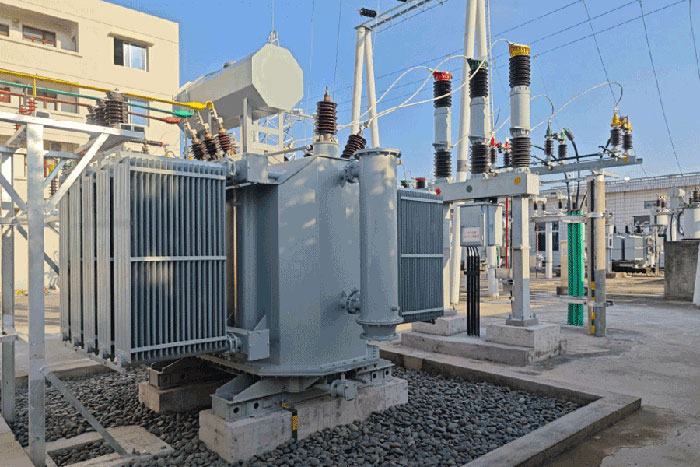
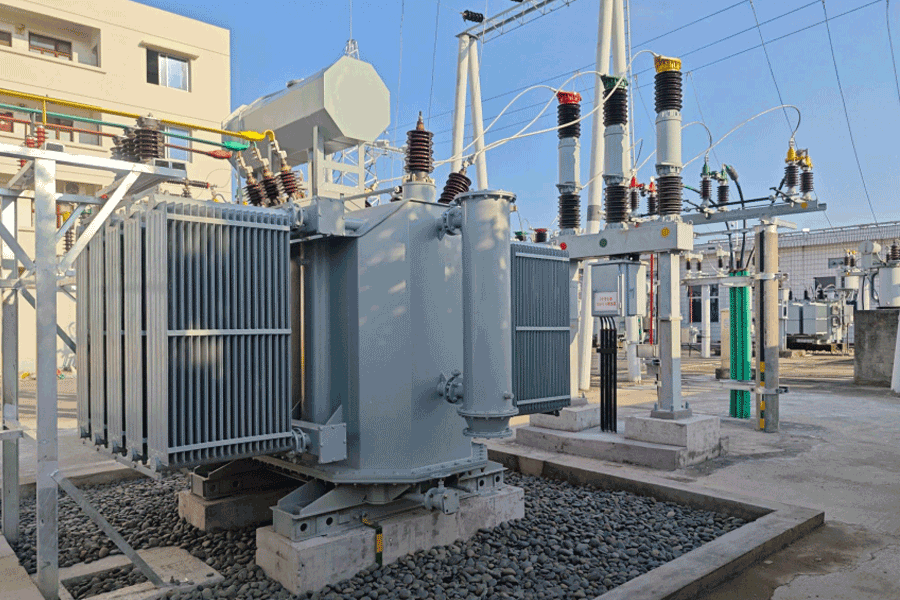






Oil Immersed Transformer Maintenance Best Practices Guide
Time:2026-08-12 15:13:32 Author:zhongbei Click:155
Manufacturing facilities, power generation plants, and industrial operations depend on oil immersed transformers for reliable power distribution. A single transformer failure can halt production lines, damage sensitive equipment, and create safety hazards that ripple through entire operations. The difference between transformers that operate reliably for 30 years and those that fail prematurely often comes down to maintenance discipline. This article presents field-proven oil immersed transformer maintenance practices developed from decades of operational experience across diverse industrial environments.
Establishing a Maintenance Schedule Based on Operating Conditions
Not all transformers require the same maintenance intensity. The operating environment, load profile, and criticality of the application determine appropriate maintenance intervals. A oil immersed transformer operating in a climate-controlled indoor electrical room faces different stresses than one exposed to coastal salt spray or industrial process fumes.
Standard maintenance schedules assume moderate operating conditions. For harsh environments—high ambient temperatures, elevated humidity, chemical exposure, or frequent load cycling—increase inspection frequency by 50 to 100 percent. Document the environmental factors that justify intensified maintenance in the asset management plan. This documentation supports budget requests and demonstrates due diligence to insurance auditors and regulatory inspectors.
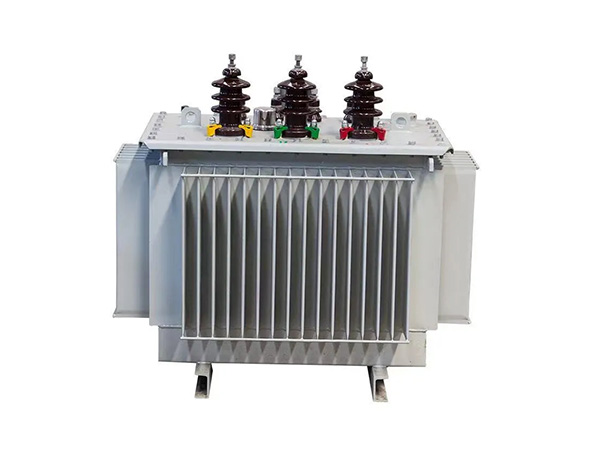
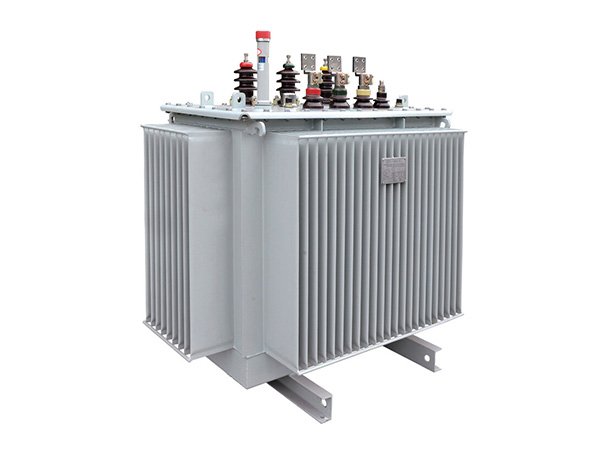
Oil Testing as the Foundation of Maintenance Programs
Transformer oil serves simultaneously as electrical insulation, thermal transfer medium, and diagnostic indicator. Changes in oil properties reveal developing problems inside the transformer long before external symptoms appear. A comprehensive oil immersed transformer maintenance program includes regular oil analysis at defined intervals.
Dissolved gas analysis detects incipient faults through gas concentrations generated by different deterioration mechanisms. Hydrogen and methane indicate partial discharge. Ethylene signals thermal overheating. Acetylene confirms arcing at temperatures exceeding thermal limits. The key insight from field experience is that trending matters more than absolute values—a gradual increase in gas concentrations over multiple samples indicates a developing problem, even when individual sample values remain within normal ranges.
Physical and chemical oil tests complement dissolved gas analysis. Dielectric breakdown strength indicates oil purity and moisture contamination. Neutralization number measures oil oxidation. Interfacial tension detects the presence of oxidation products and contaminants. Moisture content determination reveals water ingress from gasket failures or breather exhaustion. Schedule these tests annually at minimum, with more frequent testing for critical transformers or those with known issues.
Thermal Monitoring and Hot Spot Detection
Transformer insulation deteriorates according to thermal stress—the Arrhenius relationship predicts that insulation life approximately halves for each 6 to 8 degree Celsius increase in operating temperature. Oil immersed transformer maintenance must therefore emphasize thermal performance monitoring.
Top oil temperature readings provide basic thermal data but miss the critical hot spot temperatures at winding locations. Modern transformers include winding temperature indicators that estimate hot spot temperature from oil temperature and load current. Compare actual hot spot readings against manufacturer calculations at similar load conditions. Persistent elevation of hot spot temperature above expected values indicates internal problems requiring investigation.
Infrared thermography surveys during peak load conditions identify external connection hot spots, cooling system inefficiencies, and abnormal tank surface heating patterns. Survey all accessible connections, radiators, cooling fans, and bushing terminals. Document baseline thermal images during commissioning and compare subsequent surveys against this baseline. Temperature differences exceeding 10 degrees Celsius at similar locations warrant investigation.
Breather and Moisture Control
Moisture intrusion ranks among the most common causes of oil immersed transformer problems. The silica gel breather prevents atmospheric moisture from entering the conservator during thermal cycling. When the desiccant exhausts its moisture absorption capacity, humidity enters the transformer oil directly.
Include breather inspection in routine oil immersed transformer maintenance rounds. Replace saturated silica gel immediately—the color change from orange to green or from blue to pink indicates exhaustion. In humid environments, breather maintenance intervals may be as short as two to three months. Document breather replacement dates and quantities to establish replacement frequency appropriate for local conditions.
For transformers in extremely humid environments, consider upgrading to refrigerant breathers that actively remove moisture from incoming air. These devices eliminate the inspection burden of silica gel breathers but require reliable power supply and periodic maintenance themselves.
Electrical Testing and Insulation Assessment
Periodic electrical tests assess insulation condition and detect developing problems that oil analysis might miss. The most informative tests for oil immersed transformer maintenance include insulation resistance, power factor, and turns ratio measurements.
Insulation resistance testing at standardized voltages and durations provides baseline data for trending. Perform tests with the transformer isolated and grounded according to safety procedures. Compare results against previous measurements using the same test voltage and duration—insulation resistance values depend strongly on test conditions. A declining trend over multiple measurement periods indicates insulation deterioration requiring further investigation.
Power factor testing of windings reveals capacitive changes in insulation that indicate moisture absorption or aging. Bushing power factor measurements detect deteriorating bushing insulation before failure. Schedule power factor testing every three to five years, or more frequently for transformers with concerning oil analysis results.
Visual Inspection and Physical Condition Assessment
Regular visual inspections catch problems that laboratory tests cannot detect. Include these physical checks in routine oil immersed transformer maintenance rounds.
Inspect the tank exterior for corrosion, especially at weld seams, mounting brackets, and cooling radiator connections. Early-stage corrosion can be treated and painted before it progresses to through-wall penetration. Check all gasketed joints for oil seepage—gasket degradation begins as minor weeping before progressing to significant leakage.
Examine bushings for cracks, contamination on porcelain surfaces, and evidence of tracking or partial discharge. Oil staining on bushing skirts indicates gasket leakage at the bushing-tank interface. Verify that oil level indicators show appropriate levels and that Buchholz relay sight glasses are clear and free of gas accumulation.
Documentation and Record Keeping
The value of maintenance activities multiplies when results are documented systematically. Each inspection, test, and oil analysis sample generates data that informs future maintenance decisions. Establish standardized forms for recording inspection findings, test results, and corrective actions.
Maintain a complete maintenance history for each transformer, including commissioning records, routine inspection reports, oil analysis trending charts, and records of repairs or modifications. This documentation supports failure investigations, justifies maintenance budgets, and demonstrates regulatory compliance. For transformers approaching the end of their expected service life, comprehensive maintenance records inform replacement planning decisions.
Frequently Asked Questions
How often should oil samples be taken from oil immersed transformers?
Annual dissolved gas analysis is the minimum standard for most applications. For critical transformers, harsh environments, or transformers with known issues, sample every six months or quarterly. Physical and chemical oil tests can be performed annually or every two years for stable transformers. Always sample before and after any major maintenance activity or significant loading event.
What indicates that transformer oil needs replacement?
Dielectric breakdown strength below 30 kV, neutralization number exceeding 0.3 mg KOH per gram, or interfacial tension below 25 mN per meter indicate oil deterioration requiring attention. Oil can often be reconditioned through filtration and dehydration rather than complete replacement. However, severely degraded oil with high dissolved gas concentrations from internal faults may require complete replacement along with fault repair.
Can maintenance be performed while the transformer is energized?
Visual inspections, infrared surveys, top oil temperature readings, and breather maintenance can be performed while energized with appropriate safety precautions. Oil sampling from sampling valves is typically permitted on energized transformers. Electrical tests, internal inspections, and gasket replacements require de-energization and proper isolation procedures. Never compromise safety for convenience.
What are the most common causes of oil immersed transformer failure?
Moisture intrusion through failed gaskets or exhausted breathers, bushing failures from moisture ingress or partial discharge, tap changer contact wear, and winding insulation deterioration from thermal aging rank among the most common failure modes. Many of these failure mechanisms develop slowly and can be detected through regular oil analysis and electrical testing.
How do I determine if a transformer is operating within acceptable temperature limits?
Compare top oil temperature and winding hot spot temperature against nameplate ratings and manufacturer guidelines. For most transformers, top oil temperature should remain below 95 degrees Celsius under rated conditions, and hot spot temperature should stay below 110 degrees Celsius for standard insulation systems. Persistent temperature elevation above these values at normal loads indicates internal problems or cooling system deficiencies.
Conclusion
Effective oil immersed transformer maintenance combines regular inspection, systematic testing, and comprehensive documentation into a discipline that extends equipment life and prevents unexpected failures. The practices outlined here—establishing appropriate maintenance schedules, performing regular oil analysis, monitoring thermal performance, maintaining moisture control systems, conducting electrical tests, and documenting all findings—represent the accumulated knowledge of field experience and industry standards. For industrial operations where transformer reliability directly affects production continuity and safety, investing in comprehensive maintenance programs delivers returns far exceeding the costs of the maintenance activities themselves. The alternative—reactive maintenance responding to unexpected failures—costs more in equipment damage, production losses, and safety incidents than any preventive maintenance program.
References
IEEE Std C57.106-2015, "Guide for Acceptance and Maintenance of Insulating Oil in Equipment," IEEE Power & Energy Society.
IEEE Std C57.12.90-2015, "Standard Test Code for Liquid-Immersed Distribution, Power, and Regulating Transformers," IEEE Power & Energy Society.
CIGRE Working Group A2.37, "Transformer Reliability Survey," Technical Brochure 542, 2015.
Kulkarni, S.V., and Khaparde, S.A., "Transformer Engineering: Design, Technology, and Diagnostics," CRC Press, 2012.
MORE
-
How to Choose the Right Dry Type Transformer Capacity
2026-08-18
-
How to Source Reliable Transformer Parts Suppliers
2026-08-12
-
Pressure Relief Device Testing and Maintenance Guide
2026-08-12
-
Oil Immersed Transformer Maintenance Best Practices Guide
2026-08-12
-
Common Causes of Transformer Bushing Failure and Prevention
2026-08-12