





How to Source Reliable Transformer Parts Suppliers
Time:2026-08-12 15:39:24 Author:zhongbei Click:91
Industrial maintenance managers and procurement engineers understand the frustration of transformer downtime extended by parts availability delays. A critical bushing fails on a Friday afternoon, and production halts while purchasing scrambles to locate a supplier who can deliver within hours rather than weeks. The difference between operations that recover quickly and those that suffer extended outages often comes down to the quality of their transformer parts suppliers relationships. This article presents a systematic approach to sourcing, qualifying, and managing suppliers that ensures reliable access to quality components when they are needed.
Defining Requirements Before Supplier Search
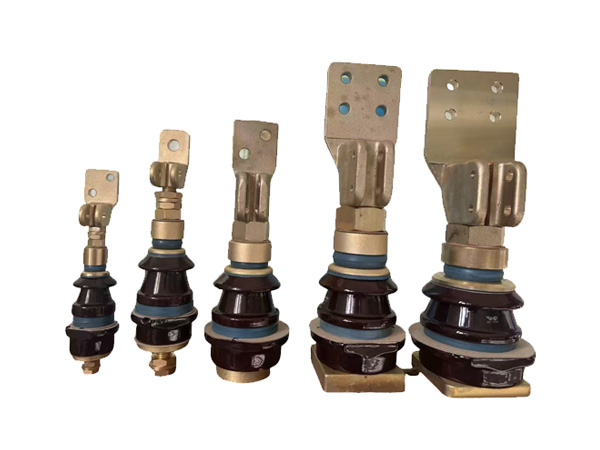
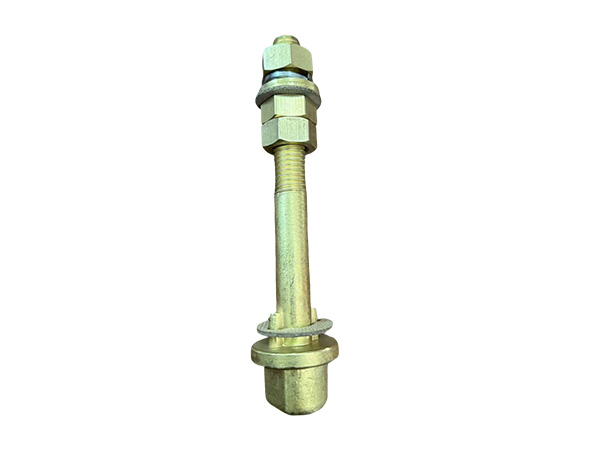
Effective sourcing begins with precise specification of what you need. Transformer parts range from commodity items like gaskets and breather desiccant to highly engineered components like bushings and tap changer contacts. Each category requires different supplier capabilities and qualification approaches.
Create a detailed parts inventory organized by criticality, lead time sensitivity, and technical complexity. For standard items with multiple potential sources, procurement cost and delivery reliability drive supplier selection. For specialized components with limited manufacturing sources, technical capability and quality assurance become primary criteria. Understanding these distinctions before contacting potential transformer parts suppliers focuses evaluation effort on factors that matter for each category.
Identifying Potential Suppliers Through Multiple Channels
Supplier identification uses multiple information sources to build a comprehensive candidate list. Industry trade associations, equipment manufacturer recommendations, peer facility referrals, and online industrial directories each contribute potential candidates.
Equipment manufacturers often recommend approved parts suppliers for their equipment. These recommendations carry weight because the manufacturer has qualified these suppliers against original specifications. However, approved supplier lists may not include all qualified sources—manufacturers sometimes restrict lists to partners who pay certification fees or meet exclusive arrangements. Expand beyond manufacturer recommendations through independent research.
Peer facilities operating similar equipment provide practical supplier recommendations based on actual transaction experience. A recommendation from a maintenance manager at a comparable facility carries more credibility than marketing materials from the supplier themselves. Professional associations and industry conferences facilitate these peer connections.
Qualifying Suppliers Against Technical and Quality Standards
Not all transformer parts suppliers meet the same quality standards. Supplier qualification verifies that candidates can consistently deliver parts meeting specifications before committing to purchase relationships.
Request quality management system certifications such as ISO 9001 registration. While certification alone does not guarantee quality, it indicates systematic approach to quality management. For safety-critical components like bushings and pressure relief devices, verify that suppliers hold relevant product certifications and perform the type tests required by applicable standards.
Evaluate manufacturing capability for the specific parts required. A supplier may manufacture some items and distribute others from third-party sources. Request facility visits or virtual audits to verify manufacturing processes, quality control procedures, and technical competence for manufactured items. For distributed items, verify the quality assurance procedures applied to incoming goods from third-party sources.
Review supplier track record with similar customers in comparable applications. Request references from facilities operating similar transformer types and voltage classes. Contact these references to discuss actual experience with delivery reliability, product quality, and responsiveness to problems. The insight from reference conversations often reveals more than supplier marketing materials.
Assessing Financial Stability and Business Continuity
Strong technical capability means nothing if the supplier ceases operations mid-contract. Financial stability assessment protects against supplier failure that disrupts parts availability.
For publicly traded companies, review annual reports and financial statements for profitability, debt levels, and cash flow indicators. For privately held transformer parts suppliers, request financial statements under confidentiality agreement or use credit reporting services to assess financial health. Red flags include declining revenue, excessive debt, or repeated ownership changes.
Business continuity planning matters particularly for sole-source components. Ask potential suppliers about their own supply chain resilience, manufacturing backup arrangements, and disaster recovery plans. A supplier whose own operations depend on a single facility or single raw material source represents higher risk than one with diversified operations.
Evaluating Logistics Capability and Delivery Performance
Parts quality matters only if items arrive when needed. Logistics capability assessment evaluates the supplier ability to meet delivery requirements for routine orders and emergency situations.
Review warehouse locations relative to your facilities. Local inventory availability dramatically reduces emergency delivery times compared to shipping from distant or overseas locations. Ask transformer parts suppliers about inventory stocking policies for items you purchase frequently—some suppliers maintain consignment inventory at customer sites for critical components.
Examine historical delivery performance data. Request metrics showing on-time delivery rates, order accuracy, and lead time compliance. Probe the causes behind any delivery failures to distinguish between external factors beyond supplier control and internal problems with production scheduling, inventory management, or logistics execution.
Test emergency response capability with scenario discussions. Present realistic emergency situations and ask how the supplier would respond. Strong transformer component suppliers have documented emergency fulfillment procedures, contacts with expedited shipping providers, and authority to prioritize emergency orders ahead of routine production.
Negotiating Terms That Support Long-Term Reliability
Contract terms shape supplier behavior over the relationship duration. Negotiate arrangements that align supplier incentives with your reliability objectives.
Establish clear quality specifications and acceptance criteria in purchase orders and contracts. Define the inspection and test documentation required with each shipment. Specify remediation procedures for nonconforming items, including return shipping costs, replacement timelines, and root cause analysis requirements for significant quality failures.
Structure payment terms that reward reliable performance while protecting supplier cash flow. Early payment discounts for on-time delivery of quality parts create positive incentives. Retainage provisions withholding a portion of payment until satisfactory field performance may be appropriate for major component orders.
Include provisions for supplier performance reviews at defined intervals. Regular review meetings maintain focus on continuous improvement and provide structured forums for addressing emerging issues before they affect supply reliability.
Managing Supplier Relationships for Continuous Improvement
Supplier qualification is the beginning, not the end, of effective sourcing. Ongoing relationship management ensures sustained performance and identifies improvement opportunities.
Track supplier performance metrics systematically. Record delivery times, quality acceptance rates, pricing trends, and responsiveness to inquiries. Compare performance across transformer parts suppliers to identify best practices and problem areas. Share performance data with suppliers—transparency about actual performance drives improvement.
Develop preferred supplier relationships with top performers. Preferred status may include larger order volumes, longer contract terms, and collaborative planning arrangements. The stability of preferred relationships encourages suppliers to invest in service capabilities specific to your requirements.
Maintain qualification of backup suppliers for critical components. Sole-source dependence creates risk even with excellent current supplier performance. Regular qualification of alternative sources ensures options if primary supplier problems develop.
Frequently Asked Questions
How many suppliers should I qualify for each transformer part category?
For commodity items with multiple competent sources, qualify two to three suppliers to enable price competition and supply redundancy. For specialized components with limited manufacturing sources, qualify all available qualified suppliers. The goal is ensuring supply options without diluting purchase volumes across too many suppliers to manage effectively.
What documentation should I require from transformer parts suppliers?
Require test reports, certificates of conformance, and material certifications as appropriate for each part type. For safety-critical components, request copies of type test reports demonstrating compliance with applicable standards. Maintain this documentation in asset records for future reference during maintenance activities and failure investigations.
How do I verify that supplied parts actually meet specifications?
Implement incoming inspection procedures appropriate to part criticality. For standard items, verify dimensional compliance and review accompanying documentation. For critical components, perform acceptance testing or send samples to independent laboratories. Track inspection results and investigate any trends of nonconformance from specific suppliers.
Should I prefer manufacturers or distributors for transformer parts?
Manufacturers provide direct control over production and often offer better technical support, but may have limited product ranges. Distributors offer broader product selection and typically maintain local inventory, but add cost markup and may have limited technical depth. For critical engineered components, manufacturer relationships often provide better support. For commodity items, distributor convenience may justify the markup.
How do I handle supplier quality failures?
Document all quality failures with photographs, test results, and operating context. Notify the supplier promptly with complete information. Request root cause analysis and corrective action for significant failures. Track failure patterns by supplier to identify systematic quality problems. Establish escalation procedures for unresolved quality issues, ultimately including supplier disqualification for persistent problems.
Conclusion
Sourcing reliable transformer parts suppliers requires systematic effort across supplier identification, qualification, relationship management, and performance monitoring. The practices outlined here transform supplier management from reactive purchasing into strategic capability that supports transformer reliability and operational continuity. For industrial operations where transformer downtime carries significant costs, investing in robust supplier relationships pays returns far exceeding the procurement effort. The alternative—scrambling for parts during emergency outages—costs more in extended downtime, expedited shipping premiums, and occasional acceptance of suboptimal substitutes than any well-structured supplier management program.
References
IEEE Std C57.12.00-2015, "Standard for General Requirements for Liquid-Immersed Distribution, Power, and Regulating Transformers," IEEE Power & Energy Society.
ISO 9001:2015, "Quality Management Systems – Requirements," International Organization for Standardization.
Kulkarni, S.V., and Khaparde, S.A., "Transformer Engineering: Design, Technology, and Diagnostics," CRC Press, 2012.
CIGRE Working Group A2.37, "Transformer Reliability Survey," Technical Brochure 542, 2015.
IEEE Std C57.19.01-2017, "Standard Performance Characteristics and Dimensions for Outdoor Apparatus Bushings," IEEE Power & Energy Society.
MORE
-
How to Choose the Right Dry Type Transformer Capacity
2026-08-18
-
How to Source Reliable Transformer Parts Suppliers
2026-08-12
-
Pressure Relief Device Testing and Maintenance Guide
2026-08-12
-
Oil Immersed Transformer Maintenance Best Practices Guide
2026-08-12
-
Common Causes of Transformer Bushing Failure and Prevention
2026-08-12