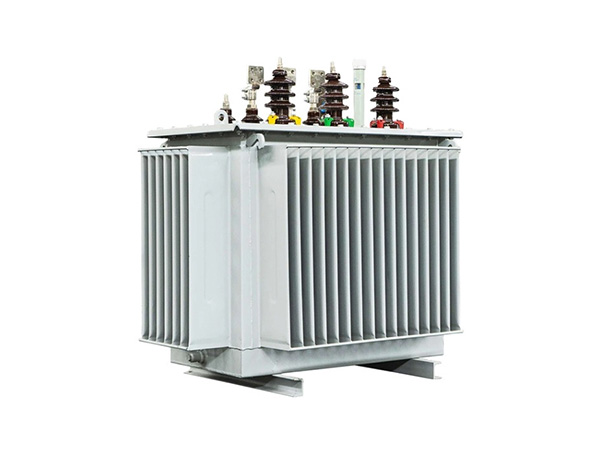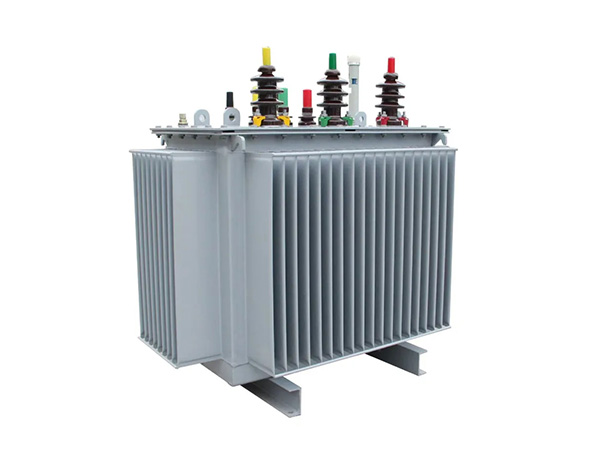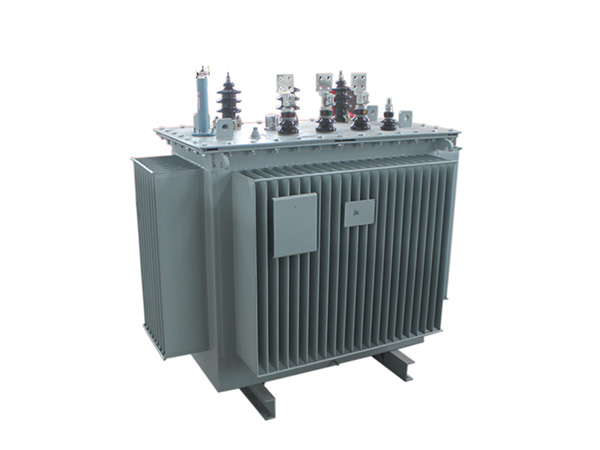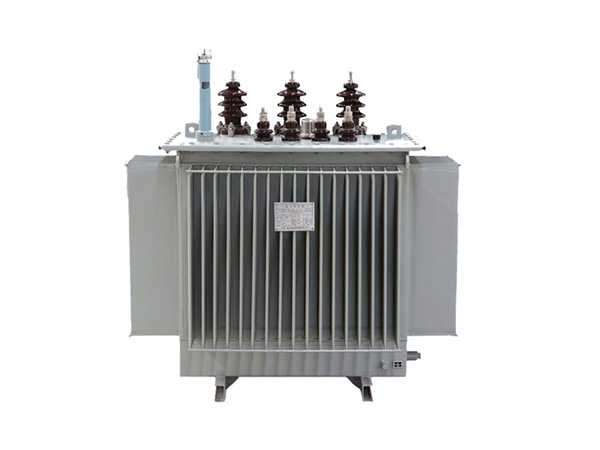






Daily Maintenance for On-Load Tap-Changing Oil-Immersed Transformers
Time:2026-06-07 21:30:17 Author:zhongbei Click:191
On-load tap-changing transformers can adjust output voltage under live operation, and their core vulnerable parts focus on the on-load tap changer (OLTC), insulating oil, electrical connections and monitoring devices. Scientific daily maintenance ensures stable voltage regulation and avoids contact burning, oil deterioration and mechanical jamming.
1. Routine Visual Inspection (Daily Patrol)
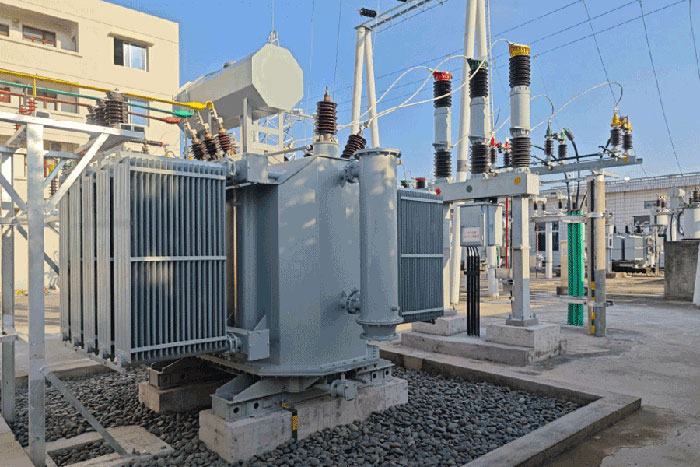
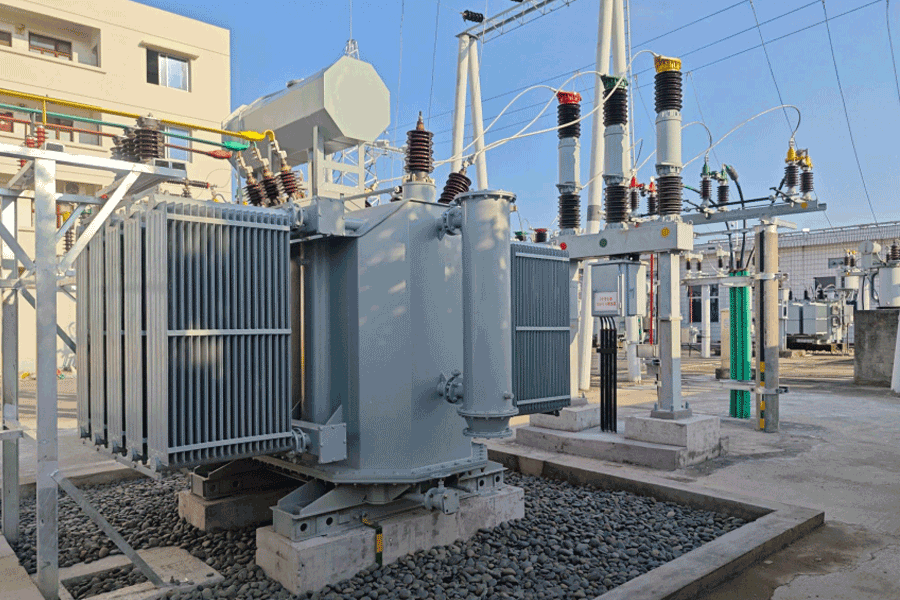
Check the overall body for oil leakage at welds, flanges, valves and the OLTC independent oil compartment. Timely handle slight seepage to prevent oil shortage.
Observe readings of the main tank oil level gauge and OLTC oil level gauge. Keep oil within the standard range; replenish qualified insulating oil promptly if the level is low.
Check operating noise: Normal running sound is steady. Abnormal clattering or buzzing indicates mechanical jamming or poor contact of tap changer.
Inspect bushings, cable terminals and busbars for discoloration, overheating marks, dust or creepage traces. Clean dirt regularly to prevent flashover.
Verify the position indicator of tap changer: Ensure the on-site mechanical position is consistent with remote display and recorded gear number.
2. Special Maintenance for On-Load Tap Changer
Oil management for independent oil chamber
The OLTC has a separate oil tank. Test its insulating oil quality periodically. Replace oil and clean the chamber if the oil turns dark, generates carbon deposits or has low breakdown voltage, since electric arcs during switching will accelerate oil aging.
Switch operation check
Manually or remotely perform tap shifting tests at fixed cycles. Confirm the mechanism acts smoothly without stuck gears, and each gear can lock reliably. Count total switching times and refer to the manual for overhaul reminders when reaching the service limit.
Contact and mechanism inspection
During power-off maintenance, check moving and static contacts for ablation, pitting or wear. Clean carbon powder inside the switch compartment. Fasten loose transmission parts, shafts and connecting rods, and apply dedicated lubricant to movable components.
3. Insulating Oil Management
Sample and test oil of both main tank and OLTC compartment regularly, including breakdown voltage, acid value, moisture content and dissolved gas.
Conduct oil filtration if oil contains excessive moisture, impurities or gas. Replace oil completely when it is severely aged.
Check breather silica gel. Replace the discolored silica gel in time to keep the breathing system unblocked and prevent moisture and dust from entering.
4. Cooling & Ventilation System Maintenance
Check cooling fans, radiators and cooling pipes for dust accumulation and blockage. Clean fins regularly to guarantee heat dissipation efficiency.
Test fan start-stop logic and temperature control probes to ensure fans can automatically switch on and off according to oil temperature.
Keep the transformer room well ventilated; clear obstacles around ventilation openings.
5. Protection & Monitoring Devices Calibration
Test temperature gauges, oil temperature sensors, pressure relief valves and gas relays (Buchholz relay). Confirm alarm and trip functions respond accurately.
Check electrical protection settings including overcurrent, overvoltage and differential protection. Keep protection parameters compliant with design requirements.
Verify remote communication signals to ensure real-time data of tap position, temperature and alarms can be transmitted normally.
6. Electrical Connection & Grounding Inspection
Tighten all high-voltage, low-voltage and tap-changer wiring terminals to prevent loose contacts from causing overheating.
Inspect grounding conductors for corrosion, breakage or poor connection. Ensure the overall grounding resistance meets safety standards.
7. Records & Periodic Overhaul
Keep complete operation logs: record tap shifting times, gear positions, oil test results, faults and maintenance works. Arrange professional overhaul in accordance with operating years and switching frequency, to replace worn parts thoroughly.
References
APA 7th Edition
[1] Wang, Z., & Liu, S. (2024). Operation and daily maintenance technology of on-load tap-changing transformers. Electrical Automation, 46(2), 91-96.
MLA 9th Edition
[1] Wang, Zhe, and Song Liu. "Operation and Daily Maintenance Technology of On-Load Tap-Changing Transformers." Electrical Automation, vol. 46, no. 2, 2024, pp. 91-96.
IEEE Style
[1] Z. Wang and S. Liu, "Operation and daily maintenance technology of on-load tap-changing transformers," Electr. Autom., vol. 46, no. 2, pp. 91-96, 2024.
MORE
-
Transformer Components Most Likely to Require Replacement
2026-07-24
-
Signs Your Transformer Oil Level Indicator Needs Replacement
2026-07-11
-
dry-type-transformers-for-commercial-buildings
2026-07-11
-
DIN Standard Porcelain Bushings: Features and Benefits
2026-07-11
-
Copper vs Aluminum Terminal Studs for Transformers
2026-07-11