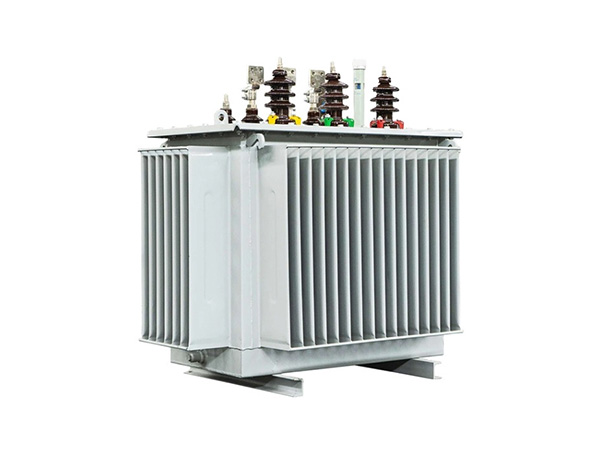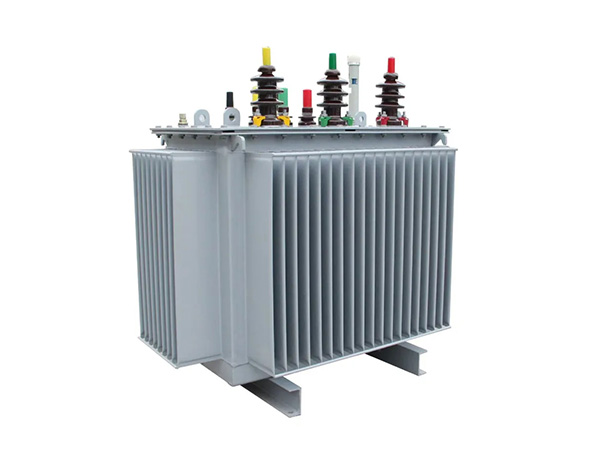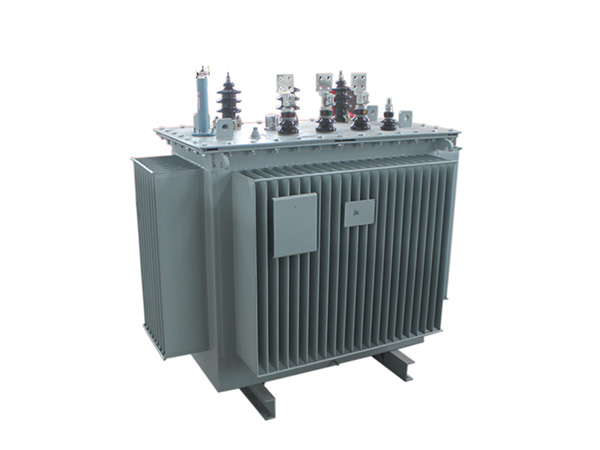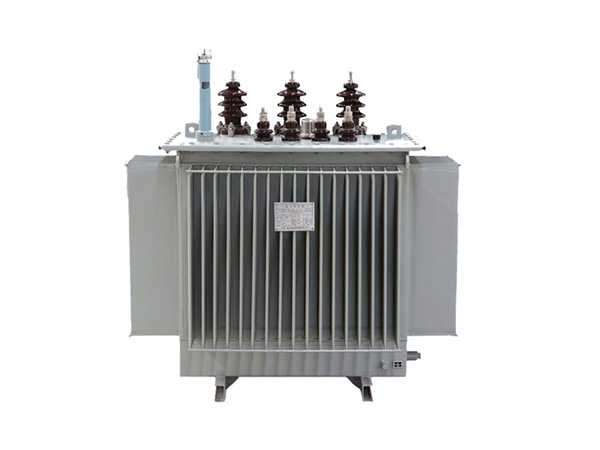






Functions and Adjustment Methods of Tap Changers for Oil-Immersed Transformers
Time:2026-06-07 21:58:47 Author:zhongbei Click:136
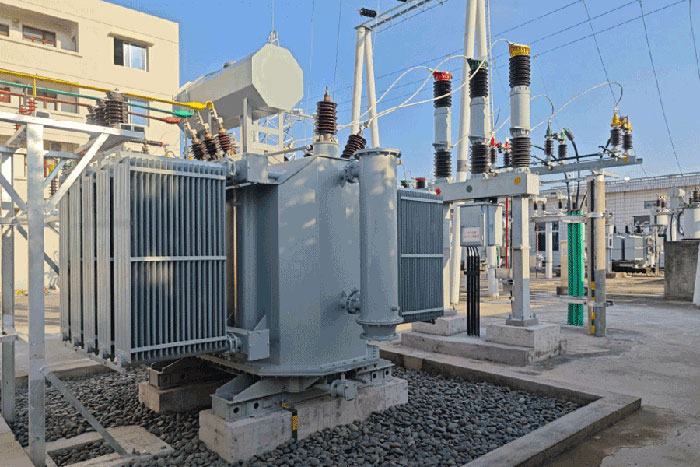
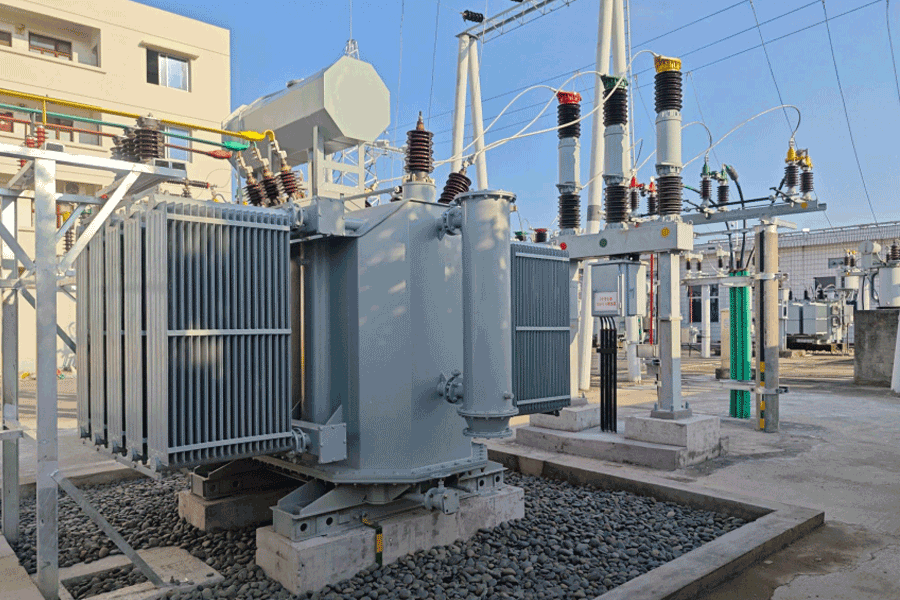
A tap changer is a core component installed on the high-voltage winding of oil-immersed transformers.It adjusts the turns ratio by changing the number of active winding turns,so as to stabilize the output voltage when the grid voltage fluctuates.There are two main types:off-circuit(no-load)tap changer and on-load tap changer,with different operating rules and procedures.
1.Main Functions
Stabilize output voltage
Compensate for high or low incoming grid voltage,keeping the low-voltage output within the standard range(0.9~1.05 rated voltage)to guarantee power quality for electrical loads.
Adapt to load changes
Offset voltage drop caused by heavy loads or voltage rise under light loads.
Meet operational requirements for parallel operation
Unified tap position ensures balanced load distribution when multiple transformers run in parallel.
2.Classification&Basic Parameters
Most distribution transformers have 3 to 5 tap positions,with each gear adjusting voltage by±2.5%or±5%.
Off-circuit tap changer(OCTC):Adjustment only allowed after full power cut.
On-load tap changer(OLTC):Supports live adjustment under normal operating load.
3.Adjustment Methods&Operating Steps
3.1 Off-Circuit Tap Changer(Most Common for Ordinary Distribution Transformers)
Pre-operation rules
Live adjustment is strictly forbidden,otherwise severe electric arcs will burn contacts and windings.
Perform standard power cut:Switch off low-voltage side first,then high-voltage side.Complete lockout-tagout and full discharge of residual electricity.
Open the protective cover of the tap changer,check the current gear position and mark it down.
Adjust the handle to the target position steadily:
When low-voltage output is too low:Switch to a higher gear(reduce high-voltage turns)to raise output voltage.
When low-voltage output is too high:Switch to a lower gear(increase high-voltage turns)to lower output voltage.
After shifting gears,manually rotate the switch several times to ensure reliable contact.Measure three-phase DC resistance to verify no poor contact or circuit faults.
Close the cover tightly,remove safety locks,and restore power step by step.Finally check if the output voltage reaches the rated range.
3.2 On-Load Tap Changer(For transformers requiring frequent regulation)
This type is equipped with an independent oil compartment,electric actuator and local/remote control panel.No power outage is needed.
Observe real-time voltage via on-site meter or remote monitoring system to confirm the deviation degree.
Operate the local control box or remote system to shift gears one by one slowly.Pause several seconds between each shift to avoid continuous rapid switching.
Monitor voltage,operating sound and indicator status during adjustment.Stop operation immediately if abnormal noise,spark or tripping occurs.
After voltage returns to normal,record the final tap position.
Regularly inspect the dedicated insulating oil inside the tap changer compartment and clean contacts.
4.Key Operation Notes
Adjust one gear at a time;do not jump multiple gears at once.
Do not adjust gears frequently for temporary instantaneous voltage fluctuations.
After adjustment,keep the three-phase tap positions completely consistent.
For long-term overvoltage or undervoltage,coordinate with power dispatch for overall grid regulation first.
Regularly maintain switch contacts,sealing gaskets and operating mechanisms to prevent oil leakage and contact failure.
References
APA 7th Edition
International Electrotechnical Commission.(2021).Power transformers–Part 11:On-load tap-changers(IEC 60076-11:2021).
Zhang,Q.,&Li,W.(2024).Operation specification and fault maintenance of tap changers for oil-immersed transformers.IEEE Access,12,62109-62116.
State Administration for Market Regulation.(2022).Operation code for oil-immersed power transformers(DL/T 408-2022).
MLA 9th Edition
International Electrotechnical Commission.Power Transformers–Part 11:On-Load Tap-Changers,IEC 60076-11:2021,2021.
Zhang,Qiang,and Wei Li."Operation Specification and Fault Maintenance of Tap Changers for Oil-Immersed Transformers."IEEE Access,vol.12,2024,pp.62109-62116,
State Administration for Market Regulation.Operation Code for Oil-Immersed Power Transformers,DL/T 408-2022,2022.
IEEE Style
International Electrotechnical Commission,Power transformers–Part 11:On-load tap-changers,IEC Standard 60076-11:2021,2021.
Q.Zhang and W.Li,"Operation specification and fault maintenance of tap changers for oil-immersed transformers,"IEEE Access,vol.12,pp.62109-62116,
State Administration for Market Regulation,Operation code for oil-immersed power transformers,DL/T 408-2022,2022.
MORE
-
Transformer Components Most Likely to Require Replacement
2026-07-24
-
Signs Your Transformer Oil Level Indicator Needs Replacement
2026-07-11
-
dry-type-transformers-for-commercial-buildings
2026-07-11
-
DIN Standard Porcelain Bushings: Features and Benefits
2026-07-11
-
Copper vs Aluminum Terminal Studs for Transformers
2026-07-11