





Why choose oil immersed transformer for outdoor substation
Time:2026-06-05 22:26:20 Author:zhongbei Click:178
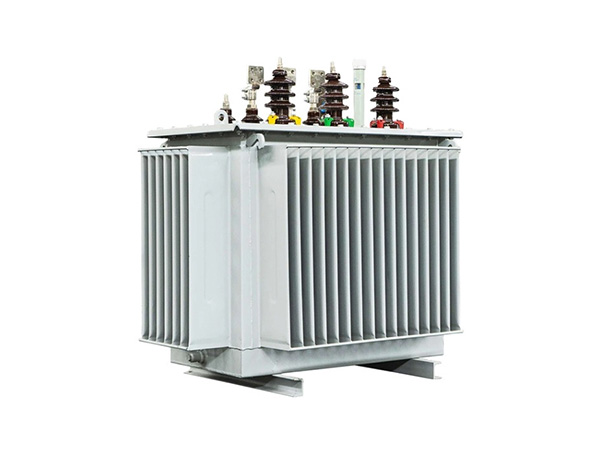
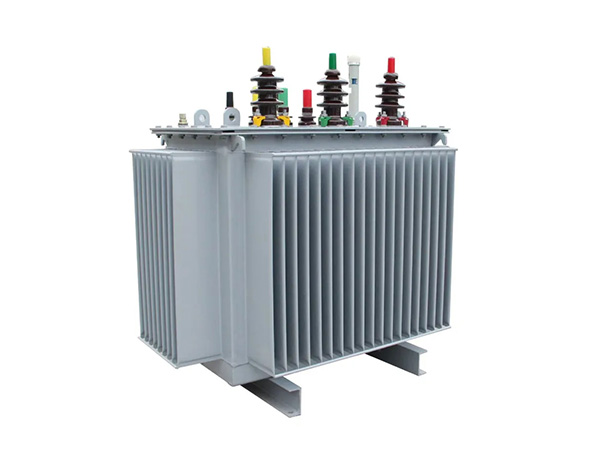
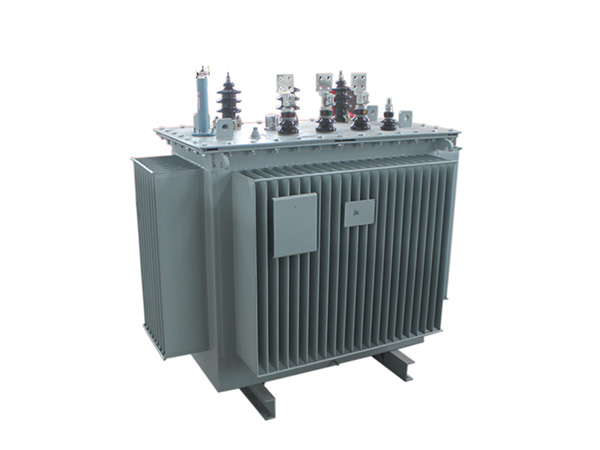
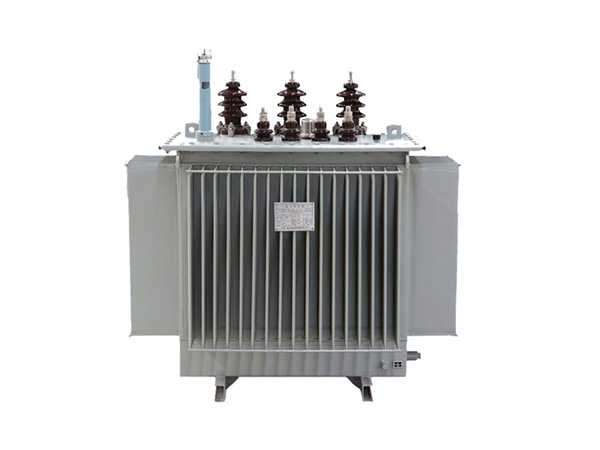
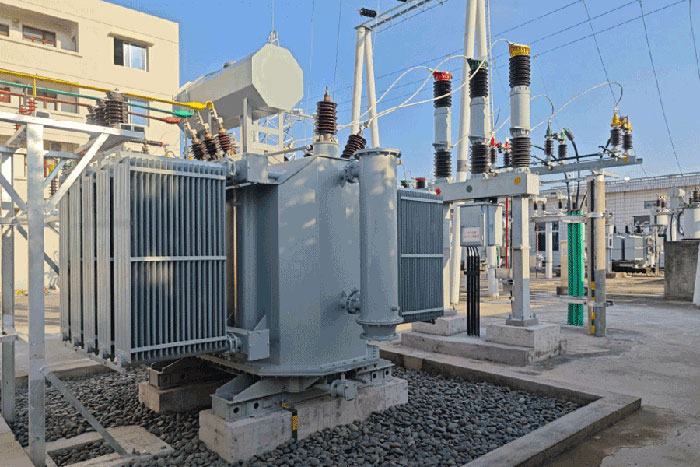
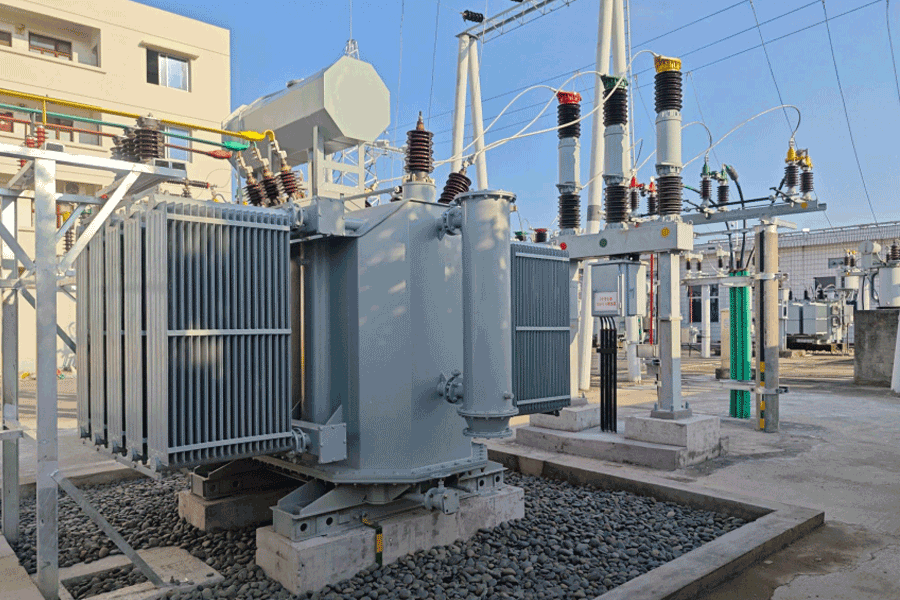
Oil immersed transformer remains the dominant preferred equipment for conventional outdoor open-air substations worldwide, widely adopted for rural grid substations, large centralized solar power booster stations, wind farm outdoor switchyards and municipal overhead distribution substations. Its unique advantages in heat dissipation performance, manufacturing cost, environmental tolerance and unit large-capacity manufacturing decide its irreplaceable position in outdoor layout, while dry-type transformers mostly serve indoor confined scenarios unless customized into expensive IP54 weatherproof version. Multiple practical engineering factors push global electrical designers to prioritize oil-filled equipment in standard outdoor substation planning under IEC and ANSI design specifications.
Superior liquid-circulation heat dissipation is the core technical merit suitable for open outdoor working conditions. Mineral transformer oil acts as both insulating medium and efficient heat transfer carrier inside oil immersed transformer; heat generated by core and windings during full-load operation is quickly absorbed by surrounding oil, then delivered outwards to corrugated tank walls and external radiator groups for natural air cooling. Two mainstream cooling types including ONAN natural oil circulation and ONAF forced air cooling can flexibly match different capacity grades. In open outdoor environments with smooth cross ventilation all around, radiators fully contact natural ambient air to achieve stable long-time heat emission, enabling oil immersed transformers to run continuously at rated load even under extreme high-temperature summer sunlight exposure. By contrast, dry-type transformers rely entirely on air convection cooling and require larger cabinet layout; their cooling efficiency drops obviously under intense outdoor high temperature, and forced fan operation increases extra power consumption and later failure risk.
Remarkable cost advantage becomes the key economic factor for large-scale outdoor substation construction. At the same kVA specification, conventional corrugated tank oil immersed transformer has far lower raw material and processing cost than cast resin dry-type transformer. Large-capacity outdoor substations often configure multiple high-capacity main transformers ranging from several MVA to dozens of MVA; selecting oil-type products can cut total equipment procurement investment by 15%~30% compared with dry alternatives. Meanwhile, outdoor substations own sufficient idle surrounding space to build standard oil containment pits and fire isolation buffer zones required for oil transformers, avoiding huge additional civil transformation expenses which are impossible to realize inside compact indoor transformer rooms. Comprehensive input of equipment plus civil engineering makes oil immersed scheme more cost-effective for outdoor centralized layout.
Strong adaptability against harsh outdoor climate expands its applicable boundary. Hermetically sealed corrugated tank oil immersed transformer adopts fully closed tank structure with anti-rust and anti-corrosion outer coating, resisting drastic temperature fluctuation, long-time ultraviolet radiation, sandstorm erosion and seasonal freezing in alpine or desert outdoor sites. Customized low-temperature transformer oil can prevent oil solidification under minus 30℃ ultra-low ambient environment, and anti-salt fog coating treatment enables stable running in coastal open substations affected by sea breeze corrosion. Standard indoor dry transformers without sealed waterproof cabinet will fail rapidly from rain soaking and dew condensation if directly placed outdoors, while upgrading dry units into outdoor weatherproof model greatly lifts purchase price and weakens its cost competitiveness against oil products.
Flexible large-capacity production and convenient field maintenance further consolidate its outdoor application status. Oil immersed technology is mature for ultra-large single-unit capacity production that dry-type products hardly match, perfectly fitting main transformer configuration for high-voltage outdoor hub substations. In open outdoor yards, maintenance teams have spacious working space to implement periodic oil sampling, oil filtration and component overhaul without narrow-space construction restrictions faced in indoor dry transformer maintenance.
All above comprehensive merits make oil immersed transformer the mainstream selection for various standard outdoor substations globally.
APA 7th
Gomez, L., & Ruiz, J. (2022). Feasibility analysis of oil-immersed transformers applied in open-air outdoor distribution substations. Electric Power Systems Research, 211, 108217.
MLA 9th
Gomez, Luis, and Javier Ruiz. "Feasibility Analysis of Oil-Immersed Transformers Applied in Open-Air Outdoor Distribution Substations." Electric Power Systems Research, vol.211, 2022, p.108217,
GB/T 7714-2015
GOMEZ L, RUIZ J. Feasibility analysis of oil-immersed transformers applied in open-air outdoor distribution substations[J]. Electric Power Systems Research,2022,211:108217.
MORE
-
Transformer Components Most Likely to Require Replacement
2026-07-24
-
Signs Your Transformer Oil Level Indicator Needs Replacement
2026-07-11
-
dry-type-transformers-for-commercial-buildings
2026-07-11
-
DIN Standard Porcelain Bushings: Features and Benefits
2026-07-11
-
Copper vs Aluminum Terminal Studs for Transformers
2026-07-11