





Is oil immersed transformer allowed to install near residential buildings?
Time:2026-06-05 22:36:54 Author:zhongbei Click:177
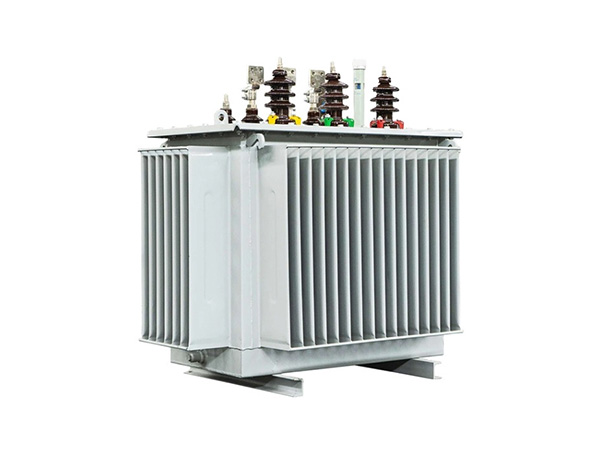
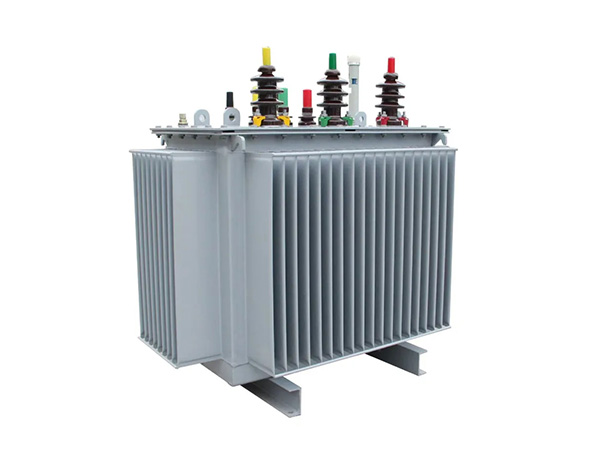
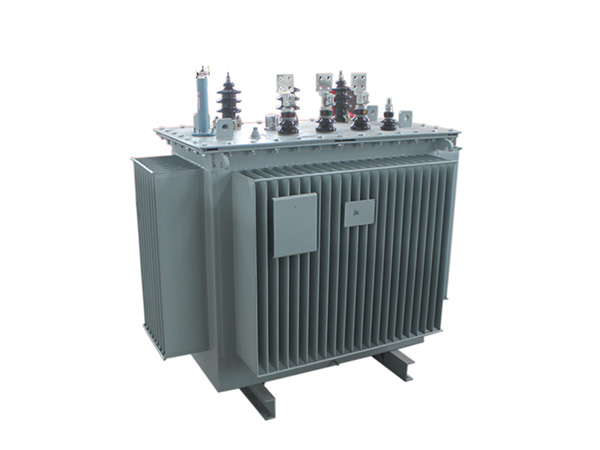
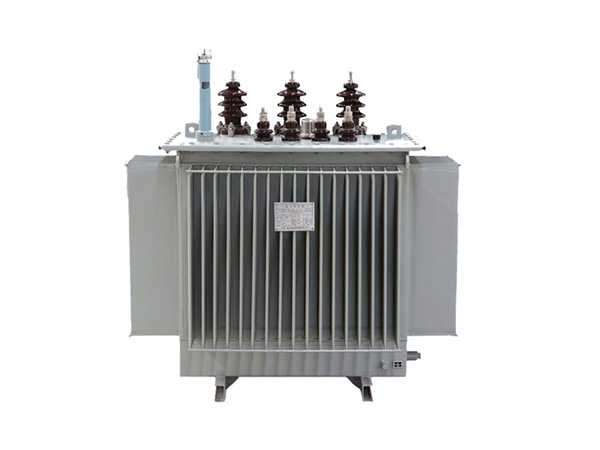
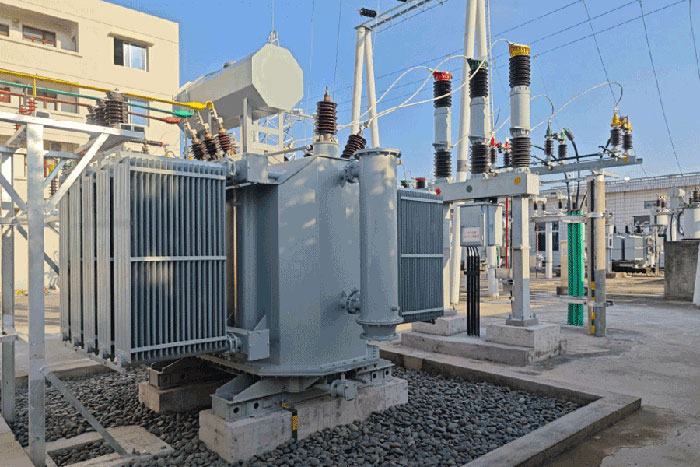
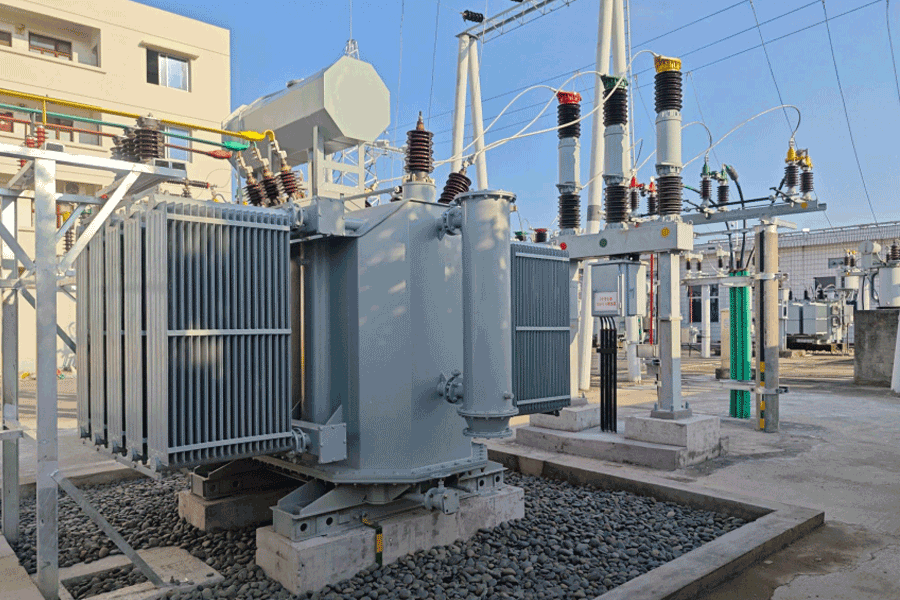
Oil immersed transformers can be installed close to residential buildings after following local electrical codes, fire protection specifications and implementing standardized safety configurations, while conventional non-modified ordinary oil transformers are restricted from compact close-range residential layout in most cities worldwide regulated by IEC and NFPA, IEEE related clauses. Permission is determined by transformer capacity, oil storage volume, enclosure type, fireproof improvement and safety separation distance, with pad-mounted sealed oil transformers becoming the mainstream approved model for community peripheral residential power distribution in urban and suburban areas.
Fire containment is the core regulatory restriction for residential adjacent installation, as mineral insulating oil is flammable and leakage may trigger fire hazards. Conventional open-type oil immersed transformers with large oil tank over 1000L are prohibited within 10 meters of dense residential houses in most municipal codes; if forced to arrange nearby, dedicated fire containment trench, oil collection pit and fire isolation wall must be constructed to trap leaked transformer oil and block flame spread. In contrast, hermetically sealed compact pad-mounted oil immersed transformers with small internal oil volume and fully enclosed metal cabinet obtain relaxed installation standards. Many urban construction codes permit such sealed units to be placed 2.5m to 5m away from residential outer walls after factory fireproof upgrading, widely used for community block power supply and distributed rooftop supporting PV substations beside residential districts.
Running noise control is another essential approval condition for residential surrounding deployment. Ordinary non-optimized silicon steel core oil transformers produce obvious low-frequency vibration noise which disturbs residents’ daily rest, so they are forbidden near bedroom-facing building facades without noise reduction treatment. Modern amorphous core oil immersed transformers with optimized wound core structure lower operational noise below 50dB(A); adding rubber vibration isolators under equipment base and noise insulation enclosure can further reduce noise value to meet residential ambient noise standard, satisfying environmental acceptance requirements for nearby residential installation.
Anti-leakage and environmental protection upgrades expand its applicable range beside living areas. Residential-near approved oil immersed units adopt anti-corrosion fully welded corrugated tank and high-grade aging-resistant sealing rubber to drastically lower long-term oil leakage probability; partial environmentally friendly types fill FR3 biodegradable ester oil instead of traditional mineral oil. Ester oil features high flash point and non-toxic characteristic, even accidental leakage will not cause soil and underground water pollution, greatly lifting fire safety and environmental compliance to pass residential zone regulatory examination. Meanwhile, cabinet surface adopts anti-ultraviolet anticorrosive coating to avoid rust and oil seepage caused by long-term outdoor wind and rain erosion beside residential buildings.
Capacity classification sets clear boundary of installation permission. Small and medium distribution oil transformers below 1000kVA commonly get residential adjacent installation qualification after safety transformation; large-capacity main oil transformers over 2500kVA with massive oil reserves must be arranged in independent centralized outdoor substations far away from residential clusters according to fire laws, unable to be placed near dense housing areas.
In conclusion, properly optimized sealed small&medium oil immersed transformers comply with fire, noise and environmental standards and are legally permitted near residential buildings, while unmodified large-capacity open oil transformers cannot be installed close to living communities.
APA 7th
Fernandez, C., & Costa, L. (2022). Code compliance research on oil-immersed distribution transformers installed adjacent to residential districts. Journal of Safety Science, 150, 105687.
MLA 9th
Fernandez, Carlos, and Luis Costa. "Code Compliance Research on Oil-Immersed Distribution Transformers Installed Adjacent to Residential Districts." Journal of Safety Science, vol.150, 2022, p.105687,
GB/T 7714-2015
FERNANDEZ C, COSTA L. Code compliance research on oil-immersed distribution transformers installed adjacent to residential districts[J]. Journal of Safety Science,2022,150:105687.
MORE
-
Transformer Components Most Likely to Require Replacement
2026-07-24
-
Signs Your Transformer Oil Level Indicator Needs Replacement
2026-07-11
-
dry-type-transformers-for-commercial-buildings
2026-07-11
-
DIN Standard Porcelain Bushings: Features and Benefits
2026-07-11
-
Copper vs Aluminum Terminal Studs for Transformers
2026-07-11